




PM Modi Launches Mission to Map 100 Human Brains
Mon 12 Oct 2026, 11:03:51
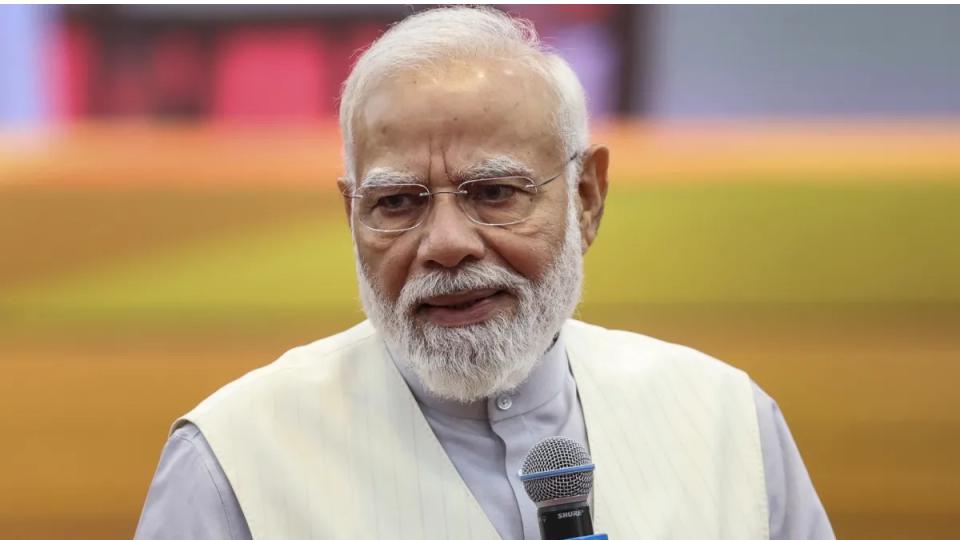
Prime Minister Narendra Modi dedicated the Sudha Gopalakrishnan Brain Centre at Indian Institute of Technology Madras (IIT-M) to the nation, launched a global mission to map more than 100 human brains at cellular resolution and released a specialised atlas of stroke-affected brain tissue, marking a major expansion of the institute’s neuroscience research programme.
The initiative aims to build detailed three-dimensional maps of the human brain across the lifespan, from the foetal stage to old age, providing researchers with insights into its cellular architecture and potentially advancing investigations into neurological
disorders.
disorders.
Modi also released C-Stroke, described as a first-of-its-kind human ischaemic stroke atlas. Containing more than 1,000 annotated microscopic sections from a stroke-affected brain, the resource is expected to help researchers examine tissue damage, identify potential therapeutic targets and improve understanding of the condition.
Ischaemic stroke occurs when a blood clot or other blockage interrupts blood supply to part of the brain, causing damage to brain tissue. The atlas offers researchers a detailed anatomical resource to investigate the changes associated with the condition and explore potential avenues for treatment.
No Comments For This Post, Be first to write a Comment.
Most viewed from National








Most viewed from World



.jpg)






Todays Epaper

English Weekly


AIMIM News



Latest Urdu News
Most Viewed
Aug 02, 2026
Should UPI payments remain completely free for all transactions?
Like Us
Home
About Us
Advertise With Us
All Polls
Epaper Archives
Privacy Policy
Contact Us
Download Etemaad App
© 2026 Etemaad Daily News, All Rights Reserved.