




PM Modi lauded Budget 2026, pushes for defence modernisation
Mon 16 Feb 2026, 01:46:17
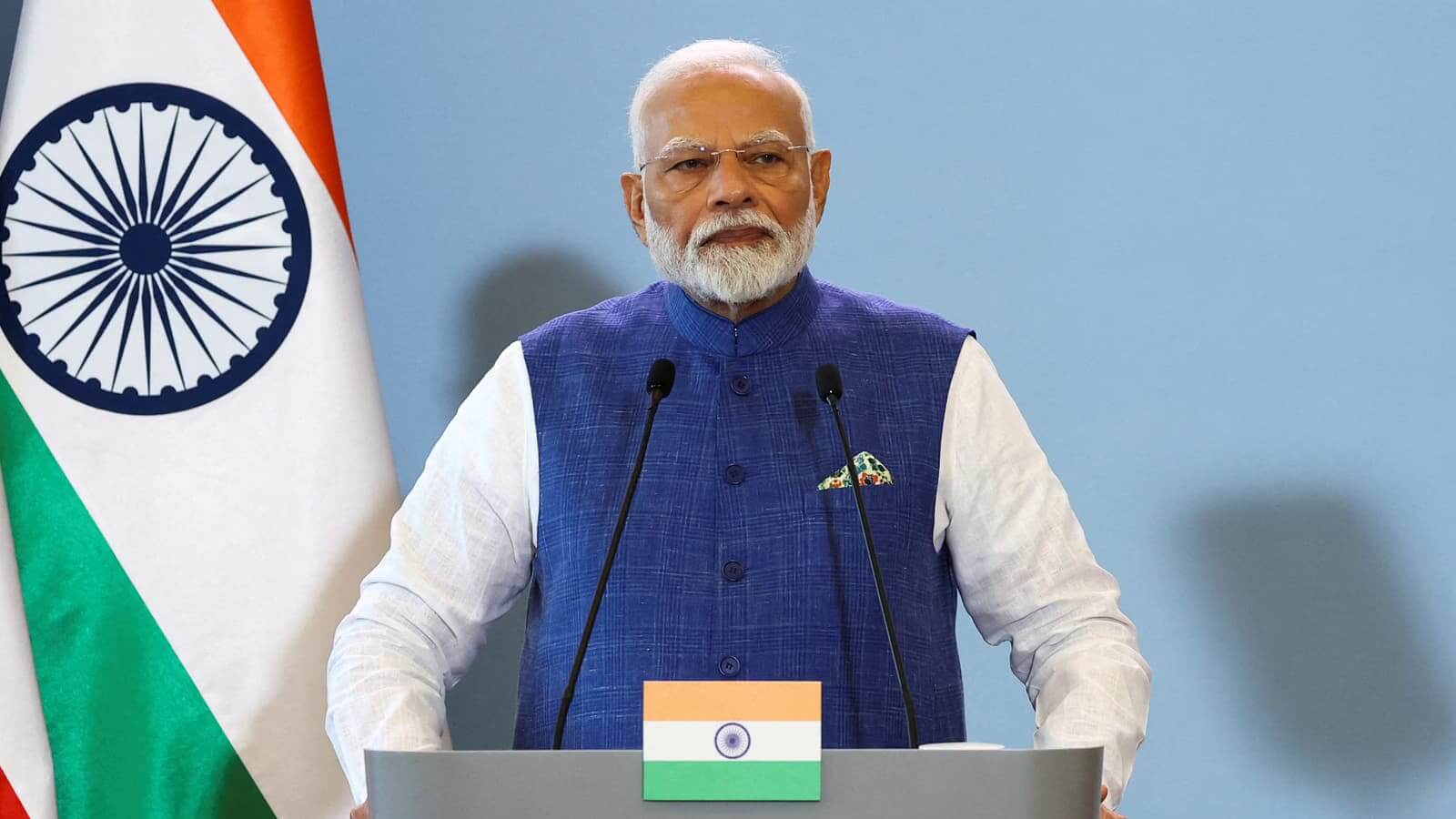
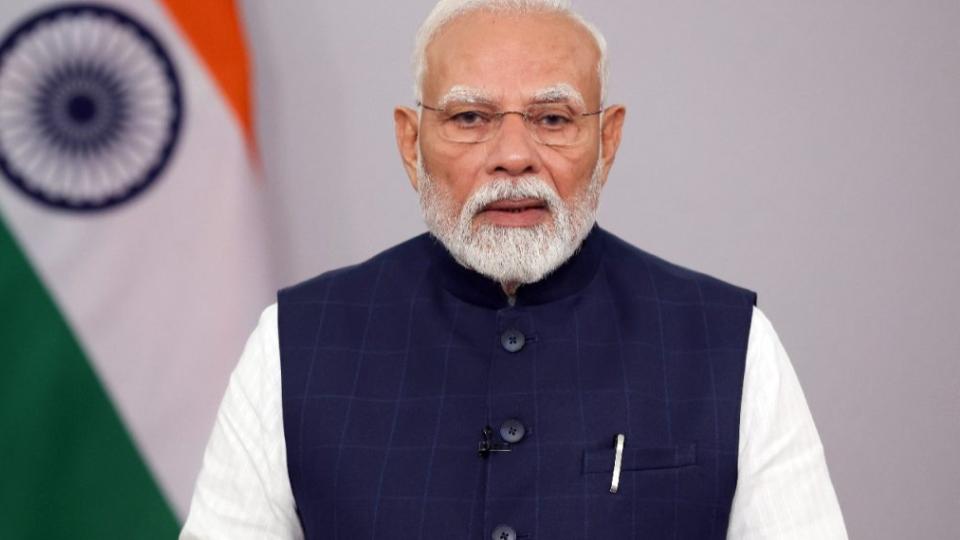
Prime Minister Narendra Modi on Sunday underlined the need for comprehensive defence modernisation, asserting that the government has a duty to strengthen the armed forces in line with "current realities," as reflected in the increased allocation in the Union Budget 2026.
In an interview with news agency PTI, PM Modi said this year’s Budget signals India’s preparedness to transition into a developed nation.
As per Budget 2026, the government announced a massive increase in defence spending, raising the overall defence budget to Rs 7.85 lakh crore for the current financial year, up from Rs 6.81 lakh crore in the previous year – a hike of nearly 15%.
A major highlight was the sharp rise in defence capital expenditure, which has increased by 28% to Rs 2.31 lakh crore, compared to Rs 1.80 lakh crore allocated last year.
The higher capital allocation underscores the government’s emphasis on procuring advanced weapon systems and strengthening indigenous defence manufacturing.
In January, India approved a Rs 3.25 lakh crore agreement with France to procure 114 Rafale fighter jets, marking one of the largest combat aircraft acquisitions in the country’s history.
Emphasising the government’s commitment to national security, the PM stated that it will "do whatever it takes to support the country's defence forces and strengthen them".
He added that modernisation of the defence sector is essential to ensure readiness amid evolving geopolitical and security challenges.
As per government data, total defence expenditure has increased from Rs 2.94 lakh crore in 2015–16 to Rs 7.85 lakh crore in
2025-26.
2025-26.
Defence capital expenditure, which funds modernisation, has also grown in absolute terms – from Rs 83,614 crore in 2015-16 to Rs 2.31 lakh crore in 2025-26.
On economic policy, PM Modi said stronger manufacturing, services and MSMEs have enabled India to negotiate Free Trade Agreements (FTAs) from a position of strength with 38 nations.
"Our FTAs are designed to expand market access for MSMEs in textile, leather, chemicals, handicrafts, gems and other sectors," he said.
Taking a swipe at the previous UPA government, the prime minister alleged that economic mismanagement had weakened India’s negotiating capacity.
"During UPA rule, talks would begin and then break down; little real substance was achieved despite long negotiations," he said.
Calling reform a core commitment of his government, PM Modi said the private sector will be critical in driving the next phase of economic transformation.
He urged industry leaders to focus less on protecting margins and invest aggressively in research and development, supply chains and quality.
"The next leap to Viksit Bharat will depend on bold investment by the private sector in innovation, long-term capacity and global competitiveness," he said, adding that productivity gains must be shared fairly with workers.
Highlighting India’s digital progress, the PM described the country as a global leader, enabled by reforms such as the UPI platform.
He said India is laying the foundation for a thriving AI ecosystem by expanding computing power and data centre infrastructure, which he termed a "massive job creator" for the young workforce.
No Comments For This Post, Be first to write a Comment.
Most viewed from National



Most viewed from World




Todays Epaper
English Weekly


AIMIM News



Latest Urdu News
Most Viewed
May 26, 2020
Which cricket team is your favourite to win the T20 World Cup 2026?
Latest Videos View All
.jpg)
.jpg)
.jpg)

Like Us
Home
About Us
Advertise With Us
All Polls
Epaper Archives
Privacy Policy
Contact Us
Download Etemaad App
© 2026 Etemaad Daily News, All Rights Reserved.