




Pakistan announces 6 new land routes to Iran amid Hormuz blockade, double crosses US
Fri 01 May 2026, 01:50:07
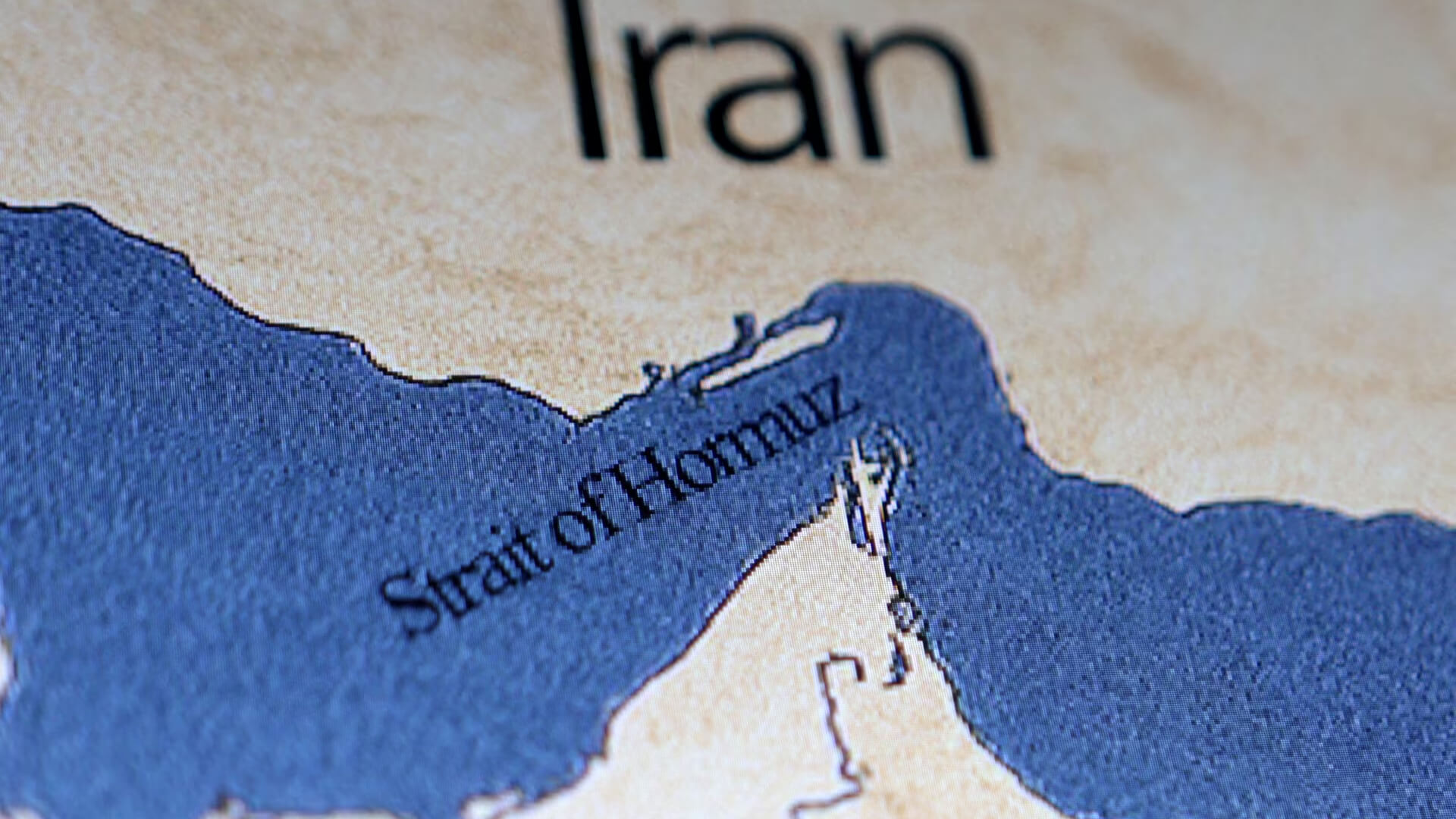
In a significant geopolitical pivot, Pakistan on Thursday opened six land routes to Iran, bypassing the Strait of Hormuz blockade. This move facilitates the flow of Iranian goods into the region, directly undermining US sanctions and complicating the Washington-Tehran standoff. By providing this strategic lifeline, Islamabad risks a severe diplomatic rift with the US, signalling a tactical shift towards regional alliances and Iranian energy dependence.
The emergency measure, which was announced by the Ministry of Commerce through the “Transit of Goods through Territory of Pakistan Order 2026,” follows a weeks-long naval standoff in the Strait of Hormuz that has left many shipping containers stranded at Pakistani ports.
The order from Pakistan, which took effect on April 25, will ease the logjam at Karachi Port and Port Qasim, where more than 3,000
Iran-bound containers have been stuck due to the ongoing US naval blockade of Iranian ports and the closure of the Strait.
Iran-bound containers have been stuck due to the ongoing US naval blockade of Iranian ports and the closure of the Strait.
Now the new designated routes will create a land bridge between Pakistan’s deep-sea ports and the Iranian border, offering a lifeline for third-country goods that can no longer reach Iran by sea.
Six designated transit routes include:
. Gwadar to Gabd: The shortest route, expected to reduce transit time by up to 87 per cent.
. Karachi/Port Qasim – Lyari – Ormara – Pasni – Gabd
. Karachi/Port Qasim – Khuzdar – Dalbandin – Taftan
. Gwadar – Turbat – Panjgur – Quetta – Taftan
. Gwadar – Lyari – Khuzdar – Quetta – Taftan
. Karachi/Port Qasim – Gwadar – Gabd
No Comments For This Post, Be first to write a Comment.
Most viewed from National





Most viewed from World

.jpg)






Todays Epaper

English Weekly


AIMIM News







Latest Urdu News
Most Viewed
May 26, 2020
Which cricket teams will reach the IPL 2026 finals?
Latest Videos View All
.jpg)
.jpg)
.jpg)

Like Us
Home
About Us
Advertise With Us
All Polls
Epaper Archives
Privacy Policy
Contact Us
Download Etemaad App
© 2026 Etemaad Daily News, All Rights Reserved.