




Nepal Pushes For Billions to Help Disaster Survivors At COP31
Tue 17 Nov 2026, 17:15:10
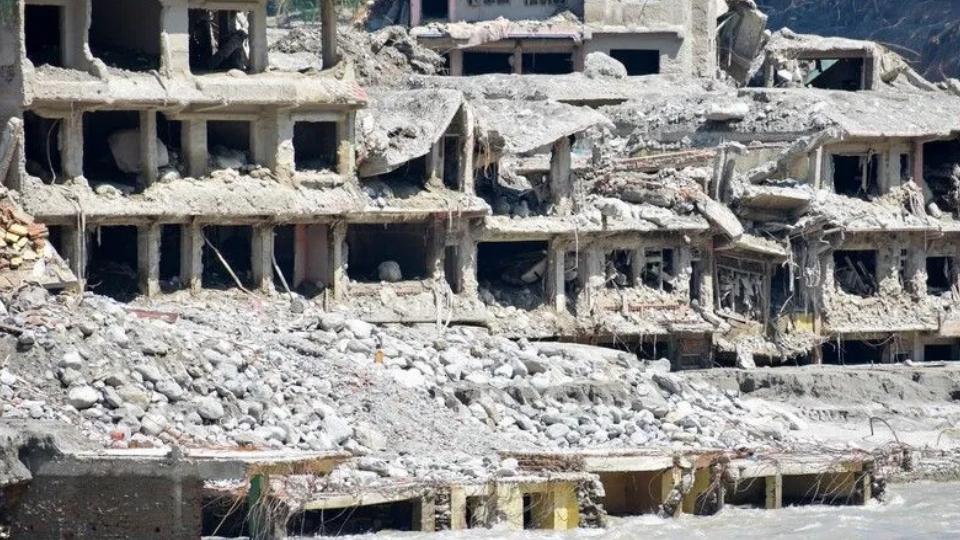
Villagers whose families prayed for generations at a local temple now gather around the mound of dirt where it once stood, unsure whether it will ever be rebuilt. Farmers who once grew rice to feed their families and earn a living now sit in makeshift shelters, wondering if they’ll ever own land again.
In Nuwakot and surrounding areas of Nepal, where deadly floods in August washed away entire villages and left thousands dead or missing, life has ground to a halt.
Along the Trishuli River, power lines, solar panels, cars and homes
remain partially buried in the mud, while broken bridges leave communities cut off from neighboring towns. Survivors sleep in makeshift metal shelters, relying on donations for drinking water and food as they wait to see how, where and when they can get back on their feet.
remain partially buried in the mud, while broken bridges leave communities cut off from neighboring towns. Survivors sleep in makeshift metal shelters, relying on donations for drinking water and food as they wait to see how, where and when they can get back on their feet.
“God knows how long we will have to stay here," 45-year-old Lakchin Bahadhur Tamang, a hydropower plant worker, told The Associated Press on a recent morning. “I fear that once these aid organizations and helping hands leave, we will be left helpless, without even enough drinking water.”
No Comments For This Post, Be first to write a Comment.
Most viewed from National






Most viewed from World






Todays Epaper

English Weekly


AIMIM News




Latest Urdu News
Most Viewed
Aug 02, 2026
Should the government impose stricter measures to control air pollution in Indian cities?
Like Us
Home
About Us
Advertise With Us
All Polls
Epaper Archives
Privacy Policy
Contact Us
Download Etemaad App
© 2026 Etemaad Daily News, All Rights Reserved.