




Nasa to launch four astronauts on a round-trip to the Moon on March 6
Sat 21 Feb 2026, 02:02:35
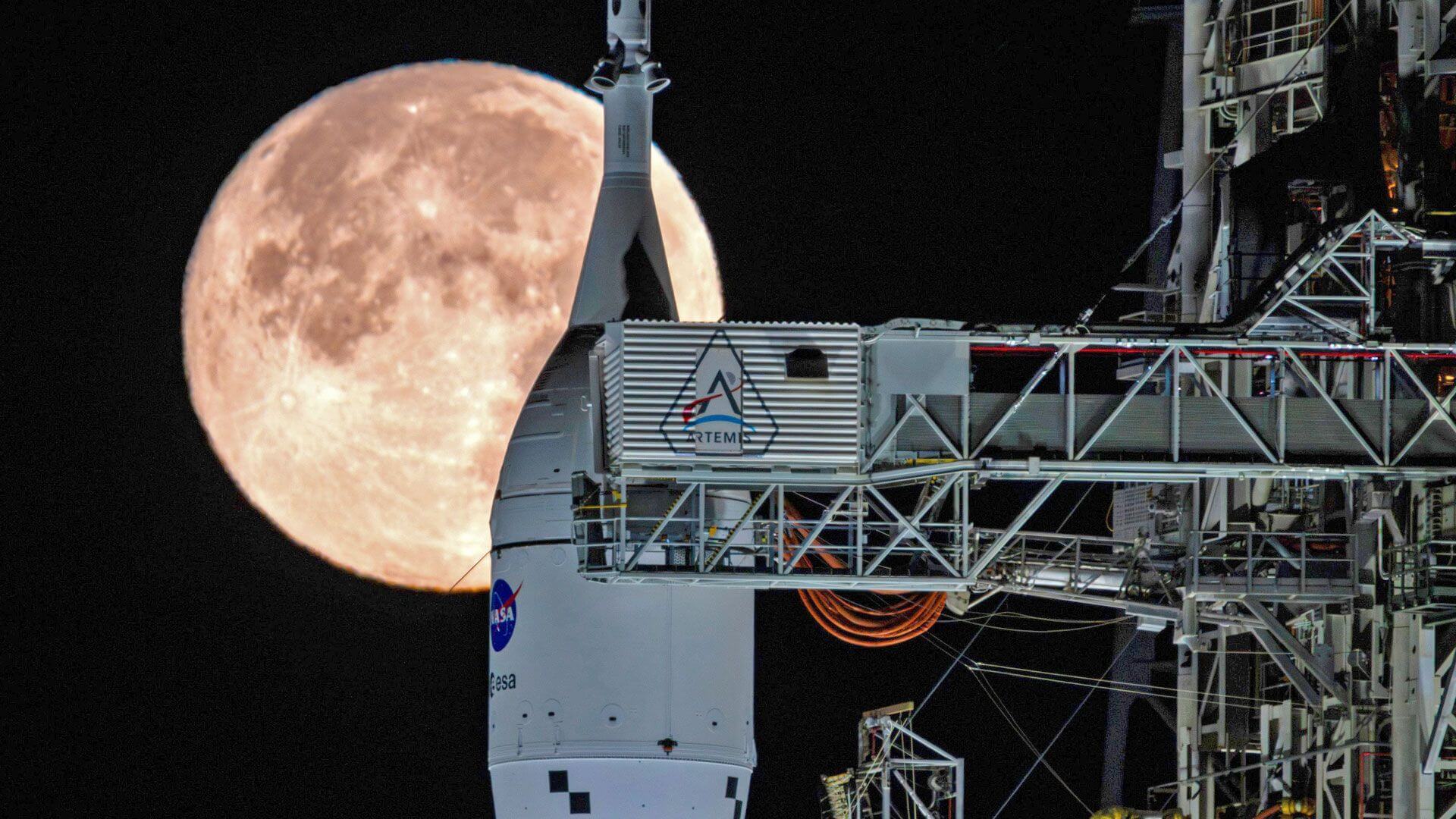
The United States is set to take a major step back toward the Moon. Nasa has confirmed that it is targeting March 6, 2026, for the launch of its next crewed lunar mission after completing a crucial wet dress rehearsal and resolving earlier fuel leaks detected during testing.
The wet dress rehearsal, a full-scale practice countdown that includes loading the rocket with super-cold propellants, was completed successfully this week. Engineers had previously identified hydrogen leaks during the first wet test, prompting a delay and an extensive technical review.
According to Nasa officials, those leaks have now been fixed, and the latest test showed no recurrence of the issue.
“The wet test went successfully, and we were able to address the leaks observed during the first attempt,” Nasa said in a statement. “We will now move into an extensive review process and comb through every system of the Space Launch System rocket before certification.”
The Space Launch System (SLS), the most powerful rocket ever built by Nasa, will carry astronauts aboard the Orion
spacecraft on a mission designed to pave the way for a sustained human presence on the Moon. The upcoming launch marks another milestone in the agency’s long-term lunar exploration plans.
spacecraft on a mission designed to pave the way for a sustained human presence on the Moon. The upcoming launch marks another milestone in the agency’s long-term lunar exploration plans.
A formal Flight Readiness Review (FRR) is scheduled to take place by the end of next week. During the FRR, mission managers, engineers and safety officials will evaluate data from the wet dress rehearsal and other system tests before giving final clearance for liftoff.
Nasa emphasised that safety remains the top priority. Teams will conduct an extensive certification process, carefully reviewing propulsion, avionics, life-support systems, and ground operations to ensure the vehicle is fully ready for flight.
Meanwhile, the astronaut crew is expected to enter a “soft quarantine” shortly. This standard precaution limits exposure to illnesses and ensures the crew is in peak health ahead of the mission.
If all reviews proceed as planned, March 6 could mark a historic return of astronauts to deep space, signalling that the path back to the lunar surface is firmly on track.
No Comments For This Post, Be first to write a Comment.
Most viewed from National












Most viewed from World
.jpg)












Todays Epaper

English Weekly


AIMIM News








Latest Urdu News
Most Viewed
May 26, 2020
Which cricket teams will reach the IPL 2026 finals?
Latest Videos View All
.jpg)
.jpg)
.jpg)



Like Us
Home
About Us
Advertise With Us
All Polls
Epaper Archives
Privacy Policy
Contact Us
Download Etemaad App
© 2026 Etemaad Daily News, All Rights Reserved.