




Lok Sabha passes 'SHANTI Bill' to open nuclear sector
Thu 18 Dec 2025, 02:10:36
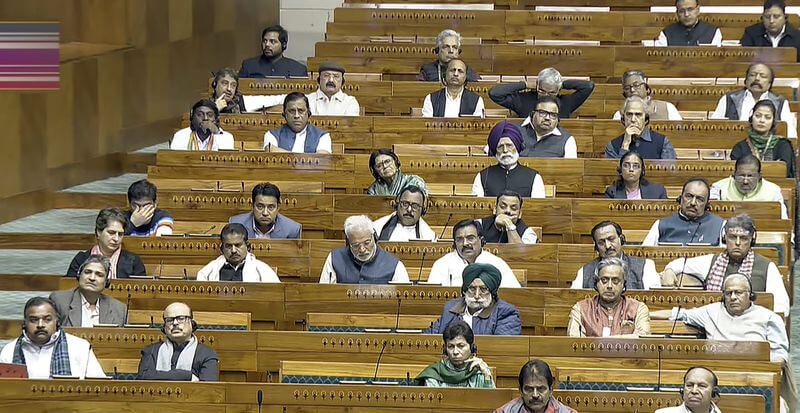
The Lok Sabha on Wednesday passed the Sustainable Harnessing and Advancement of Nuclear Energy for Transforming India (SHANTI) Bill 2025, marking a major reform in the country's nuclear energy framework. The legislation aims to promote the safe, regulated and expanded use of nuclear power as part of India's long-term development strategy. The bill was tabled on Monday by Minister of State for Science and Technology Dr Jitendra Singh. It seeks to open the nuclear power sector to greater participation from the private sector, including both Indian and foreign players - a move expected to accelerate investment and innovation in the field.
Widely described as the most
significant overhaul of the nuclear sector since Independence, the SHANTI Bill proposes repealing the Atomic Energy Act, 1962, and the Civil Liability for Nuclear Damage Act, 2010. These laws have governed the sector for decades and were often cited as barriers to large-scale private participation.
significant overhaul of the nuclear sector since Independence, the SHANTI Bill proposes repealing the Atomic Energy Act, 1962, and the Civil Liability for Nuclear Damage Act, 2010. These laws have governed the sector for decades and were often cited as barriers to large-scale private participation.
Speaking during the discussion in the Lok Sabha, Dr Jitendra Singh said the legislation would reshape India's developmental path. "The proposed legislation further aims to facilitate significant growth in nuclear energy and its applications across multiple sectors. This aligns with country’s target to establish 100GW of nuclear power capacity by 2047," he said.
No Comments For This Post, Be first to write a Comment.
Most viewed from National









Most viewed from World












Todays Epaper

English Weekly


AIMIM News








Latest Urdu News
Most Viewed
May 26, 2020
Which cricket teams will reach the IPL 2026 finals?
Latest Videos View All
.jpg)
.jpg)
.jpg)


Like Us
Home
About Us
Advertise With Us
All Polls
Epaper Archives
Privacy Policy
Contact Us
Download Etemaad App
© 2026 Etemaad Daily News, All Rights Reserved.