




Centre Govt 'WhatsApp Web Sessions Can Expose Accounts to Cybercriminals'
Mon 23 Nov 2026, 18:18:53
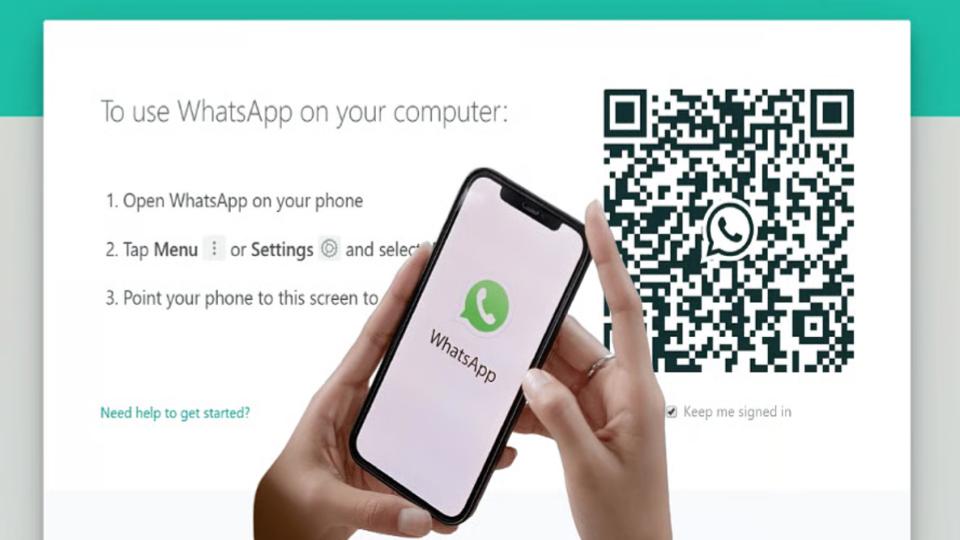
A WhatsApp Web session left logged in on a public computer or a shared device could become a gateway for cybercriminals to hijack accounts, read private conversations and impersonate users to carry out fraud, a latest advisory from the Union Home Ministry's anti-cybercrime wing, I4C, warned on Monday.
The National Cybercrime Threat Analytics Unit (NCTAU) of the Indian Cyber Crime Coordination Centre (I4C) has warned that authenticated WhatsApp Web sessions could be used to gain unauthorised access, allowing malicious actors to read messages, send communications while impersonating the account holder, access contact lists and group conversations, and exploit the user's
trusted identity to carry out fraud, phishing and social-engineering attacks.
It advised users that simply closing a browser window or a tab is not enough to end an authenticated session, and that they must manually log out after each session.
"Users are therefore advised to exercise caution while using WhatsApp Web, particularly on office computers, shared systems, public computers or devices that may be accessible to other persons. Avoid official or sensitive work on WhatsApp Web. Government, organisational, financial, confidential or other sensitive information should preferably not be exchanged through WhatsApp Web sessions on computers," it said.
No Comments For This Post, Be first to write a Comment.
Most viewed from National










Most viewed from World











Todays Epaper

English Weekly


AIMIM News




Latest Urdu News
Most Viewed
Aug 02, 2026
Should the government impose stricter measures to control air pollution in Indian cities?
Like Us
Home
About Us
Advertise With Us
All Polls
Epaper Archives
Privacy Policy
Contact Us
Download Etemaad App
© 2026 Etemaad Daily News, All Rights Reserved.