




United States Unveils New Green Card Rules, Effective Sept 18
Wed 19 Aug 2026, 13:31:17
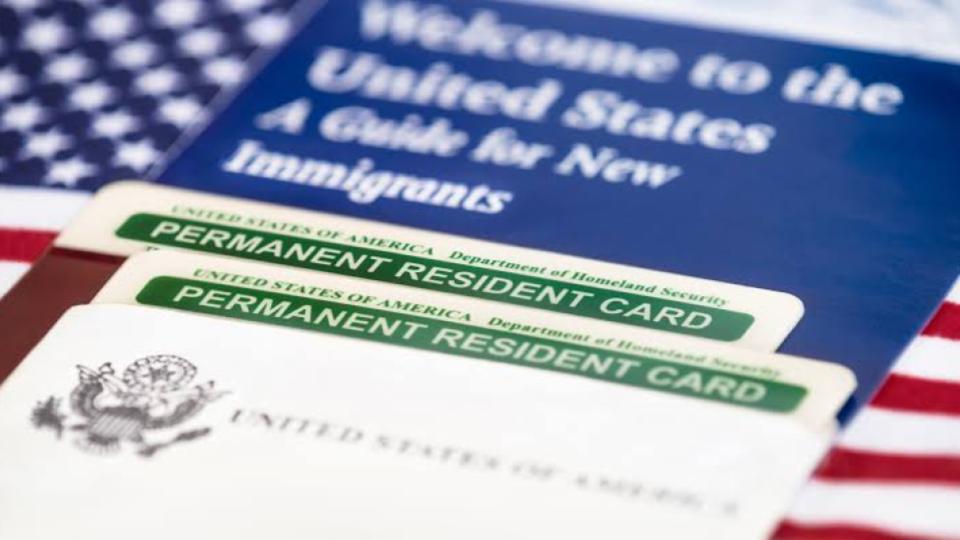
The U.S. Citizenship and Immigration Services (USCIS) has rolled out updated guidance in its Policy Manual, spelling out how the agency will assess whether green card applicants are likely to become a "public charge" — a key factor in permanent residency decisions.
The move follows a Department of Homeland Security rule announced on July 16, 2026, that formally rescinds the Biden administration's 2022 public charge regulations. The rule takes effect September 18, 2026, and USCIS says it reflects congressional intent that immigrants in the U.S. remain self-sufficient rather than reliant on taxpayer-funded benefits.
Under the new guidance, all applicants seeking to adjust their status to lawful permanent resident fall under the public charge inadmissibility ground — unless their specific immigration category is exempt. USCIS has laid out full lists of who is subject to the rule and who
is excluded.
is excluded.
The Immigration and Nationality Act doesn't define "public charge" outright, but it requires officers to weigh five statutory factors: an applicant's age, health, family status, financial resources, and education/skills. Officers may also factor in a sponsor's Form I-864 Affidavit of Support.
Beyond those core factors, USCIS will also look at whether an applicant has received means-tested public benefits — things like cash assistance, housing aid, food stamps, or college financial aid. Notably, the rule draws a line in time: benefits received before September 18, 2026 will only count if they were cash assistance for income maintenance or long-term institutionalization at government expense.
Benefits received on or after that date, however, will all be fair game for consideration. Each case will be judged individually based on the totality of circumstances.
No Comments For This Post, Be first to write a Comment.
Most viewed from International










Most viewed from World







Todays Epaper

English Weekly


AIMIM News



Latest Urdu News
Most Viewed
Aug 02, 2026
Should UPI payments remain completely free for all transactions?
Like Us
Home
About Us
Advertise With Us
All Polls
Epaper Archives
Privacy Policy
Contact Us
Download Etemaad App
© 2026 Etemaad Daily News, All Rights Reserved.