




UAE announces to exits oil production groups OPEC, OPEC+ amid global energy crisis
Wed 29 Apr 2026, 00:44:15
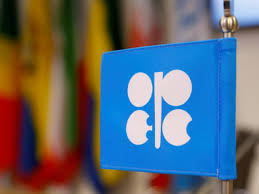
The United Arab Emirates has announced its exit from OPEC and OPEC+, marking a major shift in global energy politics at a time when conflict involving Iran has triggered a sharp and prolonged disruption in global oil supply. The UAE will leave the group effective May 1.
The decision, confirmed on Tuesday, delivers a big setback to the oil-producing alliance and its de facto leader, Saudi Arabia. The UAE, long seen as a major and reliable member, stepping away now risks weakening coordination within the bloc just when markets remain volatile and supply routes are under strain.
In a statement on X, UAE Energy Minister Suhail Al Mazrouei said, "The UAE's decision to exit OPEC aligns with sector policy-driven developments and is consistent with long-term market fundamentals."
"We express our appreciation to OPEC and
member states for decades of constructive cooperation. We reaffirm our commitment to energy security by providing reliable, responsible, and low-emission supplies, supporting global market stability," he added.
member states for decades of constructive cooperation. We reaffirm our commitment to energy security by providing reliable, responsible, and low-emission supplies, supporting global market stability," he added.
The UAE’s energy minister told news agency Reuters the move gives the country greater flexibility, as it will no longer be bound by the group’s obligations. He also said the decision was taken independently, without direct consultations with other members, including Saudi Arabia.
The UAE’s departure comes against the backdrop of an ongoing conflict in the Middle East that has disrupted oil flows and shaken investor confidence. One of the biggest concerns has been the security of the Strait of Hormuz, a narrow but crucial passage through which roughly a fifth of the world’s oil and liquefied natural gas typically moves.
No Comments For This Post, Be first to write a Comment.
Most viewed from International


.jpg)
Most viewed from World





.jpg)

Todays Epaper
English Weekly


AIMIM News






Latest Urdu News
Most Viewed
May 26, 2020
Which cricket teams will reach the IPL 2026 finals?
Latest Videos View All
.jpg)
.jpg)
.jpg)


Like Us
Home
About Us
Advertise With Us
All Polls
Epaper Archives
Privacy Policy
Contact Us
Download Etemaad App
© 2026 Etemaad Daily News, All Rights Reserved.