




Trump may ditch nuclear deal plan if Iran reopens Strait of Hormuz: Report
Mon 10 Aug 2026, 01:30:58
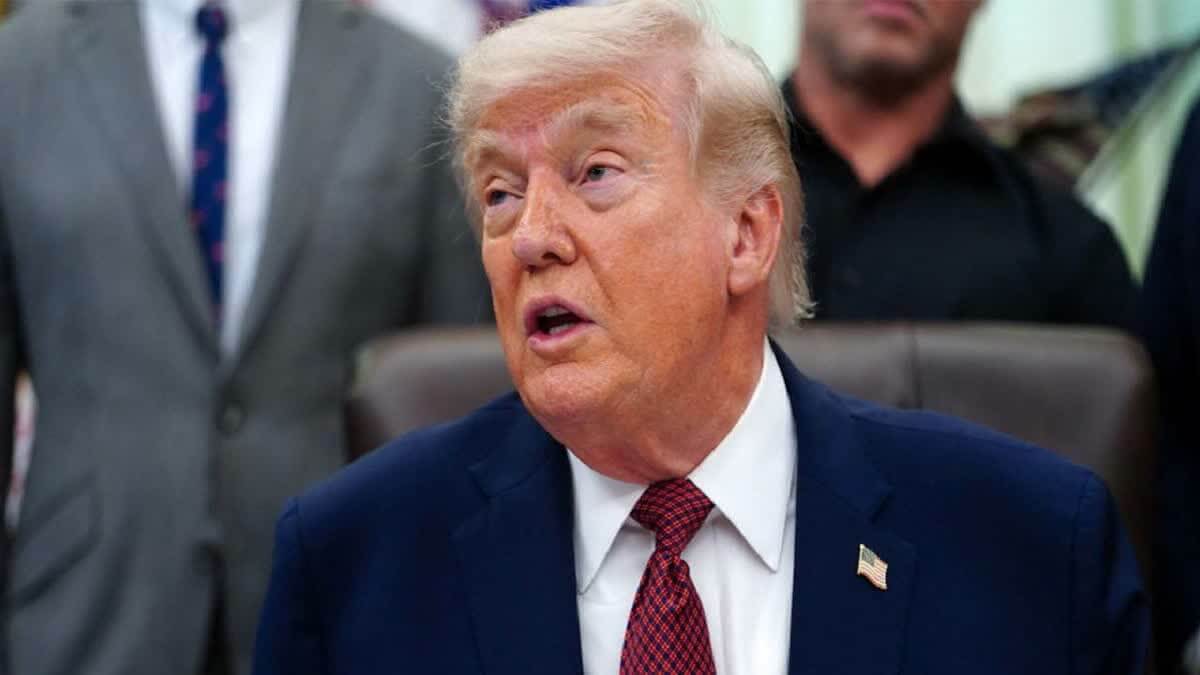
After weeks of bluster over a massive military escalation against Iran, US President Donald Trump appears to be searching for an escape hatch from a war that has proved harder to wrap up than he expected. The US President may now be willing to put aside the nuclear issue and call the conflict a victory if Tehran fully reopens the Strait of Hormuz.
According to the The Wall Street Journal, Trump has spent weeks preparing the ground for such an outcome and has privately told senior aides he could walk away without securing a nuclear deal with Tehran. That potential exit strategy, however, has become harder after Iran presented a sweeping list of demands for reopening the strait. Tehran is seeking billions of dollars in payments, an end to the US naval blockade, the withdrawal of American forces from the region and other concessions.
The series of developments have narrowed Trump's options for a face-saving end to the conflict, while raising questions that Tehran may be preparing for a prolonged confrontation rather than a quick settlement.
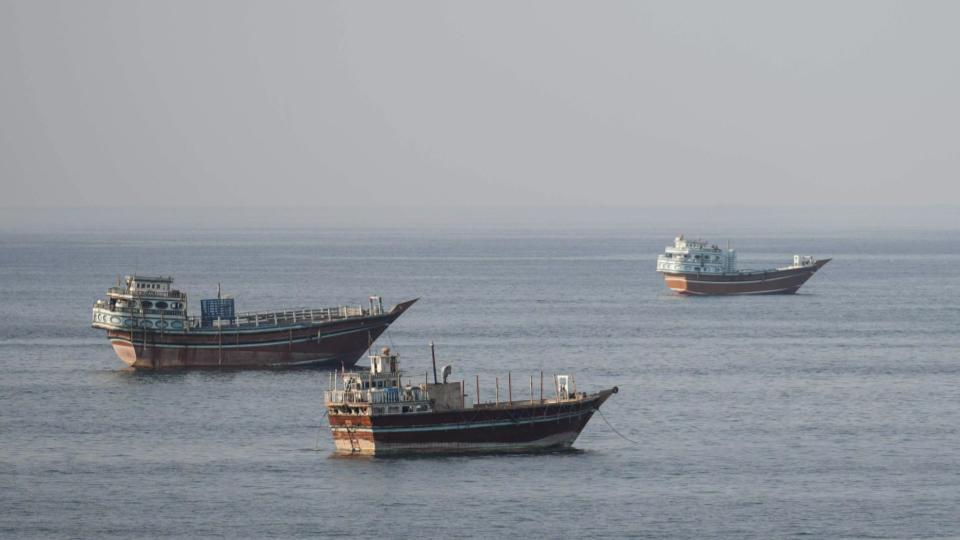
Iran's ability to restrict traffic through the narrow strait using missile and drone attacks has given Tehran considerable leverage. The disruption has slowed commercial
shipping and triggered volatility in global oil markets.
shipping and triggered volatility in global oil markets.
Trump has repeatedly said in recent weeks that the strait was fully open, but those declarations have proved premature. Tehran shut the waterway after the war began in February and has insisted that American warships and its allies should not be permitted to pass through it. Iran has also sought to collect revenue from commercial vessels using the route.
US officials said Washington has rejected both Iranian restrictions and any attempt to impose tolls on shipping.
The outlook deteriorated further over the weekend after the United Arab Emirates said Iran had launched a missile attack on one of its ships. Meanwhile, a senior Iranian official outlined a broad set of conditions for reopening the strait.
Mohammad Bagher Zolghadr, secretary of Iran's Supreme National Security Council, said the US would have to permanently end the war, lift its naval blockade, withdraw American forces, remove all sanctions, release Iran's frozen assets and pay war reparations. He also demanded an end to US threats and insults and a halt to American military action against Iran's militia allies across the region, according to Iran's state news agency IRNA.
No Comments For This Post, Be first to write a Comment.
Most viewed from International




Most viewed from World






Todays Epaper

English Weekly


AIMIM News



Latest Urdu News
Most Viewed
Aug 02, 2026
Should UPI payments remain completely free for all transactions?
Like Us
Home
About Us
Advertise With Us
All Polls
Epaper Archives
Privacy Policy
Contact Us
Download Etemaad App
© 2026 Etemaad Daily News, All Rights Reserved.