




Russia, China block Bahrain-backed UN resolution to reopen Strait of Hormuz
Wed 08 Apr 2026, 01:15:06
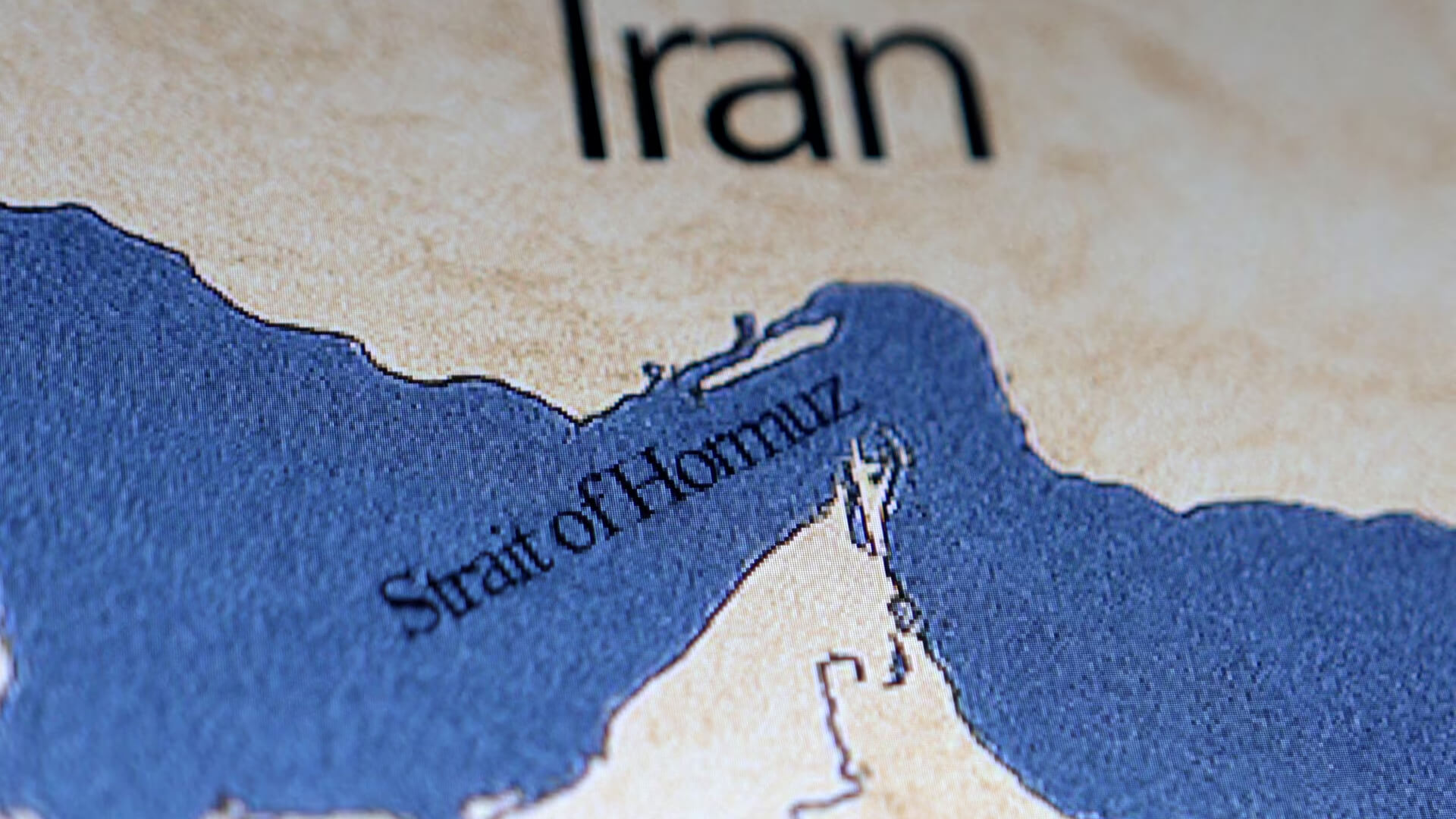
Russia and China on Tuesday vetoed a UN Security Council resolution that had been repeatedly diluted in an effort to secure their abstentions, aimed at reopening the Strait of Hormuz.
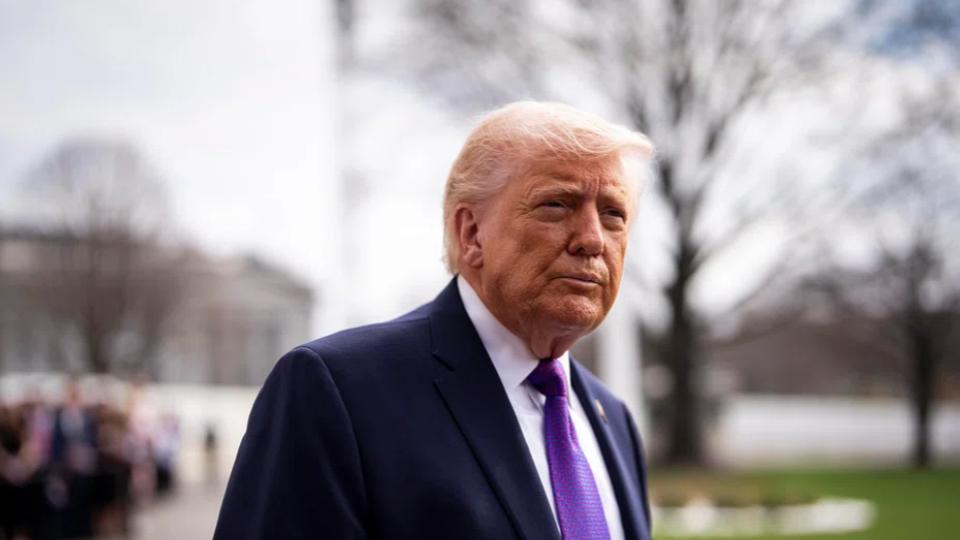
The vote ended 11-2, with Pakistan and Colombia abstaining. It followed US President Donald Trump's stark warning that "a whole civilisation will die tonight" if Iran did not reopen the strategic waterway and reach an agreement by his 8 pm Eastern deadline.
The strait is critical, as about one-fifth of the world’s oil supply passes through it, and Iran’s control during the conflict has driven energy prices higher. Abdullatif bin Rashid Al Zayani, speaking after the vote, said failure to adopt the resolution sent a troubling message about threats to international waterways going unchecked by the international body responsible for peace and security.
Before the vote, Al Zayani questioned whether the global community would accept being "held hostage to economic blackmail," referring to Iran’s threats to international trade and food security through its blockade of the strait.
The resolution, proposed by Bahrain, had been significantly weakened to encourage Moscow and Beijing to abstain rather than veto. Even if adopted, it was unlikely to influence the ongoing conflict, now in its sixth week.
The original proposal would have
authorised the use of "all necessary means," a phrase encompassing military action, to ensure safe passage through the Strait of Hormuz and prevent its closure. The United States supported this initial draft but criticised those opposing it.
authorised the use of "all necessary means," a phrase encompassing military action, to ensure safe passage through the Strait of Hormuz and prevent its closure. The United States supported this initial draft but criticised those opposing it.
Mike Waltz, the US ambassador to the UN, condemned Russia and China for tolerating what he described as Iran holding the global economy "at gunpoint." He accused them of siding with a regime that intimidates the Gulf region while repressing its own citizens during a nationwide internet blackout.
Following opposition from Russia, China and France, all permanent members of the Security Council, the resolution was revised to remove references to offensive force, authorising only "all defensive means necessary." The vote was expected on Saturday but the resolution was further weakened to exclude any Security Council authorisation for action and to limit its scope strictly to the Strait of Hormuz, dropping adjacent waters.
The final draft, vetoed on Tuesday, encouraged states using the strait for commercial maritime routes to coordinate defensive measures to ensure safe navigation. It called for escorting merchant vessels and deterring attempts to obstruct or interfere with passage. The resolution also demanded Iran immediately cease attacks on commercial vessels and refrain from impeding navigation or targeting civilian infrastructure.
No Comments For This Post, Be first to write a Comment.
Most viewed from International



Most viewed from World









Todays Epaper
English Weekly


AIMIM News







Latest Urdu News
Most Viewed
May 26, 2020
Which cricket teams will reach the IPL 2026 finals?
Latest Videos View All
.jpg)
.jpg)
.jpg)

Like Us
Home
About Us
Advertise With Us
All Polls
Epaper Archives
Privacy Policy
Contact Us
Download Etemaad App
© 2026 Etemaad Daily News, All Rights Reserved.