




Netanyahu Calls for Investigation into Sources Behind Award-Winning Gaza Film ‘NAZA’
Tue 13 Oct 2026, 16:18:35
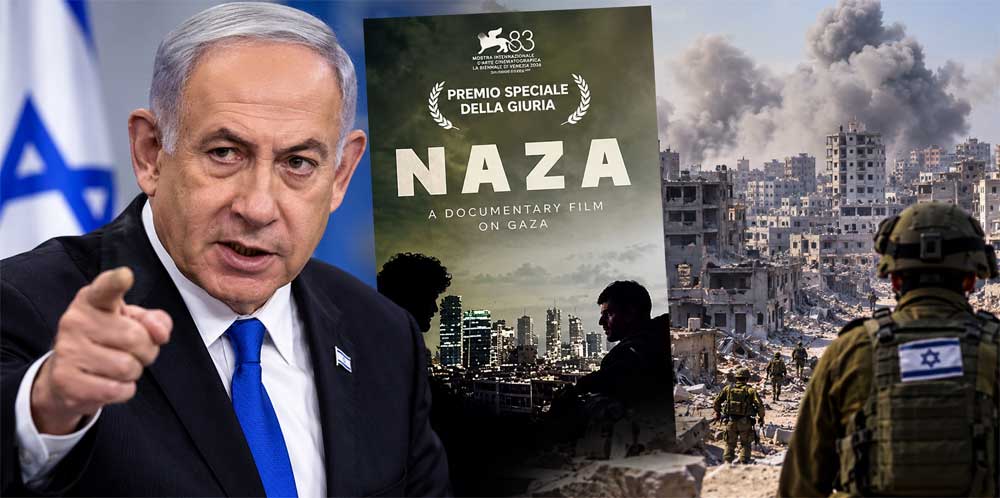
Documentary features testimonies from 24 anonymous Israeli military insiders alleging the use of AI-powered targeting systems in Gaza
Tel Aviv, October 12 (Agencies): Israeli Prime Minister Benjamin Netanyahu has called for an investigation into anonymous military sources featured in the award-winning documentary NAZA, which examines Israeli military operations in Gaza and allegations concerning civilian casualties.
According to international media reports, Netanyahu urged the Israeli military chief, the head of the Shin Bet domestic intelligence agency and the attorney general to identify the soldiers and intelligence personnel interviewed in the documentary and consider criminal proceedings against them.
The prime minister demanded an investigation into alleged breaches of information security, criminal defamation and actions that he said had harmed Israel's diplomatic and security interests.
The documentary features testimonies from 24 anonymous Israeli military insiders, including intelligence officers and soldiers. They allege that artificial intelligence-powered targeting systems were used during military operations in Gaza and that some strikes were carried out despite knowledge that civilians could be killed.
The identities of the interviewees have been protected through digital alterations to their
faces and voices.
faces and voices.
Netanyahu rejected the documentary's allegations, describing the film as misleading and damaging to Israel's international reputation. He maintained that the documentary presented a distorted account of Israeli military operations.
The Israel Defense Forces also rejected the allegations. The military said that human personnel, rather than automated systems alone, make the final decisions on selecting and approving targets. It accused the filmmakers of misrepresenting military procedures.
NAZA, directed by Oscar-winning filmmakers Yuval Abraham and Rachel Szor, received the Special Jury Prize at the Venice International Film Festival. The documentary attracted international attention and sparked a political controversy in Israel.
The film's release has also raised concerns among journalists, filmmakers and press freedom advocates about attempts to identify and prosecute confidential sources. Supporters of the filmmakers argue that investigations into matters of public interest should be possible without intimidation or threats against journalists and their sources.
The controversy has renewed international debate over Israeli military operations in Gaza, the use of artificial intelligence in warfare, civilian casualties and the protection of whistleblowers who disclose information about military conduct.
No Comments For This Post, Be first to write a Comment.
Most viewed from International









Most viewed from World












Todays Epaper

English Weekly


AIMIM News



Latest Urdu News
Most Viewed
Aug 02, 2026
Should India introduce stricter laws against AI-generated fake videos and images?
Like Us
Home
About Us
Advertise With Us
All Polls
Epaper Archives
Privacy Policy
Contact Us
Download Etemaad App
© 2026 Etemaad Daily News, All Rights Reserved.