




Logistics Become Complicated And Costlier 'War Effect'
Tue 25 Aug 2026, 18:31:55
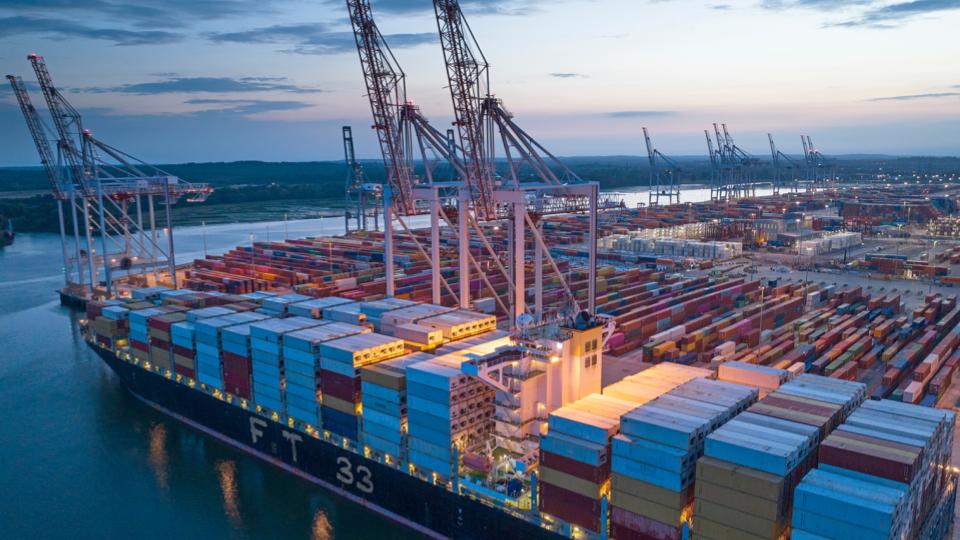
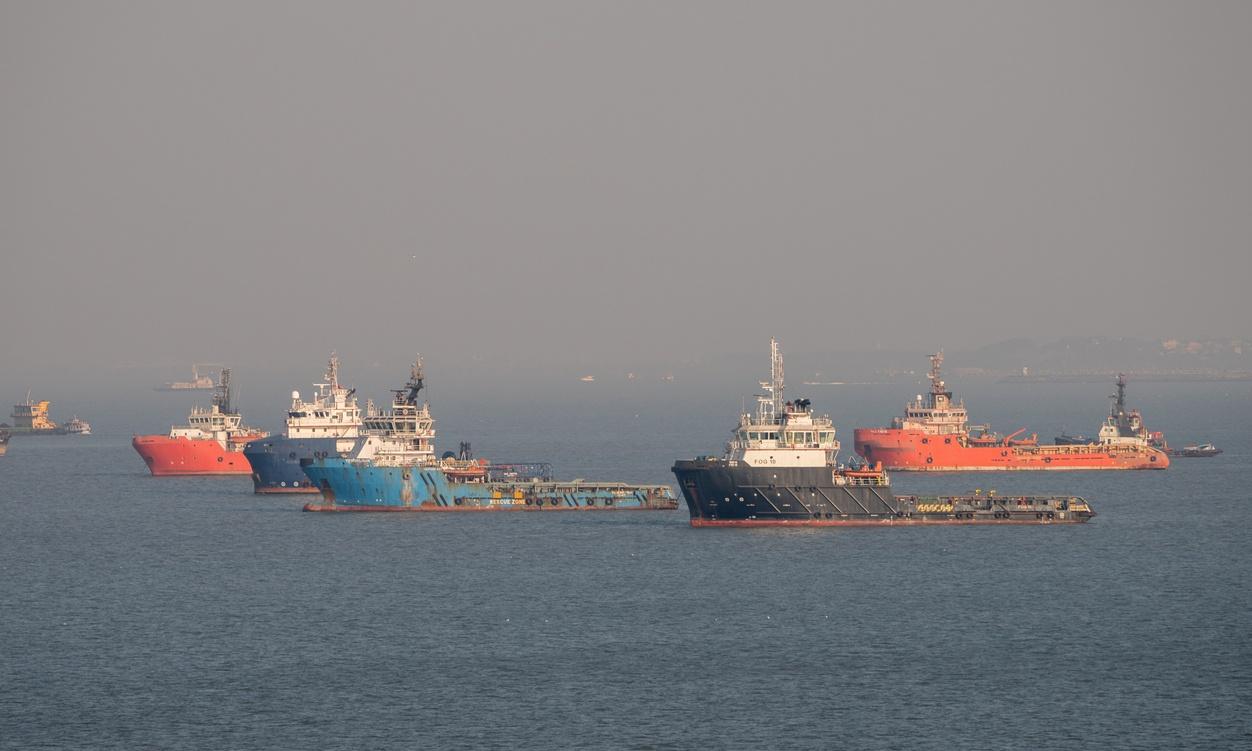
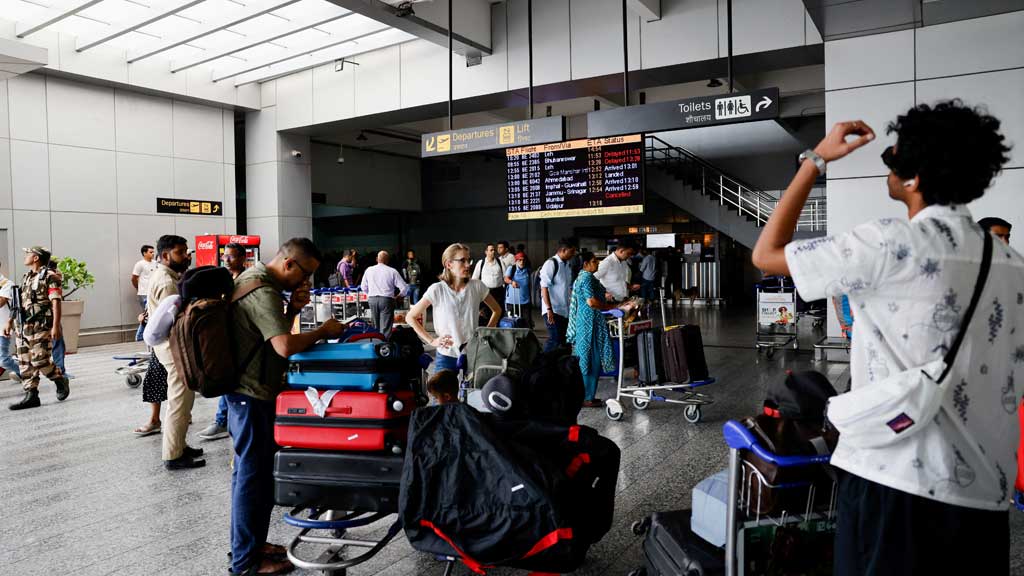
Six months into the West Asia crisis, Indian exporters and supply chain providers are still reeling under the pressure of higher freight rates and insurance premiums, longer transit times, rerouting of cargo and higher inventory requirements.
From getting geopolitical resilience inbuilt into the system, to multi-modal transport, keeping buffer stocks and using technology to track cargo, the industry has incorporated several changes.
However, all these are adding to the working capital needs, and the logistics industry has become
complicated since the start of the war.
complicated since the start of the war.
According to Jitendra Srivastava, CEO, Triton Logistics and Maritime, the crisis has forced companies to rethink supply-chain strategies.
Cost minimisation is no longer the sole objective; geopolitical resilience has become equally important. Industries that previously relied on just-in-time inventory models are now maintaining 15-30 pc safety stocks.
Companies are also developing alternative routing options, including multiple ports and combinations of sea, road and rail transport.
No Comments For This Post, Be first to write a Comment.
Most viewed from International



Most viewed from World











Todays Epaper

English Weekly


AIMIM News




Latest Urdu News
Most Viewed
Aug 02, 2026
Should India introduce stricter laws against AI-generated fake videos and images?
Like Us
Home
About Us
Advertise With Us
All Polls
Epaper Archives
Privacy Policy
Contact Us
Download Etemaad App
© 2026 Etemaad Daily News, All Rights Reserved.