




Iran's President Masoud Pezeshkian likely to travel to New York for UNGA: Reports
Mon 21 Sep 2026, 01:21:49
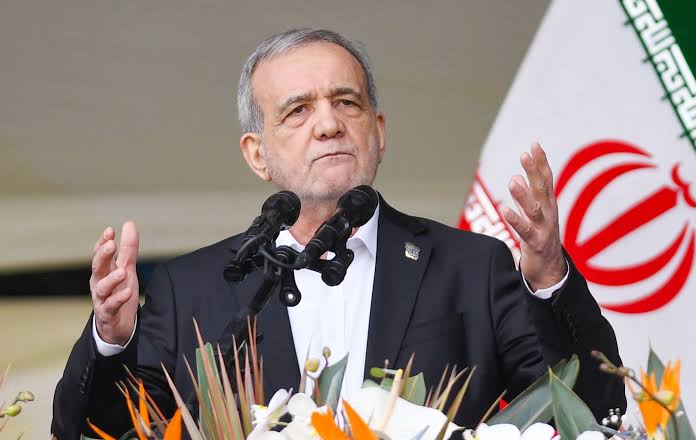
Iran's President Dr Masoud Pezeshkian will likely travel to New York in the upcoming days to participate in a session of the United Nations General Assembly (UNGA), according to reports by Islamic Republic's Tasnim news agency and Tehran Times. However, the dates have not been confirmed yet.
The reports stated Pezeshkian will also address the UNGA session, and outline Iran's position, as the war with the United States (US) continues. He might also hold meetings with other global leaders and reiterate Iran's position on the conflict, while seeking their assistance in ending it.
Pezeshkian would be accompanied by a large delegation that would including top civilian and military officials, the reports said, adding that the Iranian President travels to New York every year "to present the country’s positions to the international community from the UN podium".
The developments comes days after the US approved visas for top Iranian officials, including Pezeshkian and Foreign Minister Abbas Araghchi, for the UNGA session. The
move is aimed at easing tensions between the two sides who have been engaged in a conflict since February 28 this year.
move is aimed at easing tensions between the two sides who have been engaged in a conflict since February 28 this year.
"Consistent with our host country obligations, the core delegation from the Iranian regime will be able to attend UN General Assembly High Level week," the US State Department said in a statement. "The delegation will be under travel restrictions and will face prohibitions on the purchase of luxury and other goods per our policy. The delegation is smaller than last year."
The US and Iran have held talks, but have failed to end the deadlock. Iran has maintained that it would keep the Strait of Hormuz under its control, while the US wants the waterway to remain free for all vessels. A report earlier also claimed that the Trump administration could end the hostilities if Iran opens Hormuz.
Earlier in the day, Iran said it has once again conveyed the US about its conditions to reopen Hormuz, which includes ending hostilities on all fronts, the release of our frozen funds and an end to the naval blockade.
No Comments For This Post, Be first to write a Comment.
Most viewed from International

Most viewed from World



Todays Epaper

English Weekly


AIMIM News


Latest Urdu News
Most Viewed
Aug 02, 2026
Should children under 16 be restricted from using social media?
Like Us
Home
About Us
Advertise With Us
All Polls
Epaper Archives
Privacy Policy
Contact Us
Download Etemaad App
© 2026 Etemaad Daily News, All Rights Reserved.