




Iran ceasefire is dead, Trump trapped by his own making: Ex-US NSA John Bolton
Thu 16 Jul 2026, 02:39:27
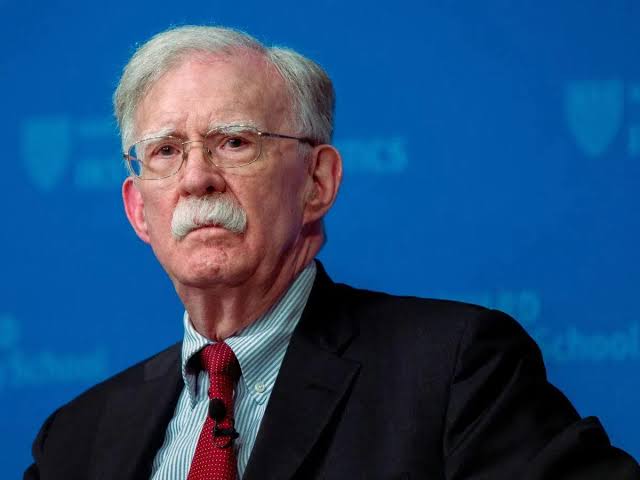
The ceasefire between the United States and Iran has effectively collapsed, and President Donald Trump is now "trapped by his own making", former US National Security Adviser John Bolton said, warning that Washington entered the conflict without a clear strategy and negotiated with Iranian officials who never held real power.
In an exclusive interview, Bolton argued that the US-Iran memorandum of understanding (MOU) had failed, the Strait of Hormuz crisis had exposed major flaws in Washington's planning, and the region was now edging towards another dangerous phase of conflict.
At the heart of the crisis, Bolton said, is a peace agreement that never had a realistic chance of succeeding.
"I think the memorandum of understanding basically is dead and I think the ceasefire is dead along with it," he said.
According to Bolton, the US negotiated with Iran's civilian leadership even though the country's military decisions remained in the hands of the Islamic Revolutionary Guard Corps (IRGC).
"The MOU was negotiated with civilian authorities, the Speaker of the Parliament, the Minister of Foreign Affairs, who don't control the Revolutionary Guard, components that have the missiles, the ships, the mortars, the drones to try and close the Strait of Hormuz."
The former national security adviser also argued that months of US-Israeli military action had shattered Iran's central command structure.
"I think now you don't really have a functioning government. You have different pieces, different heads of authority that are not answerable to a single source."
"We've been negotiating with people who don't hold the cards."
Much of Bolton's criticism was directed at Trump himself, accusing the US President of launching a conflict without defining what success would look like.
"Trump has made a lot of mistakes in this."
Before hostilities began, Washington failed to prepare the American public, coordinate with allies or develop a long-term strategy, he argued.
"He didn't prepare the American people. He didn't consult with friends and allies around the world. He doesn't seem to have had a strategy. I don't know what his objectives are."
Domestic politics, rather than strategic planning, also shaped the memorandum of
understanding, Bolton said.
understanding, Bolton said.
"He wanted oil, again, to come out of the Gulf, to lower global oil prices, to get the price at the pump in America for American consumers down and lessen the danger to the Republican Party in the November congressional elections."
With the agreement now effectively abandoned, Trump has boxed himself into a difficult position, Bolton argued.
"The MOU has failed now, so Trump is in a trap of his own making."
"He launched the war. He didn't think through the implications. He's got political trouble at home, and he can't find anybody in the Iranian regime to talk to that makes any difference."
Bolton also criticised Trump's abrupt reversal over his proposed 20 per cent transit fee on cargo moving through the Strait of Hormuz.
"This is a good example of how Trump doesn't think beyond 24 hours."
The proposal, he argued, contradicted America's long-standing position that commercial shipping should enjoy freedom of navigation through international waterways.
"His 20% toll... lasted less than 24 hours."
As pressure mounts at home and abroad, Bolton believes Trump's decision-making is becoming increasingly unpredictable.
"He sends crazy messages... and they don't do it. He can't deal with what's happening."
"It will make him more frustrated and more erratic."
Bolton also repeated his long-held belief that lasting peace in the region would only come with political change in Tehran.
"Ultimately, you're never going to get peace and security in the Middle East with the regime still in power in Tehran."
Rejecting criticism that such a position violated international law, he argued that Iran's leadership continued to threaten regional security and Western interests.
The US-Iran conflict intensified further on Wednesday as the United States launched another round of strikes on Iran's coastal defence systems and missile sites after reimposing a naval blockade on Iranian ports. Tehran hit back by threatening to close more regional energy export corridors.
The fresh escalation comes as both sides continue battling for control of the Strait of Hormuz, through which about 20 per cent of global oil and gas shipments passed before the war.
No Comments For This Post, Be first to write a Comment.
Most viewed from International



Most viewed from World






Todays Epaper

English Weekly


AIMIM News


Latest Urdu News
Most Viewed
Aug 02, 2026
Do you think Artificial Intelligence will create more jobs than it replaces?
Like Us
Home
About Us
Advertise With Us
All Polls
Epaper Archives
Privacy Policy
Contact Us
Download Etemaad App
© 2026 Etemaad Daily News, All Rights Reserved.