




India, Uzbekistan agree to establish a long-term uranium supply framework
Mon 31 Aug 2026, 00:48:06
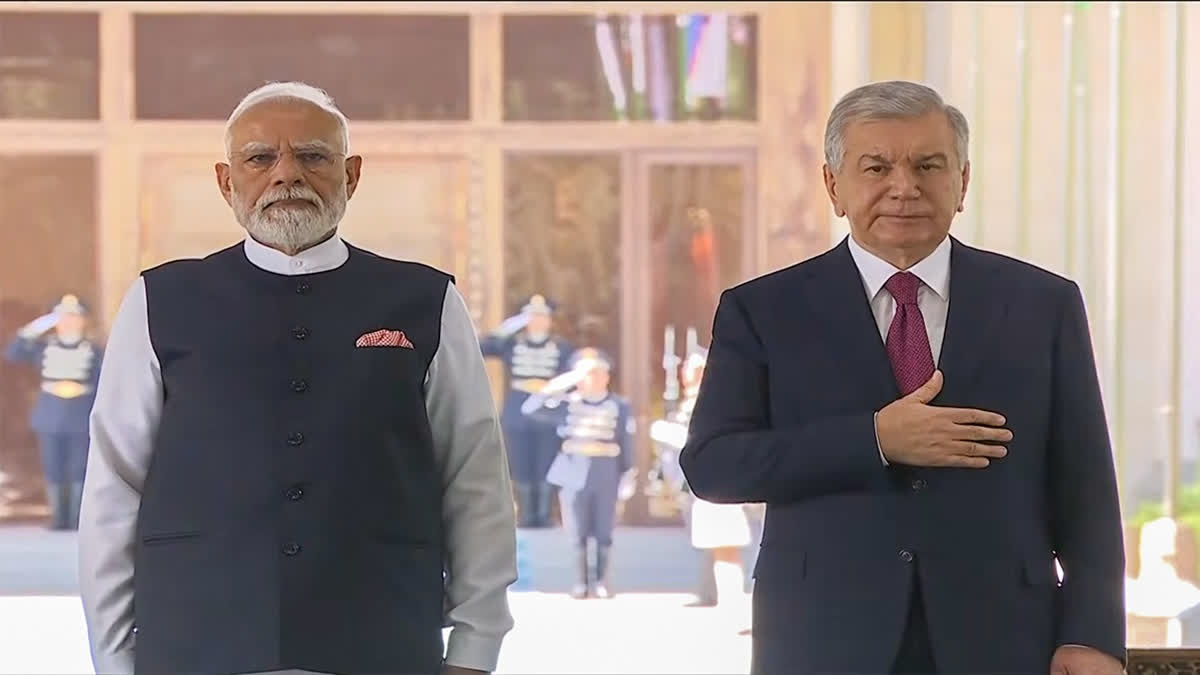
India and Uzbekistan have agreed to establish a long-term framework for uranium supply, with Prime Minister Narendra Modi making the announcement during delegation-level talks with Uzbek President Shavkat Mirziyoyev in Tashkent. The discussions also covered ways to deepen cooperation across energy, critical minerals, infrastructure, defence, technology and other sectors.
The two countries also decided to elevate their relationship to a Comprehensive Strategic Partnership and set a target of USD 5 billion in annual bilateral trade by 2030, up from the current trade volume of more than USD 1 billion. The uranium arrangement is significant as New Delhi has been looking at uranium imports from Uzbekistan for civilian nuclear energy.
"We will also establish a long-term arrangement for the supply of uranium," PM Modi said during the talks, outlining the next step in energy cooperation between the two countries.
PM Modi also said India and Uzbekistan
should set concrete goals under the new Comprehensive Strategic Partnership. He proposed a Coordination Council at foreign minister level to guide bilateral cooperation and said the existing joint commission would be upgraded from secretary level to ministerial level.
should set concrete goals under the new Comprehensive Strategic Partnership. He proposed a Coordination Council at foreign minister level to guide bilateral cooperation and said the existing joint commission would be upgraded from secretary level to ministerial level.
The two sides also agreed to jointly organise a business summit involving companies from both countries.
Beyond uranium, PM Modi highlighted cooperation in digital public infrastructure, artificial intelligence, critical minerals, clean energy, space and nuclear energy. He also pointed to India's GIFT City and Uzbekistan's New Tashkent as potential areas for sharing urban development expertise and technology.
Uzbekistan's President said the two countries would prepare sector-specific roadmaps covering areas including energy, critical minerals, pharmaceuticals, jewellery and agriculture. He also highlighted cooperation in space, digital innovation, artificial intelligence and start-ups.
No Comments For This Post, Be first to write a Comment.
Most viewed from International



Most viewed from World




Todays Epaper

English Weekly


AIMIM News


Latest Urdu News
Most Viewed
Aug 02, 2026
Should India introduce stricter laws against AI-generated fake videos and images?
Like Us
Home
About Us
Advertise With Us
All Polls
Epaper Archives
Privacy Policy
Contact Us
Download Etemaad App
© 2026 Etemaad Daily News, All Rights Reserved.