




Gulf Fears US–Iran Talks May Entrench Iran’s Hormuz Grip
Tue 21 Apr 2026, 14:00:58
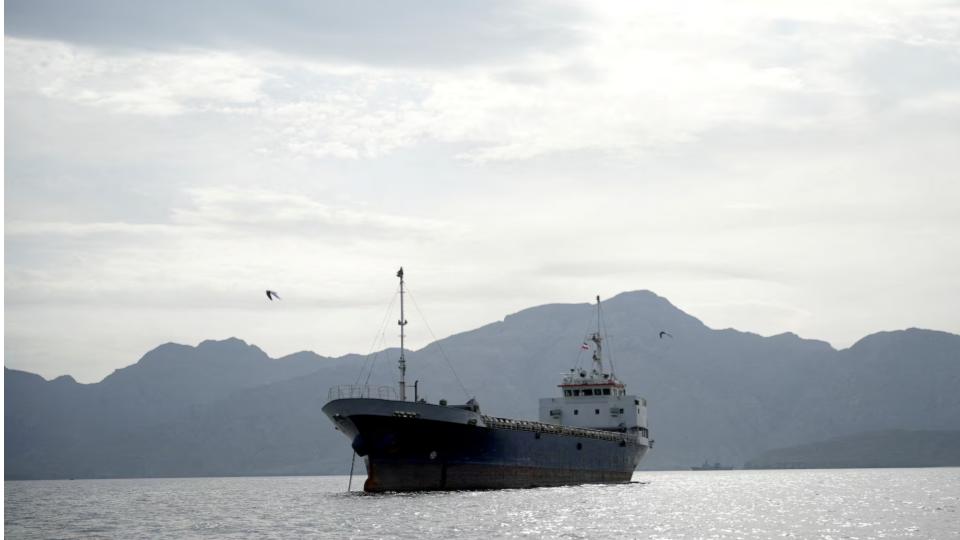
A warning by former Russian president Dmitry Medvedev has crystallised fears among Gulf states that reopening the Strait of Hormuz may be the most Iran-U.S. talks can achieve, falling short of the broader de-escalation they regard as vital.
Officials and analysts expect the next round of negotiations, due in Islamabad, will focus increasingly not on Iran's missiles or regional proxies but on uranium enrichment limits and how to handle Iran’s leverage over the Strait, the world’s most critical oil shipping
route.
route.
Gulf officials warn the approach risks entrenching Iran's grip on Middle East energy supplies by managing rather than dismantling its leverage, prioritising global economic stability even while leaving the countries most exposed to the energy and security consequences outside formal decision-making.
Gulf sources say U.S.–Iran diplomacy is now centered less on rolling back Iran’s missile programme and more on enrichment levels and tacitly accepting Tehran’s leverage over Hormuz, which carries about a fifth of global oil supplies.
No Comments For This Post, Be first to write a Comment.
Most viewed from International


Most viewed from World




Todays Epaper

English Weekly


AIMIM News


Latest Urdu News
Most Viewed
May 26, 2020
Which cricket teams will reach the IPL 2026 finals?
Latest Videos View All
.jpg)
.jpg)
.jpg)

Like Us
Home
About Us
Advertise With Us
All Polls
Epaper Archives
Privacy Policy
Contact Us
Download Etemaad App
© 2026 Etemaad Daily News, All Rights Reserved.