




At least 89 killed, more than 700 wounded in Israel's attacks on Lebanon: Lebanese Health Ministry
Thu 09 Apr 2026, 00:10:22
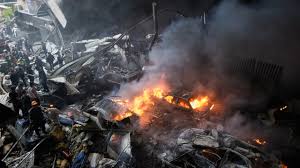
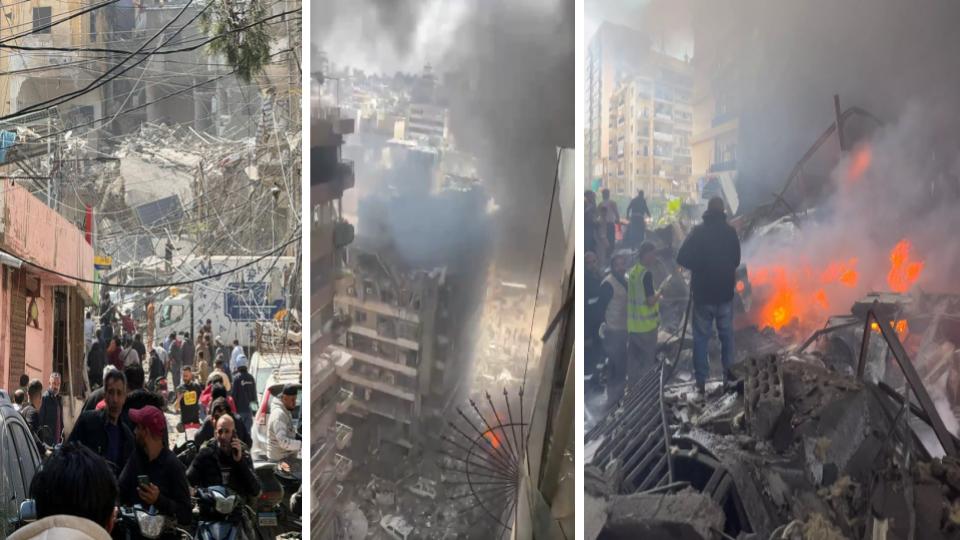
Lebanon's health ministry on Wednesday said at least 89 people have been killed and 700 wounded in Israel's midday strikes in Beirut. The development comes as Israeli strikes hit several dense commercial and residential areas in central Beirut without warning on Wednesday afternoon, hours after a ceasefire was announced in the US-Israeli war with Iran. Lebanon's health ministry said at least 89 people were killed and 700 were wounded.
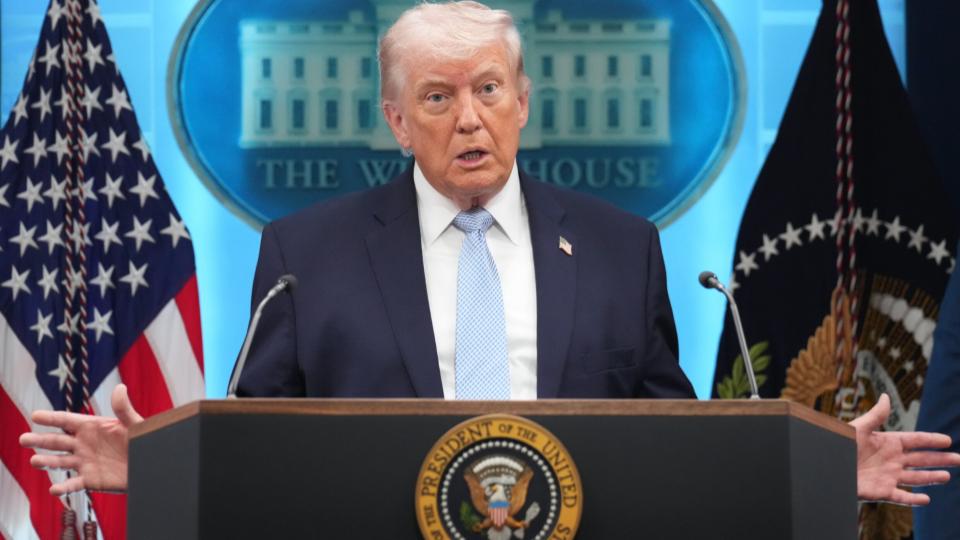
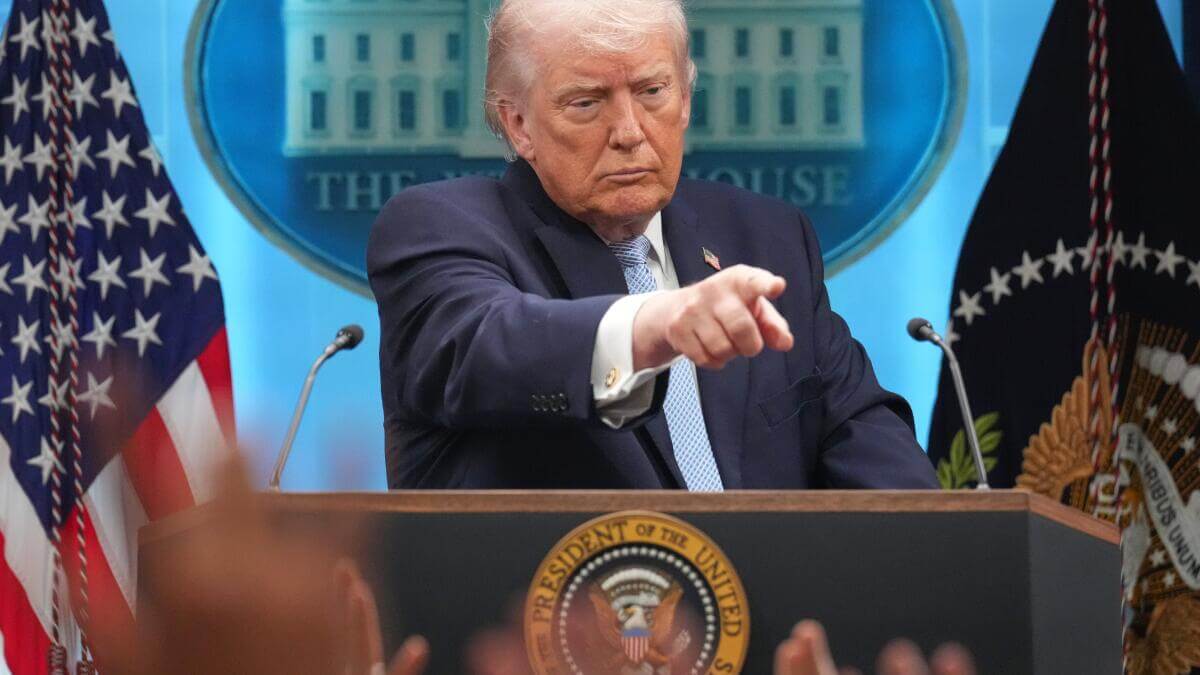
US President Donald Trump told PBS News Hour that Lebanon was not included in the deal because of the Lebanese militant Hezbollah group. When asked about Israel's latest strikes, he said, "That's a separate skirmish."
Israel had said the agreement does not extend to its war with the Iran-backed Hezbollah, although mediator Pakistan said it does. The fleeting sense of relief among Lebanese after the ceasefire announcement turned into panic with what Israel's military called its largest coordinated strike in the current war, hitting more than 100 Hezbollah targets within 10 minutes in Beirut, southern Lebanon and the eastern Bekaa Valley.
Black smoke towered over several parts of the seaside capital, where a huge number of people displaced by war have taken
shelter. Explosions interrupted the honking of traffic on what had been a bustling, blue-sky afternoon. Ambulances raced toward open flames. Apartment buildings were struck.
shelter. Explosions interrupted the honking of traffic on what had been a bustling, blue-sky afternoon. Ambulances raced toward open flames. Apartment buildings were struck.
However, there was no sign of Hezbollah launching strikes against Israel in the first couple of hours after the attacks. Central Beirut has been targeted before, but not by so many strikes at once and in the middle of the day. Israel had rarely struck central Beirut since the outbreak of the latest Israel-Hezbollah war on March 2 but has regularly struck southern and eastern Lebanon and Beirut's southern suburbs.
Lebanon's Minister of Social Affairs, Haneed Sayed, in an interview with The Associated Press condemned Israel's wide range of strikes, calling it a "very dangerous turning point." "These hits are now at the heart of Beirut … Half of the sheltered (internally displaced people) are in Beirut in this area," she said, adding that she had just driven by areas hit.
She said Lebanon's government is ready to enter into negotiations with Israel for an end to hostilities, an offer that the Lebanese president previously made. Israel has not responded. "There are calls and efforts being made as we speak," Sayed said.
No Comments For This Post, Be first to write a Comment.
Most viewed from International
Most viewed from World



.jpg)

.jpg)

Todays Epaper
English Weekly


AIMIM News



Latest Urdu News
Most Viewed
May 26, 2020
Which cricket teams will reach the IPL 2026 finals?
Latest Videos View All
.jpg)
.jpg)
.jpg)

Like Us
Home
About Us
Advertise With Us
All Polls
Epaper Archives
Privacy Policy
Contact Us
Download Etemaad App
© 2026 Etemaad Daily News, All Rights Reserved.