




Telangana's all-party meeting on El Nino crisis ends without concrete drought roadmap
Wed 28 Oct 2026, 23:27:37
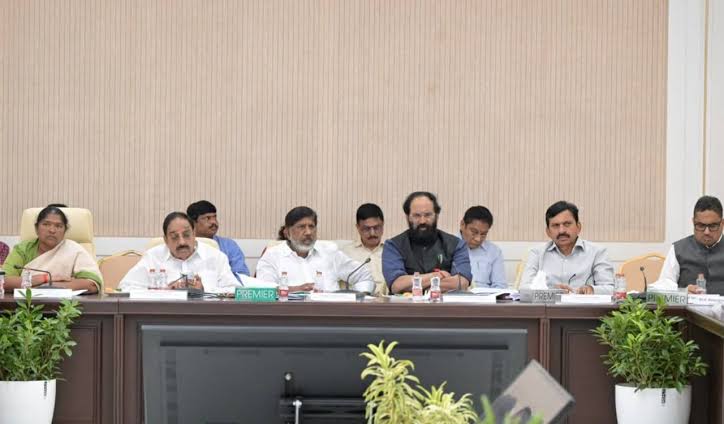
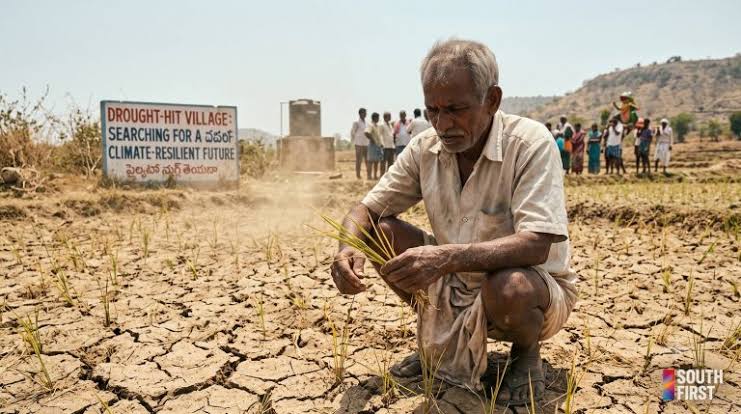
The Congress government’s all-party meeting on the drought conditions in Telangana due to El Nino ended without a concrete action plan. The Opposition parties criticised Chief Minister A Revanth Reddy’s absence during the first-ever all-party meeting held by the government, and its failure to provide concrete assurances and relief measures to farmers.
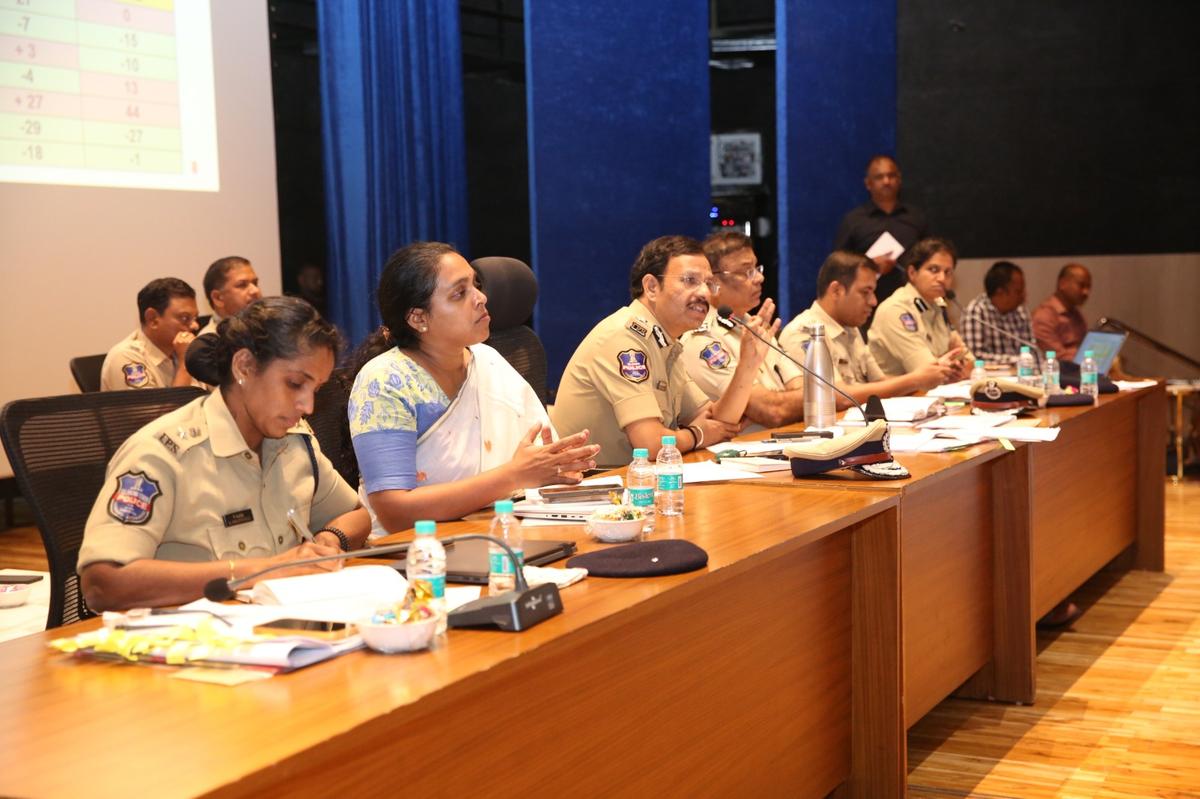
Chaired by Deputy Chief Minister Mallu Bhatti Vikramarka at the State Secretariat on Wednesday, the meeting with the Cabinet sub-committee sought suggestions on drinking water, irrigation and power supply but offered no clear timelines for crop-loss compensation, Yasangi (Rabi) cultivation or Rythu Bharosa financial assistance to affected farmers.
BRS leaders accused the government of responding late to a crisis that had already affected crops across nearly 24.3 lakh acres, according to figures cited at the meeting. They questioned why the government failed to utilise available water resources and spell out a strategy to mitigate the crisis.
Former Minister S Niranjan Reddy questioned the decision to declare a crop holiday for the Rabi season despite previous rainfall deficits and
asked why Krishna River water had not been adequately utilised. He also sought clarity on Rythu Bharosa payments, power generation from the Yadadri thermal plant and support for livelihoods dependent on agriculture and allied sectors.
asked why Krishna River water had not been adequately utilised. He also sought clarity on Rythu Bharosa payments, power generation from the Yadadri thermal plant and support for livelihoods dependent on agriculture and allied sectors.
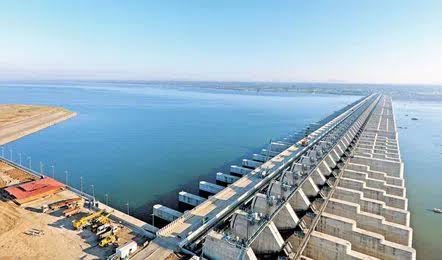
BRS leaders B Vinod Kumar and L Ramana said better utilisation of the Godavari and Krishna rivers’ waters could have reduced the crisis. Citing estimates that 750 TMCft of Godavari River water and around 200 TMCft of Krishna river’s water had flowed into Andhra Pradesh, they questioned Telangana’s failure to conserve and use the water.
The Opposition demanded compensation of Rs 50,000 per acre for crop losses, with the Centre and State contributing Rs 25,000 each. It also sought clarity on disaster-relief funds and a plan to address the drought’s impact in the coming months.
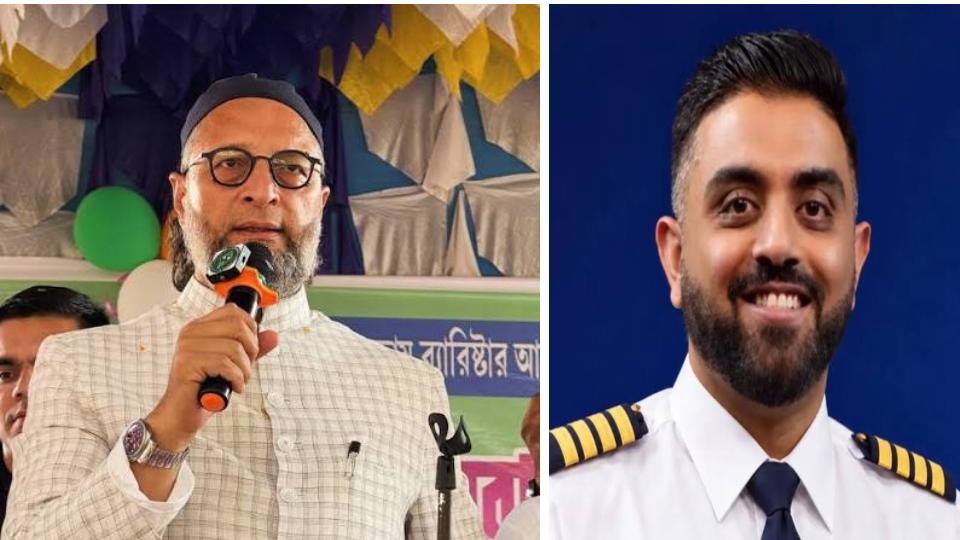
AIMIM president Asaduddin Owaisi and floor leader Akbaruddin Owaisi submitted a representation seeking immediate measures to safeguard agriculture, power supply and drinking water availability. They also raised concerns over declining reservoir storage and called for contingency arrangements to ensure uninterrupted water supply.
No Comments For This Post, Be first to write a Comment.
Most viewed from Hyderabad

Most viewed from World






Todays Epaper

English Weekly


AIMIM News

Latest Urdu News
Most Viewed
Aug 02, 2026
Should India introduce stricter laws against AI-generated fake videos and images?
Like Us
Home
About Us
Advertise With Us
All Polls
Epaper Archives
Privacy Policy
Contact Us
Download Etemaad App
© 2026 Etemaad Daily News, All Rights Reserved.