




Telangana faces underreporting of viral fevers amid lack of rapid testing
Sat 29 Aug 2026, 01:17:39
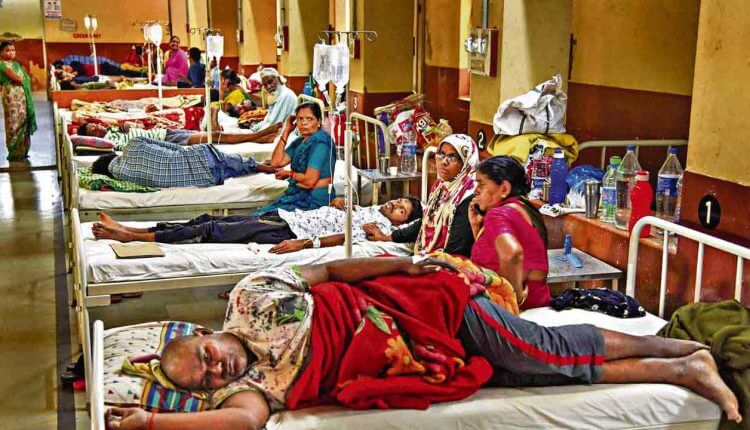
Every year, whenever there is a surge in cases of seasonal ailments, the State Health Department in Telangana issues routine advisories, urging people to stay alert and seek medical help. However, there is quite a disconnect between the routine advisories and ground realities.
On the diagnostics front, almost all the primary health centres, Basthi Dawakhanas and District Hospitals lack rapid molecular testing capacity for comprehensive respiratory testing that can quickly inform doctors about a viral infection.
Most of the treatment depends on guesswork, fuelling anger among patients, who are forced to rush to private healthcare facilities in the hope of receiving better care and a better understanding of their ailment.
At the same time, government hospitals are also not able to strengthen prevention by offering free annual flu shots for
vulnerable groups like pregnant women, children, senior citizens and individuals with co-morbid conditions.
vulnerable groups like pregnant women, children, senior citizens and individuals with co-morbid conditions.
While annual flu vaccines remain financially out of reach for the average household, a severe lack of rapid diagnostic tools handicaps government doctors’ ability to respond quickly to seasonal respiratory pathogens.
Unlike childhood immunisations under the Universal Immunization Programme (UIP) or state-backed subsidised adult vaccine rollouts, Telangana State does not offer annual influenza vaccines for vulnerable demographics.
An annual influenza vaccine could go a long way in saving lives, especially among vulnerable groups, and also reduce the number of viral fever cases. However, the cost of preventive flu vaccines ranges from Rs 1,500 to Rs 4,000, effectively making them affordable only for affluent families.
No Comments For This Post, Be first to write a Comment.
Most viewed from Hyderabad










Most viewed from World






.jpg)


Todays Epaper

English Weekly


AIMIM News



Latest Urdu News
Most Viewed
Aug 02, 2026
Do you think Artificial Intelligence will create more jobs than it replaces?
Like Us
Home
About Us
Advertise With Us
All Polls
Epaper Archives
Privacy Policy
Contact Us
Download Etemaad App
© 2026 Etemaad Daily News, All Rights Reserved.