




NDSA affidavit, CWPRS report expose Congress propaganda on Kaleshwaram: Harish Rao
Wed 26 Aug 2026, 02:07:22
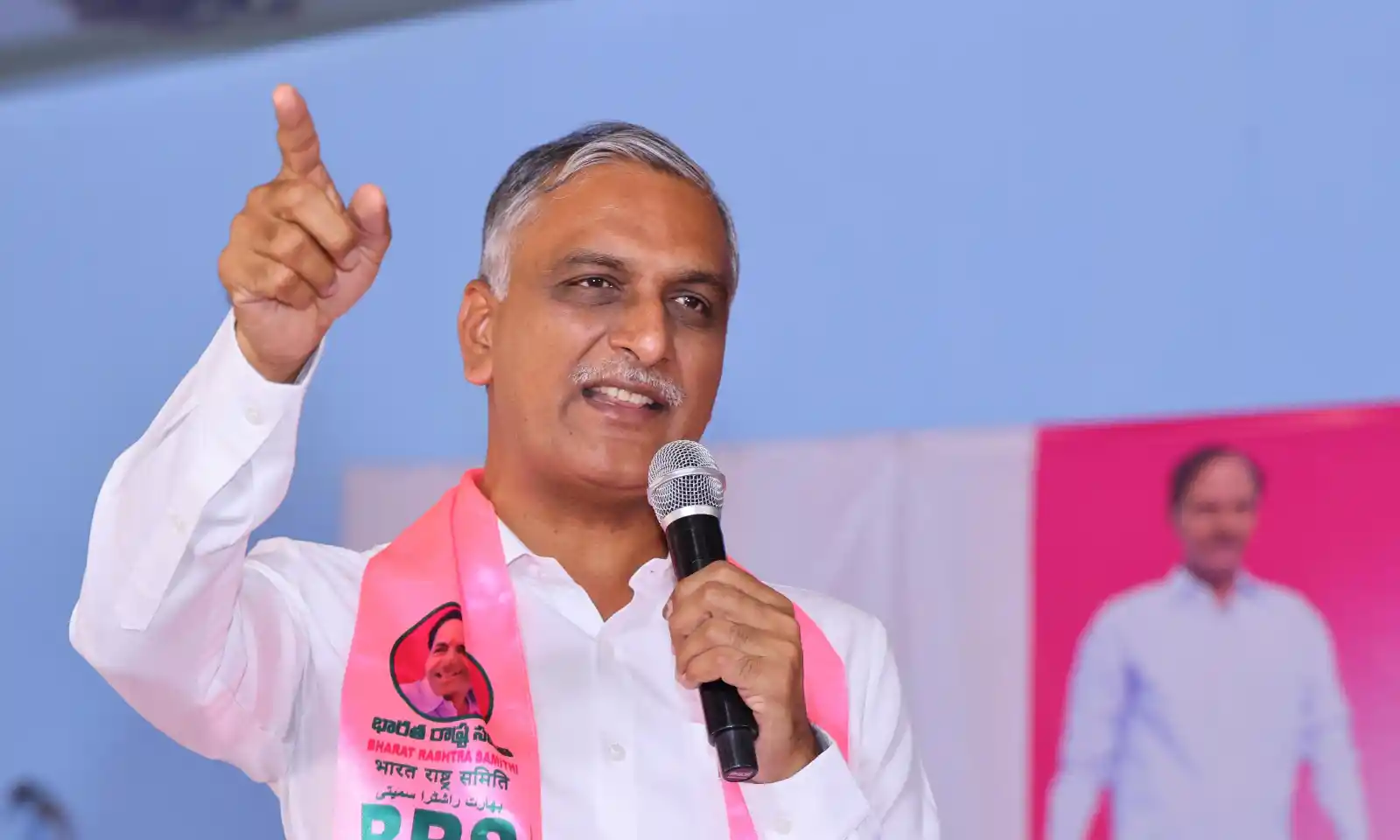
BRS Legislature Party deputy leader T Harish Rao said the National Dam Safety Authority (NDSA) affidavit and Central Water and Power Research Station (CWPRS) reports have exposed the Congress government’s propaganda against the Kaleshwaram Lift Irrigation Scheme. He demanded that the Annaram and Sundilla pumps be operated immediately to lift Godavari River water and fill reservoirs.
Reacting to the NDSA affidavit in the Telangana High Court, Harish Rao said the Central Authority made it clear in its affidavit that water could be lifted from Kaleshwaram project depending on requirements. Meanwhile, the CWPRS found no structural problems in any block of the Annaram and Sundilla barrages and reported that the concrete quality was satisfactory, he said.
“The Revanth Reddy government is deliberately keeping Kaleshwaram aside due to political vendetta and allowing Godavari River water to flow downstream instead of using it for Telangana’s farmers,” he said.
The BRS leader said the government switched on Devadula (project) and Nandi pumps only after repeated demands from
his party, by which time much of the floodwater had flowed downstream, and later shut them down. “Water was released to Andhra Pradesh while Telangana farmers were left with tears,” he remarked.
his party, by which time much of the floodwater had flowed downstream, and later shut them down. “Water was released to Andhra Pradesh while Telangana farmers were left with tears,” he remarked.
Harish Rao stated that reservoir storage in Telangana stood at only 35.6 per cent, against the national average of 64.16 per cent, indicating an impending water crisis.
He accused the government of failing in water management despite repeated warnings about El Nino and possible drought conditions. The State, which had overcome water shortages during the K Chandrashekhar Rao regime, was being pushed back into water distress, he alleged.
The former Irrigation Minister questioned why the government was more interested in appointing commissions and conducting inquiries than conserving and utilising Godavari and Krishna River waters for farmers.
“This is not the time for politics,” he said, urging the government to focus on project management, Telangana’s water rights and farmers’ interests instead of internal political disputes.
No Comments For This Post, Be first to write a Comment.
Most viewed from Hyderabad


Most viewed from World



Todays Epaper

English Weekly


AIMIM News
Latest Urdu News
Most Viewed
Aug 02, 2026
Do you think Artificial Intelligence will create more jobs than it replaces?
Like Us
Home
About Us
Advertise With Us
All Polls
Epaper Archives
Privacy Policy
Contact Us
Download Etemaad App
© 2026 Etemaad Daily News, All Rights Reserved.