




KRMB meeting deferred as Telangana, AP clash over drinking water
Tue 24 Nov 2026, 01:12:27
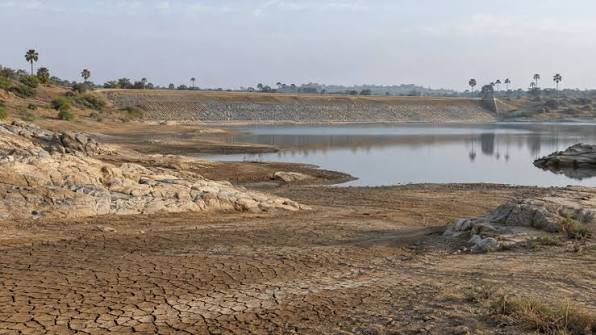
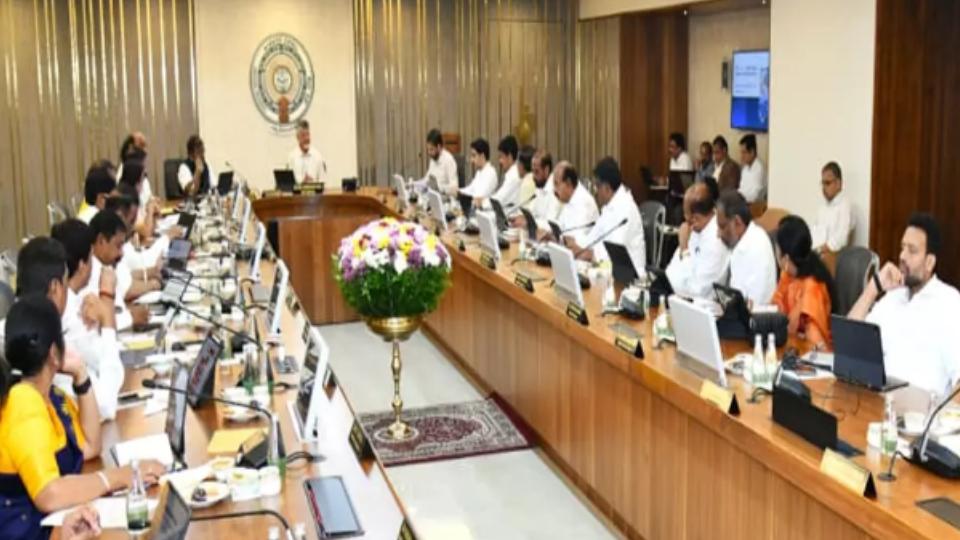
A four-hour meeting of the Krishna River Management Board’s (KRMB) three-member committee on Monday ended without a decision on drinking water allocation, with Telangana and Andhra Pradesh refusing to yield on their competing demands amid dwindling reservoir levels.
Andhra Pradesh sought a total of 19 TMCft of Krishna water, including an additional 10 TMCft over the nine TMCft it had already requested. It also sought 10 TMCft for the Krishna delta. However, Telangana argued that it required 21 TMCft till February and sought 30 TMCft for the next three months, citing drinking water needs and the coming summer.
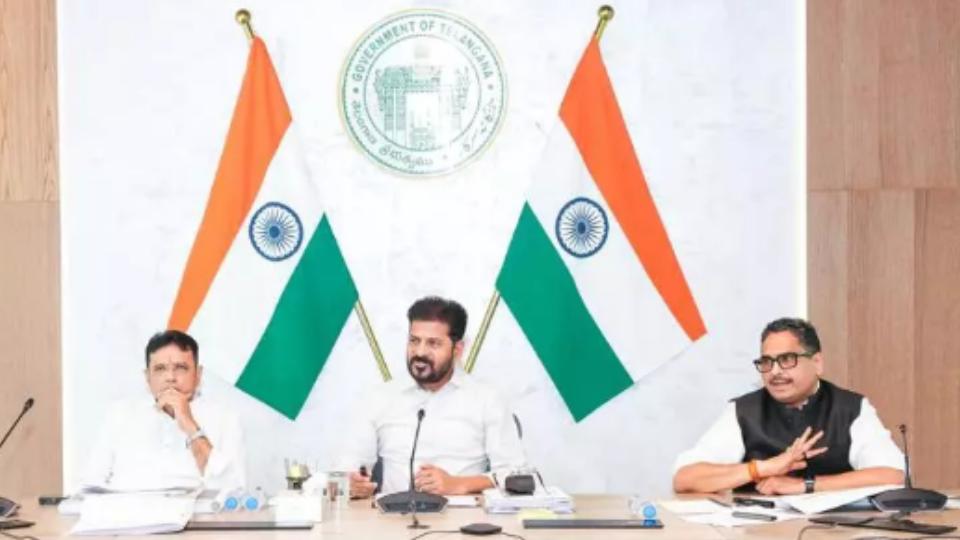
The committee, comprising KRMB Member-Secretary Satish Kamboju and the Engineers-in-Chief of the two States, Ramesh Babu and Narasimha Murthy, heard the arguments but could not reach a consensus. It decided to meet again to discuss the proposals.
Telangana
said the 45 TMCft available in Nagarjuna Sagar had to be conserved until July. Hyderabad alone would require 15 TMCft for drinking water during this period, while about five TMCft could be lost to evaporation, it said. The State argued that the remaining water should be used for drinking water and the right and left canals, leaving none for the Krishna delta.
Telangana’s officials also questioned AP’s demand, pointing to water available at Pulichintala and supplies to the delta through the Pattiseema project. They said the delta’s irrigation needs should not be met from Nagarjuna Sagar after its crop season had ended.
AP sought water for drinking needs in Palnadu, Guntur, Bapatla, Markapuram and Prakasam districts through the right canal, and for districts including Krishna, NTR and Eluru through the left canal. Telangana objected, stating that AP had already used more than its share.
No Comments For This Post, Be first to write a Comment.
Most viewed from Hyderabad



Most viewed from World






Todays Epaper
English Weekly

AIMIM News


Latest Urdu News
Most Viewed
Aug 02, 2026
Should the government impose stricter measures to control air pollution in Indian cities?
Like Us
Home
About Us
Advertise With Us
All Polls
Epaper Archives
Privacy Policy
Contact Us
Download Etemaad App
© 2026 Etemaad Daily News, All Rights Reserved.