




Harish Rao warns Telangana is heading towards power crisis
Fri 17 Jul 2026, 01:22:15
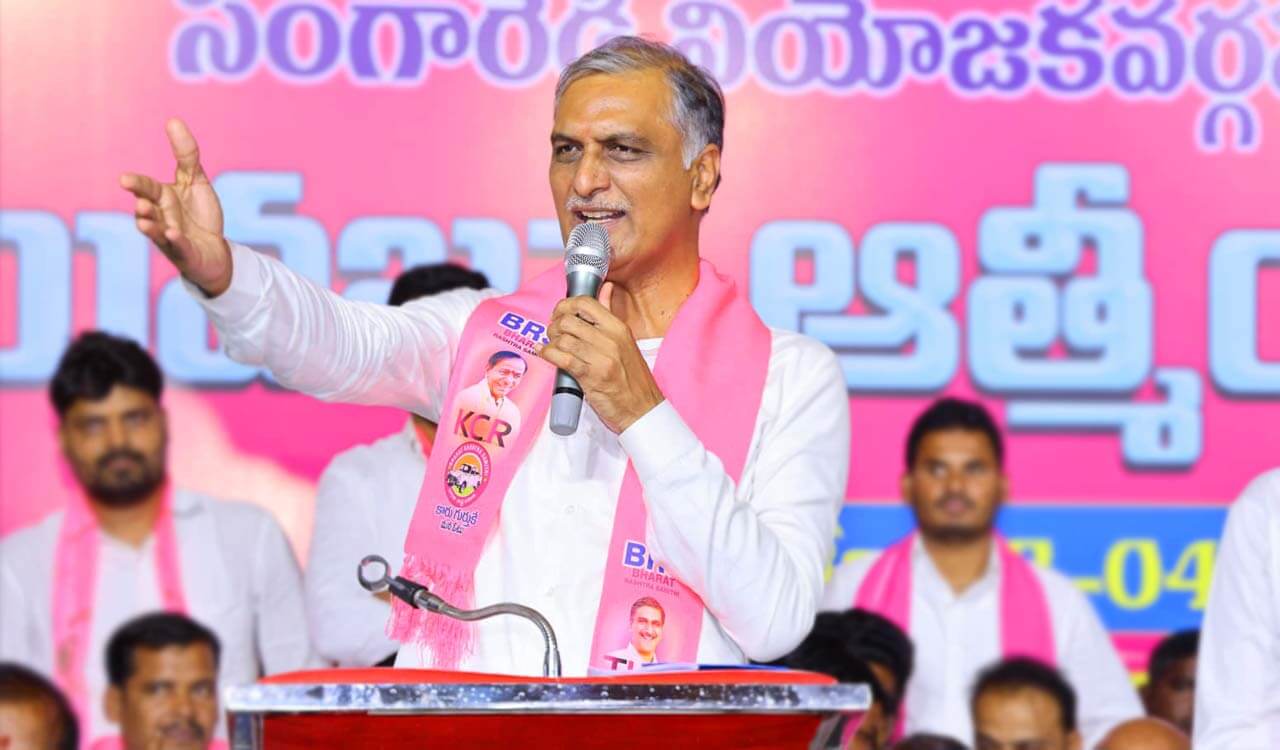
BRSLP deputy leader T Harish Rao raised alarm over Telangana heading towards a power crisis due to coal shortages, poor planning and mismanagement by the Congress government. He said thermal power stations were operating at just 44 per cent of their 7,180 MW capacity, forcing the State to purchase 80 million units of electricity every day from the power exchange at high prices, even as people faced unannounced power cuts.
He demanded the restoration of 24-hour free power for agriculture and warned that the BRS would intensify its protests if the government failed to address the crisis.
Addressing a press conference at Telangana Bhavan on Thursday, Harish Rao said power outages had affected farmers, students, traders and households across the State. He cited protests by farmers in front of substations in 11 districts over erratic power supply. He alleged that inadequate coal stocks had crippled thermal generation, with Kothagudem, Kakatiya, Bhadradri and Yadadri thermal power stations left with coal reserves for only six to seven days.
“Two units at the
Yadadri plant had stopped generation due to a lack of coal,” he said, blaming maintenance failures for the disruption at the Bhadradri plant.
Yadadri plant had stopped generation due to a lack of coal,” he said, blaming maintenance failures for the disruption at the Bhadradri plant.
The BRSLP deputy leader said Telangana had an installed generation capacity of about 23,000 MW, but thermal generation stood at only 3,190 MW on Tuesday despite demand being around 15,000 MW. He accused the government of failing to ensure coal supply, maintain water reservoirs and operate power plants efficiently.
Harish Rao pointed out that the Congress government had ignored his repeated warnings about dwindling coal production and a possible shortage of coal stocks since January this year. He alleged that the Singareni website, which carried daily coal production data, had been shut to prevent public access to information on coal production, supply and quality.
“The government is supplying better-quality coal to Tamil Nadu, Karnataka and Andhra Pradesh while Telangana thermal stations are receiving poor-quality coal, resulting in frequent rejection of coal rakes and, subsequently, lower power generation,” he remarked.
No Comments For This Post, Be first to write a Comment.
Most viewed from Hyderabad

Most viewed from World





Todays Epaper

English Weekly


AIMIM News

Latest Urdu News
Most Viewed
Aug 02, 2026
Should children under 16 be restricted from using social media?
Like Us
Home
About Us
Advertise With Us
All Polls
Epaper Archives
Privacy Policy
Contact Us
Download Etemaad App
© 2026 Etemaad Daily News, All Rights Reserved.