




Builders seek rethink on new TDR rules, say Hyderabad apartment prices may go up by Rs 400 per sft
Sun 08 Mar 2026, 01:46:09
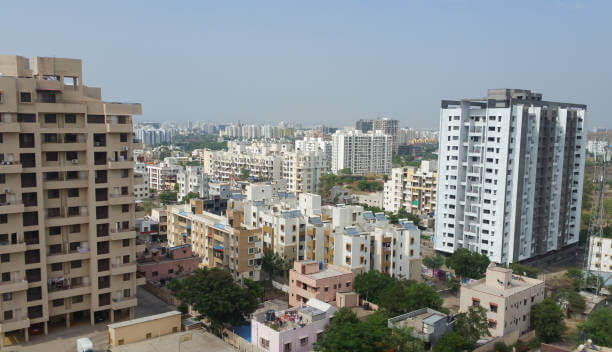
Builders in Hyderabad have opposed the new Transferable Development Rights (TDR) rules imposed for the construction of high-rise structures above ten floors, stating that the policy could increase apartment prices by about Rs 350 to Rs 400 per square foot. They have urged the State government to reconsider the orders.
The Metropolitan Area and Urban Development Department issued GO Ms No.16 on January 16 this year. According to the order, builders constructing high-rise buildings above 10 floors must ensure that 10 per cent of the built-up area above the 10th floor is executed through TDR utilisation. Apart from other factors, the primary objective behind the order was to increase demand for TDR and improve acceptance among landowners who lose their lands for various public projects. However, builders have opposed the new rules.
A CREDAI Hyderabad member said the mandatory TDR utilisation would increase project costs and the additional burden would eventually be passed on to homebuyers through higher unit prices.
Generally, builders sign development agreements
with landowners to take up projects in 60:40 or 50:50 ratios depending on the land parcel and location. In such cases, builders have to purchase TDRs and bear the additional cost.
with landowners to take up projects in 60:40 or 50:50 ratios depending on the land parcel and location. In such cases, builders have to purchase TDRs and bear the additional cost.
Explaining the financial impact, the CREDAI member said that if a 40-floor structure is constructed, the builder would have to invest nearly four times the cost in purchasing TDRs for the mandatory portion. This could increase the unit cost by about Rs 350 to Rs 400 per sft.
At present, TDRs are available at minus 23 to 25 per cent of the total cost value. Under the new rules, the demand for TDR could increase significantly, creating scope for black marketing, which could prove detrimental to builders, the member added.
He suggested that the mandatory TDR utilisation of 10 per cent built-up area for buildings above 10 floors should instead be made applicable only for projects above 20 floors. He also pointed out that the condition cannot be imposed uniformly across the West and other zones of the city, as the rule could affect the promotion of high-rise construction in several areas.
No Comments For This Post, Be first to write a Comment.
Most viewed from Hyderabad










Most viewed from World











Todays Epaper

English Weekly


AIMIM News








Latest Urdu News
Most Viewed
May 26, 2020
Which cricket team is your favourite to win the T20 World Cup 2026?
Latest Videos View All
.jpg)
.jpg)
.jpg)


Like Us
Home
About Us
Advertise With Us
All Polls
Epaper Archives
Privacy Policy
Contact Us
Download Etemaad App
© 2026 Etemaad Daily News, All Rights Reserved.