




Brace for alternate-day drinking water supply as Telangana crisis deepens
Mon 19 Oct 2026, 03:36:49
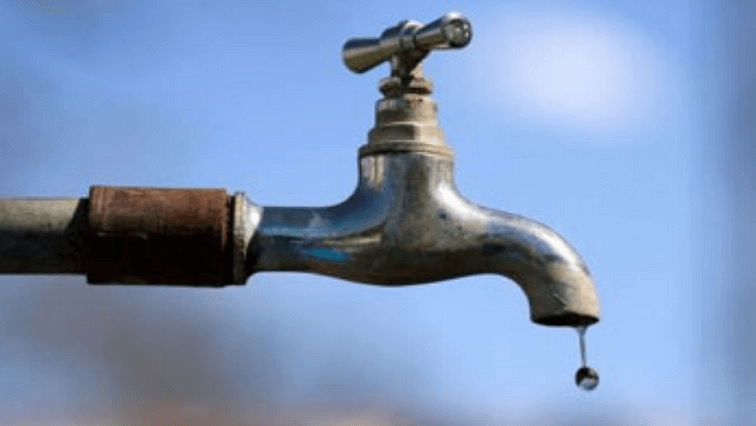
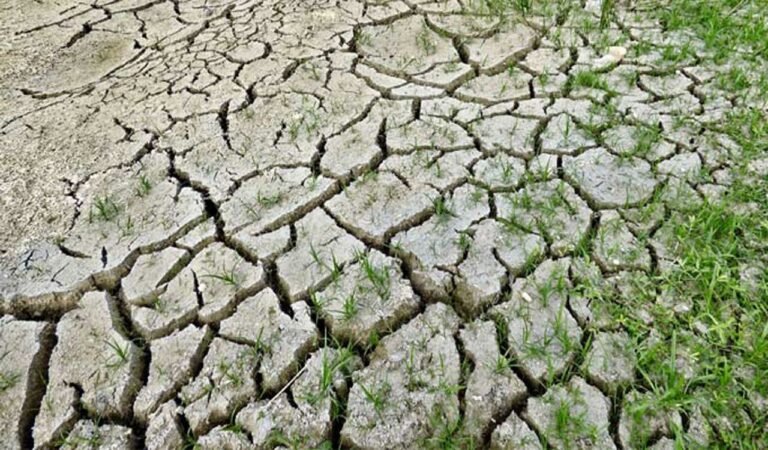
Telangana could face drinking water shortages in the coming months as reservoir levels fall and groundwater reserves deplete, prompting the government to prepare contingency measures for the period from October 2026 to October 2027. Parts of the State may face alternate-day supply if the situation worsens, while shortages have already been reported in some areas.
The government has drawn up an operational plan to reserve available reservoir water for drinking purposes, regulate irrigation releases and arrange emergency pumping if water levels decline further.
The plan comes amid concerns that an El Niño-related rainfall deficit could intensify water stress. The emerging situation has also raised questions about the preparedness of the authorities despite earlier warnings about declining water availability.
Official assessments cited in the report indicate a 71 per cent deficit in Krishna basin reservoirs, with 78.5 TMCft available against a capacity of 270 TMCft. Godavari basin projects reportedly hold 96 TMCft against a capacity of 145.7 TMCft, representing a deficit of about 34 per cent. Singur reservoir, which has a capacity of 29.91 TMCft, is also critically low. The report estimates that water levels in 40 per cent of the State’s tanks are below 25 per cent of their capacity.
Hyderabad faces potential supply pressures as well. Of the 14.5 lakh water connections serving an estimated 1.3 crore people in the metropolitan area, around three lakh connections could face shortages by December in areas dependent on the Singur and Manjeera reservoirs, according to the report.
The government is preparing nine alternative measures at an estimated cost of Rs 57.55
crore. A separate proposal worth Rs 84.14 crore envisages additional pumping arrangements at Singur to sustain supplies under Mission Bhagiratha.
crore. A separate proposal worth Rs 84.14 crore envisages additional pumping arrangements at Singur to sustain supplies under Mission Bhagiratha.
The State has prepared a project-wise allocation plan to meet drinking water requirements for the next 339 days through gravity-fed and lift schemes. Reservoir water will be prioritised for people and livestock, while irrigation canal outlets will be regulated.
If water levels fall below dead storage, officials are considering emergency motors and special off-take arrangements to draw water where technically feasible. Authorities have also been warned of strict action in cases of negligence, leakage or interruptions at Mission Bhagiratha pumping stations and power substations.
The government has also proposed placing Rs 1 crore with each district collector to meet emergency drinking water requirements. Other measures under consideration include prioritising drinking water over irrigation releases, postponing releases from key projects and strengthening monitoring through telemetry. Farmers have been urged to avoid water-intensive Yasangi crops.
Officials have been directed to prioritise drinking water once irrigation requirements end on November 1. The government is also identifying private borewells for temporary use and considering tanker supplies to severely affected areas.
While these measures could help manage scarce supplies, their effectiveness will depend on timely implementation. With Singur’s reserves under pressure and Hyderabad’s supply network facing potential constraints, the government will need to ensure that alternative arrangements are operational before shortages force wider rationing.
No Comments For This Post, Be first to write a Comment.
Most viewed from Hyderabad


Most viewed from World



.jpg)




Todays Epaper

English Weekly


AIMIM News


Latest Urdu News
Most Viewed
Aug 02, 2026
Should India introduce stricter laws against AI-generated fake videos and images?
Like Us
Home
About Us
Advertise With Us
All Polls
Epaper Archives
Privacy Policy
Contact Us
Download Etemaad App
© 2026 Etemaad Daily News, All Rights Reserved.