




FIFA introduces multiple new rules for upcoming World Cup 2026
Thu 11 Jun 2026, 01:51:59
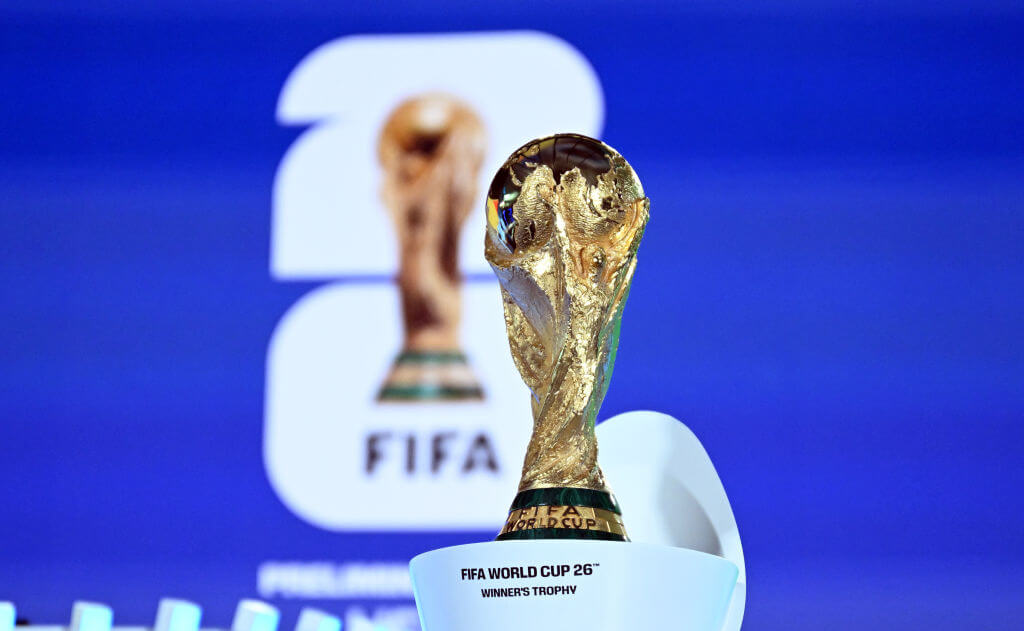
The 2026 FIFA World Cup will be played under a series of new regulations after the rule-making body IFAB approved changes affecting player behaviour, substitutions, VAR reviews and match management. The revised laws will come into force during the tournament in the United States, Mexico and Canada, introducing stricter punishments for protests, new time limits for substitutions and expanded powers for the Video Assistant Referee.
One of the biggest changes concerns player confrontations. Footballers who cover their mouth with a hand, arm or shirt while confronting an opponent will now be shown a red card. The rule follows an incident involving Real Madrid's Vinicius Jr. and Benfica's Gianluca Prestianni during the Champions League season.
Substitutions will also be subject to tighter timing regulations. Once replaced, a player must leave the field within 10 seconds using the nearest exit. Failure to do so will prevent the substitute from entering until the next stoppage in play, leaving the team a player short in the meantime. If the next stoppage happens within one minute, the wait then continues.
Referees have also been given greater authority to tackle delays during restarts. If a throw-in or corner kick is considered excessively slow, officials can begin a five-second countdown. Possession may
then be awarded to the defending side if the restart is not taken in time.
then be awarded to the defending side if the restart is not taken in time.
Tournament organisers have also introduced hydration breaks in each half amid concerns over playing conditions and high temperatures across host venues.
VAR responsibilities have been expanded ahead of the competition. Officials will now be permitted to review incorrectly awarded corner kicks provided the restart has not been delayed. Reviews will also be allowed for attacking fouls committed before play becomes live from a restart situation.
Additional VAR interventions can occur when a second yellow card is clearly incorrect or when disciplinary action is taken against the wrong player because of mistaken identity.
Medical treatment procedures have also been adjusted. Outfield players who receive treatment must remain off the field for one minute before returning. Goalkeepers, players involved in collisions and those suffering serious injuries are exempt from the requirement.
Another change targets team protests. Any player who leaves the pitch in protest against a refereeing decision will receive a red card. Coaches encouraging such action will face the same punishment. Teams found responsible for causing a match abandonment through protest action could also forfeit the fixture.
No Comments For This Post, Be first to write a Comment.
Most viewed from Sports


Todays Epaper

English Weekly


AIMIM News

Latest Urdu News
Most Viewed
Aug 02, 2026
Should children under 16 be restricted from using social media?
Like Us
Home
About Us
Advertise With Us
All Polls
Epaper Archives
Privacy Policy
Contact Us
Download Etemaad App
© 2026 Etemaad Daily News, All Rights Reserved.