




Propaganda Against Islamic Teachings | Need for a Planned Defence
Sun 27 Sep 2026, 13:21:47
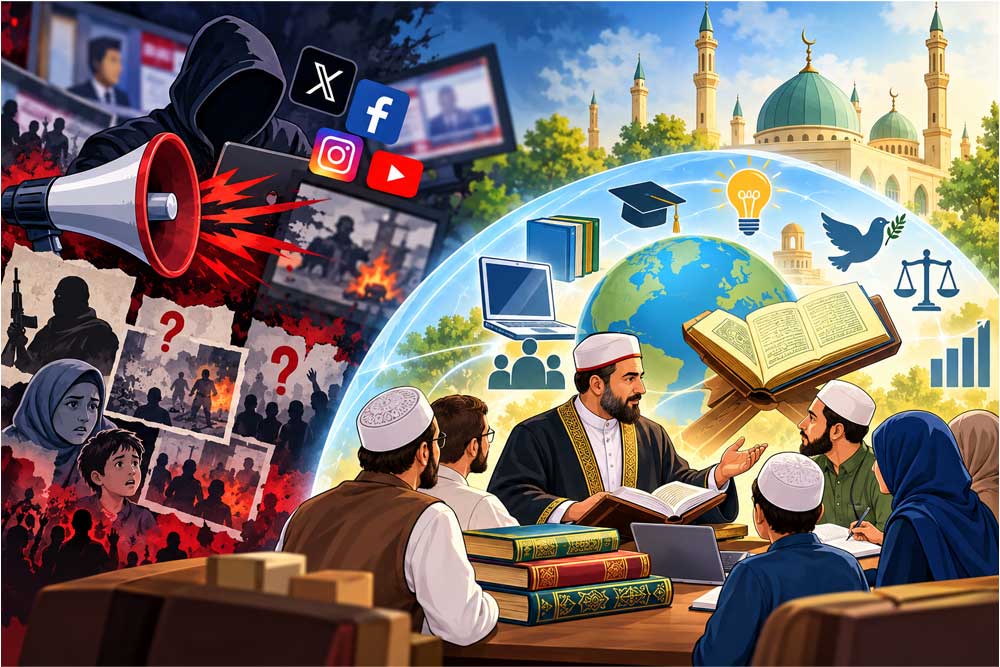
Islam and its teachings are increasingly subjected to negative portrayals through various forms of media and social media. Certain Islamic principles are sometimes presented without their proper context or purpose, creating misconceptions, particularly among younger generations.
The article points out that Islamic teachings concerning jihad and warfare are frequently portrayed in a misleading manner, creating the impression that Islam promotes violence. In reality, Islamic teachings prescribe specific rules, limits and ethical principles governing warfare. Harming innocent people, women, children and those who are not participating in hostilities is not permitted.
It stresses the importance of understanding the Holy Quran and the life and teachings of Prophet Muhammad ? in their proper context. Quoting an isolated verse or historical incident without considering its circumstances can lead to a distorted understanding of Islamic teachings.
Referring to wars throughout history as well
as conflicts in the modern era, the article notes that ordinary people often suffer the greatest losses. Islam therefore places great importance on peace, justice and the protection of human life, rather than encouraging unnecessary conflict.
as conflicts in the modern era, the article notes that ordinary people often suffer the greatest losses. Islam therefore places great importance on peace, justice and the protection of human life, rather than encouraging unnecessary conflict.
The article argues that Muslims—particularly scholars, intellectuals and educational institutions—have a responsibility to respond to misconceptions about Islam with knowledge, evidence and reasoned explanations. Younger generations should be properly educated about the Quran, Hadith and Islamic history so that they are better equipped to understand and respond to misinformation.
It concludes that defending Islamic teachings requires more than occasional reactions. A well-planned and sustained effort is needed to communicate the correct message of Islam through modern media, social platforms, educational programmes, writing and public discourse in a peaceful and effective manner.
Maulana Mufti Muhammad Anwaar Ahmed Quadri
No Comments For This Post, Be first to write a Comment.
Most viewed from Religious

Todays Epaper

English Weekly


AIMIM News
Latest Urdu News
Most Viewed
Aug 02, 2026
Should UPI payments remain completely free for all transactions?
Like Us
Home
About Us
Advertise With Us
All Polls
Epaper Archives
Privacy Policy
Contact Us
Download Etemaad App
© 2026 Etemaad Daily News, All Rights Reserved.