




Younger Indians without diabetes lose weight faster on GLP-1 shots
Wed 15 Apr 2026, 00:12:36
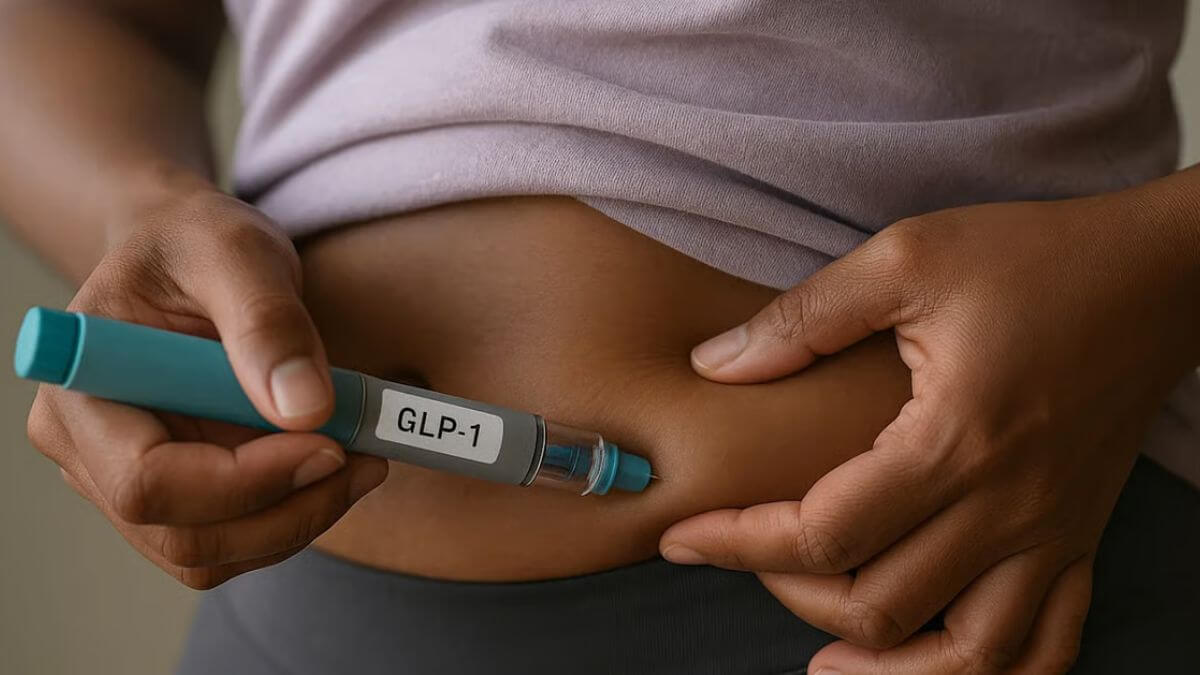
The first real-world Indian study on new-generation weight-loss drugs shows that people without diabetes shed kilos more rapidly, while younger patients respond better than older adults.
The findings are based on 150 overweight or obese participants treated with injectable semaglutide and tirzepatide- medicines from the GLP-1 therapy class- over six months.
The study has just been published in the Indian Journal of Endocrinology and Metabolism.
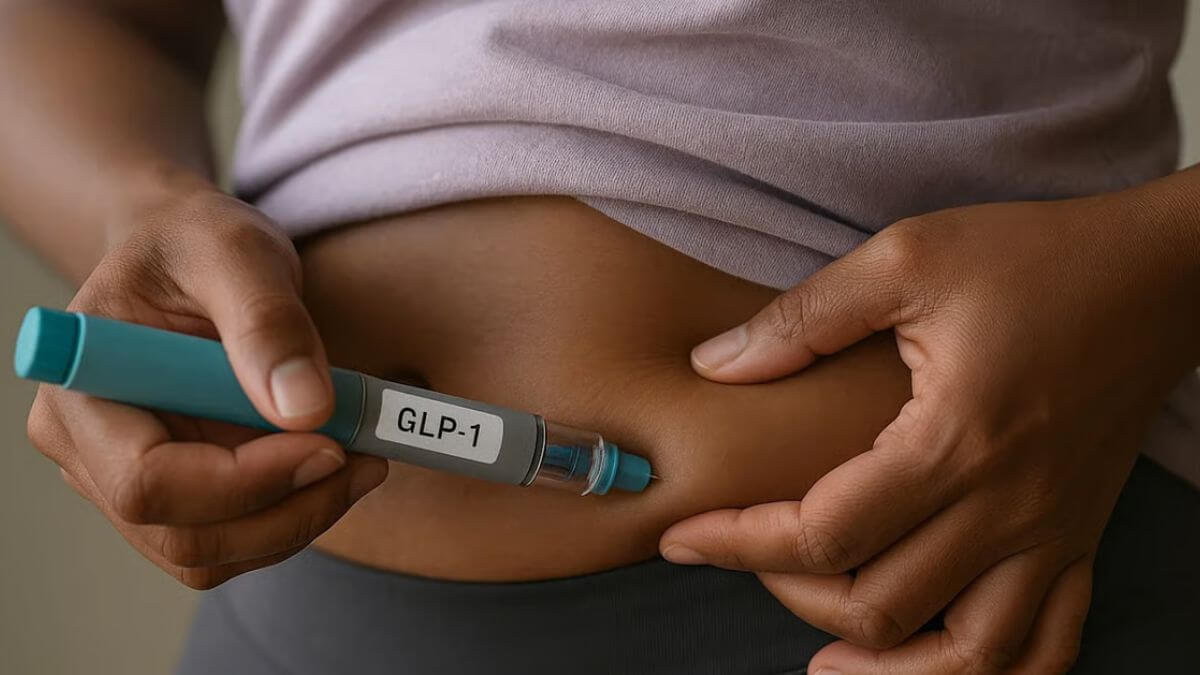
Tirzepatide, sold under the brand name Mounjaro, was launched in India by US-based Eli Lilly in March last year, while injectable semaglutide- marketed as Wegovy and Ozempic by Danish drugmaker Novo Nordisk- was introduced in the months that followed.
These GLP-1-based drugs, originally developed to treat type 2 diabetes, are also prescribed for obesity, as they act on gut hormones that regulate appetite and digestion.
The study, conducted by clinician-researchers at Max hospitals in Delhi, found that over 41 percent of participants achieved more than 10 percent weight loss on these drugs.
Notably, younger age, use of tirzepatide, and no prior exposure to similar therapies (oral semaglutide has been available in India since 2022) were linked to greater weight loss.
Senior endocrinologist Dr Ambrish Mithal, a co-author of the study, said these findings help set realistic expectations for both doctors and patients at the outset.
The median weight loss was 8.2 percent. Participants without diabetes saw significantly greater reductions than those with diabetes—11.21 percent compared with 5.48 percent.
Also, tirzepatide was associated with greater weight loss than semaglutide, at 8.60 percent versus 5.62 percent. Sixty-two participants, or 41.3 percent,
achieved more than 10 percent weight loss, with a median time of 9.5 months.
achieved more than 10 percent weight loss, with a median time of 9.5 months.
Younger age, tirzepatide use, and being new to GLP-1 therapy were linked to faster achievement of over 10 percent weight loss, while diabetes status did not influence faster achievement of less than 10 percent loss.
A key point, Dr Mithal noted, is that while tirzepatide showed greater weight loss – consistent with global findings – the current results are based on only six months of follow-up.
“The peak weight loss with these drugs often occurs after 12 to 18 months of GLP-1-based therapy,” he said.
A key finding highlighted in the study is that weight loss effects were less pronounced in people with both diabetes and obesity.
According to Dr Mithal, Indian patients with diabetes tend to have more complex metabolic profiles compared to their Western counterparts.
Diabetics, he said, have greater metabolic abnormalities among diabetics compared to those who are overweight or obese without diabetes. In addition, Indian patients often have higher levels of insulin resistance.
“Patients with diabetes who are on GLP-1 therapies are usually already taking multiple medications, and many are also on insulin, which can make weight loss more challenging,” Dr Mithal explained.
These findings come at a time when the patent for semaglutide has expired, paving the way for multiple generic versions in India’s rapidly expanding anti-obesity market, which has further fuelled the sale of these drugs in the country.
India is estimated to have about 10.1 crore people with diabetes, 25.4 crore with generalised obesity, and another 35.1 crore with abdominal obesity – driven by changing diets and increasingly sedentary lifestyles.
No Comments For This Post, Be first to write a Comment.
Most viewed from Health




.jpg)






Todays Epaper

English Weekly


AIMIM News







Latest Urdu News
Most Viewed
May 26, 2020
Which cricket teams will reach the IPL 2026 finals?
Latest Videos View All
.jpg)
.jpg)
.jpg)



Like Us
Home
About Us
Advertise With Us
All Polls
Epaper Archives
Privacy Policy
Contact Us
Download Etemaad App
© 2026 Etemaad Daily News, All Rights Reserved.