




World's first HIV-to-HIV lung transplant performed in the US
Wed 24 Jun 2026, 01:32:09
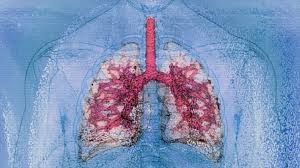
A first-of-its-kind surgery in the United States has given fresh hope to people living with HIV who need life-saving organ transplants.
Doctors at NYU Langone Health have successfully performed the world's first lung transplant from an HIV-positive donor to an HIV-positive recipient, expanding the pool of organs available for patients who were previously left with limited options.
The landmark procedure was carried out on March 21, 2026, under a special research protocol approved by the US Food and Drug Administration.
The surgery marks an important breakthrough for people living with HIV, who can now expect more opportunities to receive suitable donor
organs.
organs.
“This is a watershed moment for the HIV-positive community and represents real progress in creating equity in organ transplantation,” said Dr. Sapna Mehta, clinical director of the NYU Langone Transplant Institute and one of the architects of the research protocol that made the surgery possible.
Although HIV-positive-to-HIV-positive transplants are currently allowed only under specific research protocols, Dr. Mehta said the achievement broadens options for patients waiting for life-saving organs.
Thanks to antiretroviral therapy (ART), most people with HIV can now lead long and healthy lives, have near-normal life expectancy and, when treatment is effective, do not transmit the virus.
No Comments For This Post, Be first to write a Comment.
Most viewed from Health











Todays Epaper

English Weekly


AIMIM News


Latest Urdu News
Most Viewed
Aug 02, 2026
Should UPI payments remain completely free for all transactions?
Like Us
Home
About Us
Advertise With Us
All Polls
Epaper Archives
Privacy Policy
Contact Us
Download Etemaad App
© 2026 Etemaad Daily News, All Rights Reserved.