




World Autism Awareness Day: 6 subtle signs you may have ignored for years
Fri 03 Apr 2026, 01:02:28
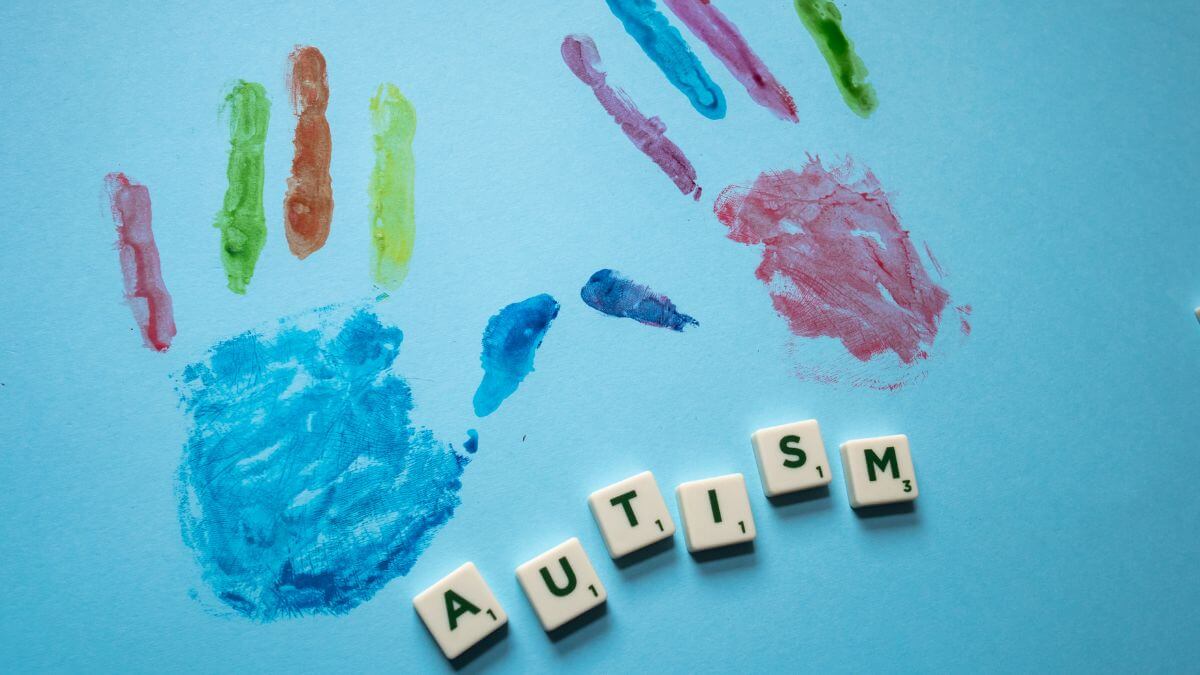
Autism is typically linked to children, but many adults live with the condition without ever being diagnosed. They have learned over the years to adapt and adjust to the condition, and in many cases, mask the symptoms. In everyday life, these signs are not always obvious. Instead, they show up in small patterns, preferences and responses that may have been misunderstood for years.
“Many adults with autism develop coping mechanisms that help them blend in, which is why the condition often goes unnoticed,” explains Dr Megha Agarwal, Consultant Psychiatrist, Kailash Deepak Hospital.
Difficulty with social communication
Perhaps one of the most overlooked signs is the subtle difficulty an individual experiences with social interactions. This can range from problems with small talk to problems with understanding social cues or interpreting facial and body language. Individuals may have a preference for written communication over verbal communication.
They may also come across as blunt or overly direct, not out of intent, but because social nuances are harder to interpret.
A strong need for routine
For many adults with autism, predictability can feel safe. Discomfort can be seen when there are changes in routines, whether it is a change in a travel route or even a change in daily habits. “A rigid schedule is not just a preference; it can be a way to manage overwhelming uncertainty,” notes Dr Agarwal.
Sensory sensitivity that feels like “stress”
Sensitivity to sounds, light, textures, or smells is yet another significant indicator. What other people might dismiss as a minor annoyance or discomfort might actually be overwhelming. For instance, noise, textures, or light might cause irritability or
tiredness, which might be misconstrued as stress.
tiredness, which might be misconstrued as stress.
Masking or ‘fitting in’ socially
Many adults with autism learn to “mask” their natural responses. This can involve forcing eye contact, rehearsing conversations or copying others’ behaviour in social situations. While it may help them navigate interactions, it often comes at the cost of mental exhaustion. “Masking can make someone appear socially comfortable, but internally it can be very draining,” explains Dr Agarwal.
Deep focus on specific interests
A subtle indicator is to have highly focused interests. Adults with autism may acquire special knowledge in certain areas. They may invest considerable time in exploring and understanding the areas. This may be both an asset and a trait.
Difficulty with planning and switching tasks
Another difficulty may be challenges in executing functions. This may include difficulties in organising, managing time, and switching from one task to another. Social interactions, such as large groups, can also be draining, with a subsequent need for solitude to recover from such interactions.
Recognising these behaviours is not about self-labelling, but rather self-awareness. For most adults, being able to understand these behaviours can be an initial step towards seeking guidance to develop better coping skills. Sometimes, what feels like “just the way you are” may have a deeper explanation, one that deserves both understanding and compassion.
Disclaimer: Tips and suggestions mentioned in the article are for general information purposes only and should not be construed as professional medical advice. Always consult your doctor or a dietician before starting any fitness programme or making any changes to your diet.
No Comments For This Post, Be first to write a Comment.
Most viewed from Health













Todays Epaper

English Weekly


AIMIM News








Latest Urdu News
Most Viewed
May 26, 2020
Which cricket team is your favourite to win the T20 World Cup 2026?
Latest Videos View All
.jpg)
.jpg)
.jpg)



Like Us
Home
About Us
Advertise With Us
All Polls
Epaper Archives
Privacy Policy
Contact Us
Download Etemaad App
© 2026 Etemaad Daily News, All Rights Reserved.