




Thalassemia and haemoglobin disorders can go unnoticed without genetic testing, warns doctor
Wed 10 Dec 2025, 01:27:46
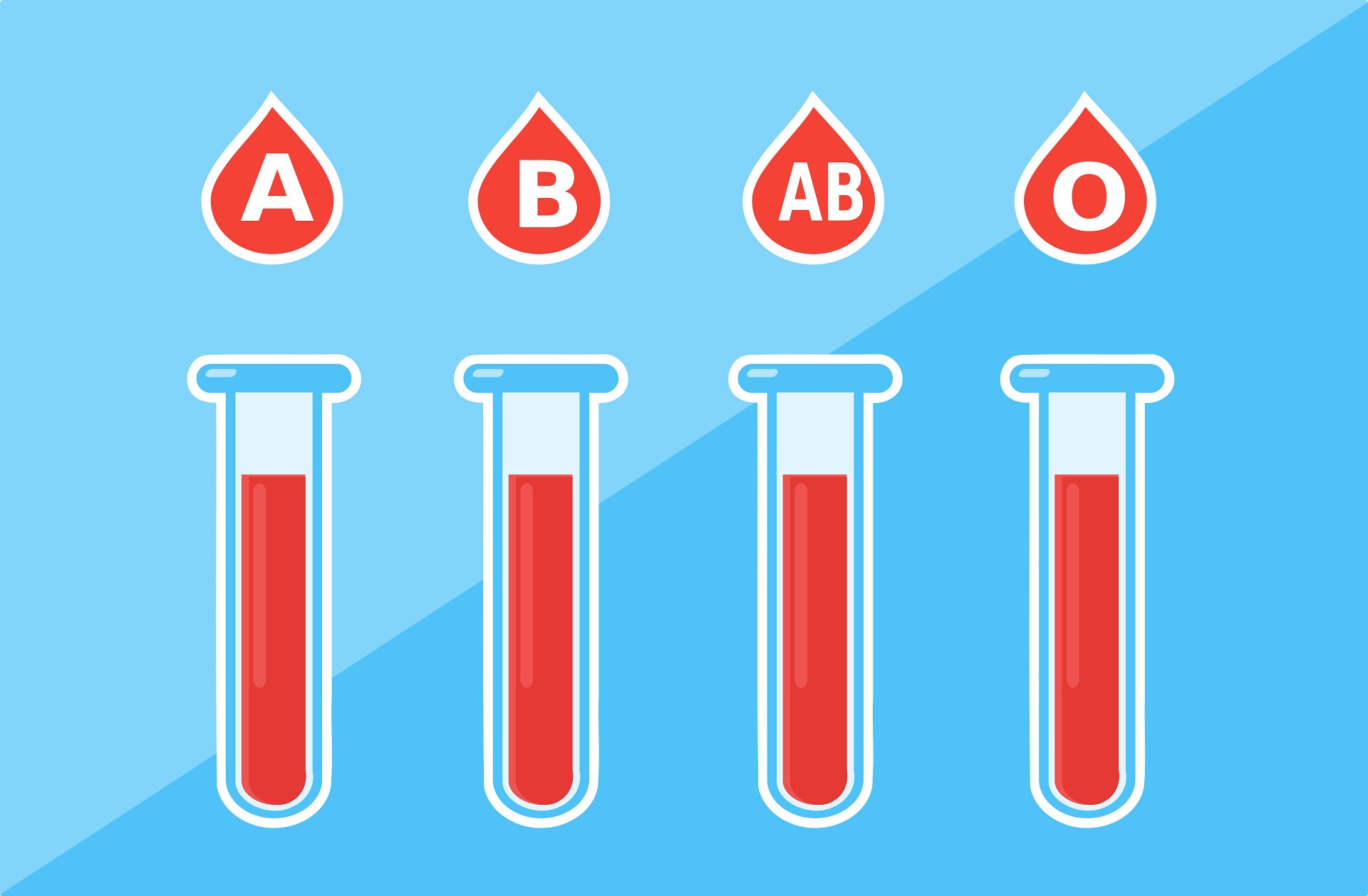
It is concerning that many people have experienced problems with haemoglobin due to haemoglobinopathies (genetically altered and/or synthesised mutations), and that most hemoglobinopathies are missed due to having very few symptoms. Examples include that many people with sickle cell trait are often not identified as carriers of sickle cell trait. Because of this, those who've experienced issues with sickle cell trait must be screened at the time of pregnancy.
Inherited Haemoglobinopathies can have abnormal levels of haemoglobin. Simple blood tests may identify anaemia; however, most basic tests will not be able to identify the actual genetic defect associated with this disorder. Unfortunately, this results in delays of diagnosis and lost opportunities for both counselling and preventive health care. Accurate and definitive identification of individuals with a thalassemia trait and/or an inherited form of a hemoglobinopathy requires the use of specialised diagnostic tests (e.g., Haemoglobin Electrophoresis, HPLC Testing, and Genetic Mutation Testing).
When two individuals are both known to have the Thalassemia Trait, there is a 25 % probability that when they have a child together, the child may inherit the Thalassemia Major, a debilitating and chronic disease requiring regular blood transfusions throughout one's life. Performing simple screening tests for both partners before the time the child is born will allow the parents to take advantage of the benefits associated with counselling, planning, and obtaining timely access to medical care for their child if necessary.
Dr Abhik Banerjee said, "Routine blood tests often miss haemoglobin disorders, which is why we advise more specific tests for accurate diagnosis. Tests like
Haemoglobin Electrophoresis help us separate and study different types of haemoglobin to see if a person carries an abnormal form. HPLC is even more precise and gives a clear picture of all haemoglobin components, making it easier to identify silent carriers. In some cases, we also recommend genetic mutation analysis, which checks the DNA directly to confirm the exact mutation responsible for the condition. These tests guide us in offering the right counselling to individuals and couples. If both partners are carriers, there is a 25% chance of having a child with Thalassemia Major, a lifelong and serious condition. This is why premarital and pre-pregnancy screening is extremely important. With awareness and timely testing, families can prevent avoidable suffering and make informed decisions about their future."
Haemoglobin Electrophoresis help us separate and study different types of haemoglobin to see if a person carries an abnormal form. HPLC is even more precise and gives a clear picture of all haemoglobin components, making it easier to identify silent carriers. In some cases, we also recommend genetic mutation analysis, which checks the DNA directly to confirm the exact mutation responsible for the condition. These tests guide us in offering the right counselling to individuals and couples. If both partners are carriers, there is a 25% chance of having a child with Thalassemia Major, a lifelong and serious condition. This is why premarital and pre-pregnancy screening is extremely important. With awareness and timely testing, families can prevent avoidable suffering and make informed decisions about their future."
Dr Banerjee Added, "With advancements in diagnostic technology and growing public health awareness, early detection of haemoglobin disorders is now easily achievable. Doctors stress that community outreach programs, routine screening drives, and counselling initiatives can significantly reduce the burden of undiagnosed cases. Hospitals also encourage individuals, especially those planning a family, to proactively opt for these specialised tests even in the absence of symptoms. Increasing public awareness and strengthening preventive screening can play a vital role in reducing the incidence of severe Thalassemia and helping future generations lead healthier, more informed lives."
Disclaimer: Tips and suggestions mentioned in the article are for general information purposes only and should not be construed as professional medical advice. Always consult your doctor or a dietician before starting any fitness programme or making any changes to your diet.
No Comments For This Post, Be first to write a Comment.
Most viewed from Health









Todays Epaper
English Weekly


AIMIM News







Latest Urdu News
Most Viewed
May 26, 2020
Which cricket teams will reach the IPL 2026 finals?
Latest Videos View All
.jpg)
.jpg)
.jpg)



Like Us
Home
About Us
Advertise With Us
All Polls
Epaper Archives
Privacy Policy
Contact Us
Download Etemaad App
© 2026 Etemaad Daily News, All Rights Reserved.