




Supreme Court's suggests a 16% markup cap on medicines has opened a fresh debate
Fri 02 Oct 2026, 01:09:00
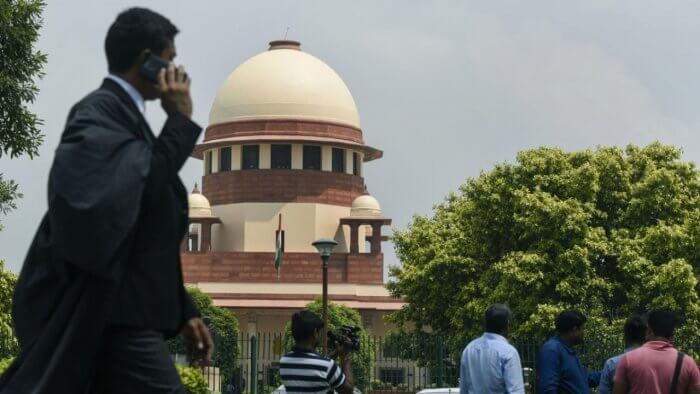
India’s drug-pricing system does not impose one uniform margin across all medicines. Instead, it operates through a mix of price controls for essential medicines and looser regulation for the much larger pool of non-scheduled drugs.
It is against this backdrop that the Supreme Court’s suggestion of applying a 16% retailer margin more widely has opened a fresh debate on how much room should exist between the price at which a medicine reaches the trade and the MRP paid by a patient.
The Court, while hearing a public interest litigation filed by transparency activist advocate Kishan Chand Jain and paediatrician Dr Sanjay Kulshrestha in 2023, last week asked the Centre to examine why the 16% retailer margin already
used in the pricing formula for controlled medicines could not be applied more broadly.
used in the pricing formula for controlled medicines could not be applied more broadly.
The Centre has been asked to respond, with the matter listed next for October 12.
The issue came up after the court was shown an example of a cancer medicine that was reportedly available to a retailer for around Rs 2,700 but carried an MRP of Rs 27,000, almost a ten-fold difference. Calling it 'dacoity in broad daylight', the court questioned how such a gap could arise and who ultimately benefited from it.
The question is being probed by the Court even as about 48% of healthcare expenditure in India remains out-of-pocket, with drug pricing often found in multiple studies as the leading component of the same.
No Comments For This Post, Be first to write a Comment.
Most viewed from Health






Todays Epaper

English Weekly


AIMIM News




Latest Urdu News
Most Viewed
Aug 02, 2026
Should UPI payments remain completely free for all transactions?
Like Us
Home
About Us
Advertise With Us
All Polls
Epaper Archives
Privacy Policy
Contact Us
Download Etemaad App
© 2026 Etemaad Daily News, All Rights Reserved.