




Summer heat can cause kidney stones in just 3 days, Here’s how to prevent it
Wed 29 Apr 2026, 00:33:38
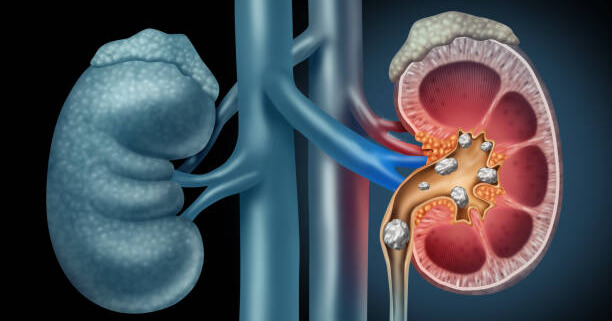
As temperatures rise across India, doctors are seeing a worrying trend: more people are landing in hospitals with kidney stones.
While many blame diet or genetics, one of the biggest triggers is something most people ignore: dehydration.
According to Dr Sanjeev Gulati, Chairman - Nephrology at Fortis Escorts, high temperatures increase the risk of kidney stones mainly because of excessive sweating. When the body loses water, urine becomes more concentrated.
This creates the perfect environment for minerals like calcium and oxalate to stick together and form crystals, which eventually turn into stones.
Experts say that kidney stone cases can rise sharply during the summer months. In fact, emergency visits related to kidney stones may increase by up to 30% when temperatures cross 27°C.
With global warming leading to longer and more intense heatwaves, this problem is expected to grow even further.
What makes it more concerning is how quickly stones can form. Doctors warn that even a few days of dehydration in extreme heat can trigger stone formation.
Sweat loss reduces urine volume, allowing minerals to settle and sometimes harden within just three days of exposure to high temperatures.
Regions in North India, often referred to as the “kidney stone belt,” are particularly vulnerable due to prolonged heat exposure. If left untreated, kidney stones can lead to serious complications, including infections, blockage of urine flow, and even chronic kidney disease.
The human body needs a steady balance of fluids to flush out waste. When you don’t drink enough water, especially in hot weather, urine becomes darker and more concentrated. This allows minerals to accumulate instead of being flushed out.
Over time, these minerals form crystals, which can grow into painful stones. The pain often starts suddenly and can be severe, affecting the back, side, or lower abdomen.
7 GOLDEN RULES TO PREVENT KIDNEY STONES
Doctors say prevention is simple and largely depends on daily habits. Here are seven key rules to follow:
1. Drink enough water
Aim for 2.5–3 litres of water daily (around 10–12 glasses). If you are outdoors or sweating more, increase your intake. A simple way to check hydration is by looking at your
urine—it should be pale yellow. Dark urine is a sign that you need more fluids.
urine—it should be pale yellow. Dark urine is a sign that you need more fluids.
2. Add lemon or lime to your water
Citrus fruits contain citric acid, which helps prevent stone formation by stopping crystals from sticking together.
3. Watch your diet
Limit salt, animal protein, and high-oxalate foods such as spinach, nuts, and chocolate. Experts say rock salt can be a better alternative in moderate amounts.
4. Cut down on sugary and salty drinks
Packaged juices, sodas, and energy drinks can increase the risk of stones. Also, avoid activities that cause excessive sweating without proper hydration, such as hot yoga.
5. Reduce fast food intake
Fast foods are often high in salt and unhealthy fats, which can contribute to stone formation.
6. Maintain a healthy weight
Obesity is linked to a higher risk of kidney stones, so regular exercise and a balanced diet are important.
7. Seek treatment when needed
Small stones (less than 10 mm) can often be treated with medication. Larger stones may require surgical procedures.
WHY YOU SHOULD NOT IGNORE KIDNEY STONES
Kidney stones are not just about pain. If ignored, they can block the urinary tract and cause infections. In severe cases, this can damage the kidneys permanently and lead to chronic kidney disease.
Doctors also warn that once you have had kidney stones, the risk of recurrence is high, up to 50% in many cases. This makes long-term prevention and regular check-ups extremely important.
WHEN TO SEE A DOCTOR
If you experience symptoms like sharp pain in the back or side, blood in urine, nausea, or difficulty urinating, do not ignore them. Early diagnosis can prevent complications and reduce the need for surgery.
For people who have had kidney stones before, consulting a nephrologist for a detailed evaluation can help identify the cause and prevent future episodes.
Summer heat is not just uncomfortable; it can quietly harm your kidneys if you are not careful. Staying hydrated, eating wisely, and paying attention to early warning signs can go a long way in preventing kidney stones.
With rising temperatures becoming the new normal, these small lifestyle changes are not just helpful; they are essential.
No Comments For This Post, Be first to write a Comment.
Most viewed from Health












Todays Epaper

English Weekly


AIMIM News








Latest Urdu News
Most Viewed
May 26, 2020
Which cricket teams will reach the IPL 2026 finals?
Latest Videos View All
.jpg)
.jpg)
.jpg)



Like Us
Home
About Us
Advertise With Us
All Polls
Epaper Archives
Privacy Policy
Contact Us
Download Etemaad App
© 2026 Etemaad Daily News, All Rights Reserved.