




Study finds people with Type 2 diabetes may raise the risk of severe dengue
Sat 25 Jul 2026, 00:11:19
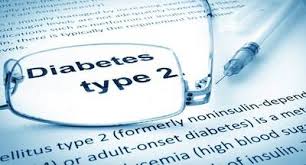
People living with Type 2 diabetes may face a significantly higher risk of developing severe dengue, according to a study. Researchers found that diabetes can increase the chances of complications such as dengue haemorrhagic fever and dengue shock syndrome, making timely diagnosis and careful management crucial.
The findings are supported by evidence published in the Journal of Infection and Public Health, which has also linked diabetes to poorer dengue outcomes.
According to Dr Vineet Kumar Surana, Consultant – Diabetes and Endocrinology, Manipal Hospital, Dwarka, New Delhi, diabetes affects the body's immune system, making it harder to fight infections like dengue.
"People with Type 2 diabetes often have an impaired immune response compared to the general population.
When immunity is compromised, the dengue virus becomes more dangerous, increasing the risk of severe dengue, dengue shock syndrome and dengue haemorrhagic fever," Dr Vineet said.
When immunity is compromised, the dengue virus becomes more dangerous, increasing the risk of severe dengue, dengue shock syndrome and dengue haemorrhagic fever," Dr Vineet said.
He explained that weakened immunity is the primary reason behind the increased risk. However, diabetes also causes endothelial dysfunction (damage to the lining of blood vessels) and platelet dysfunction, both of which can worsen dengue-related complications.
Dr Vineet said people with diabetes should not ignore a disproportionately fast pulse rate, difficulty breathing, severe abdominal pain or swelling of the limbs.
He added that a rapid fall in platelet count or a rise in haematocrit on blood tests are important warning signs that dengue may be progressing and require immediate medical attention.
No Comments For This Post, Be first to write a Comment.
Most viewed from Health









Todays Epaper

English Weekly


AIMIM News



Latest Urdu News
Most Viewed
Aug 02, 2026
Should India introduce stricter laws against AI-generated fake videos and images?
Like Us
Home
About Us
Advertise With Us
All Polls
Epaper Archives
Privacy Policy
Contact Us
Download Etemaad App
© 2026 Etemaad Daily News, All Rights Reserved.