




Study finds heartbeat may help shield the heart from cancer
Tue 28 Apr 2026, 01:34:13
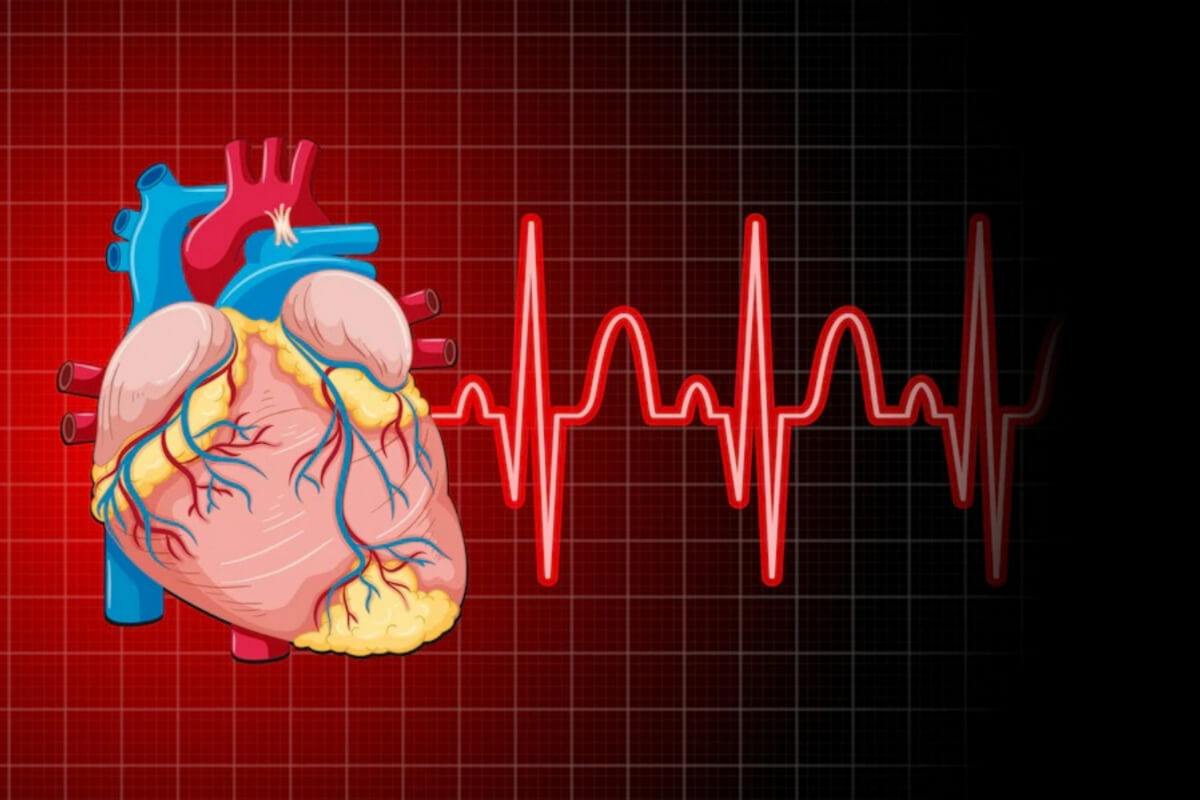
The human heart has long been seen as a tireless pump, beating over 100,000 times a day without pause. Now, scientists are uncovering a startling possibility: that relentless motion may also be quietly protecting it from cancer.
A new study suggests that the heart’s constant mechanical activity doesn’t just circulate blood – it may actively suppress tumour growth. Researchers have found that the physical forces generated by the heartbeat can alter how cancer cells behave at a genetic level, effectively keeping them from multiplying.
This could help explain a long-standing medical mystery. Heart cancer is exceptionally rare, especially compared to cancers in other organs.
Even more curious is that the adult human heart has very limited ability to regenerate itself, with only about 1 percent of its cells renewing each year. Yet despite this low turnover – a condition that typically increases cancer risk in other tissues – the heart remains remarkably resistant.
Scientists have long suspected that the heart’s demanding workload might play a role. Pumping blood continuously against pressure creates a mechanically intense environment, one that may discourage cells from dividing uncontrollably.
But until now, the exact mechanisms behind this protective effect remain unclear.
To investigate, researchers led by Giulio Ciucci turned to genetically engineered mice. Even after introducing powerful cancer-causing mutations, they observed that tumours struggled to form in heart tissue.
This resilience prompted a deeper question: was it the biology of the heart cells themselves, or the physical forces they experience, that made the difference?
To tease this apart, the team designed an unusual experiment. They transplanted a donor heart into the neck of a mouse – a setup that allowed the heart to receive blood but removed the normal mechanical strain of pumping. This “mechanically unloaded” heart provided a rare opportunity to observe what happens when the organ is freed from its usual workload.
The researchers then injected human cancer cells into both the unloaded transplanted heart and the mouse’s native, actively
beating heart.
beating heart.
The results were striking.
Tumours grew far more readily in the unloaded heart, while the actively beating heart consistently suppressed cancer cell growth. Across multiple experiments and cancer types, the pattern held: mechanical force appeared to act as a barrier against tumour development.
Digging deeper, the team discovered that these physical forces don’t just act externally – they reach into the very core of the cell. Mechanical stress appears to reshape how genes are regulated inside cancer cells, determining whether they can proliferate.
At the centre of this process is a protein called Nesprin-2. It acts like a molecular bridge, transmitting mechanical signals from the cell’s outer structure to its nucleus. Once there, these signals influence how DNA is packaged and accessed, altering gene activity.
In the high-pressure environment of a beating heart, Nesprin-2 helps reorganise chromatin – the complex of DNA and proteins – while also affecting chemical markers like histone methylation. Together, these changes dial down the activity of genes linked to tumour growth.
When researchers disabled Nesprin-2 in cancer cells, something remarkable happened: those cells regained their ability to grow, even inside the mechanically active heart.
Tumours began to form where they previously could not, underscoring the protein’s crucial role in translating physical force into genetic control.
The findings suggest that the heart’s resistance to cancer isn’t just a passive trait – it’s an active, force-driven defence system operating at the molecular level.
Beyond solving a biological puzzle, the research opens up intriguing possibilities for cancer treatment, pointed out an oncologist-researcher with the All India Institute of Medical Sciences (AIIMS), Delhi, who is not directly related to the research.
“If mechanical forces can suppress tumours in the heart, similar strategies might one day be used in other tissues. Therapies that mimic or enhance these physical cues could offer a new way to slow or stop cancer growth without relying solely on drugs or radiation,” he said.
No Comments For This Post, Be first to write a Comment.
Most viewed from Health












Todays Epaper

English Weekly


AIMIM News








Latest Urdu News
Most Viewed
May 26, 2020
Which cricket teams will reach the IPL 2026 finals?
Latest Videos View All
.jpg)
.jpg)
.jpg)



Like Us
Home
About Us
Advertise With Us
All Polls
Epaper Archives
Privacy Policy
Contact Us
Download Etemaad App
© 2026 Etemaad Daily News, All Rights Reserved.