




Study finds even a short break from social media can improve emotional wellbeing significantly
Wed 29 Apr 2026, 00:33:06
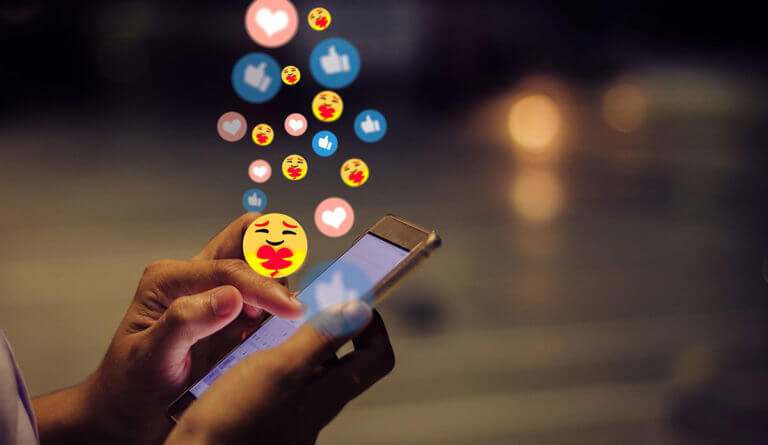
It starts almost unconsciously - waking up and reaching for your phone, scrolling through reels while walking, or checking notifications mid-conversation. What feels like a harmless habit is quietly affecting how we think, feel, and connect.
New findings from Stanford University suggest that even a short-term break from social media can significantly improve emotional well-being.
In a large-scale experiment involving over 35,000 participants, researchers asked people to completely log out of platforms like Instagram, Facebook, and TikTok, not just reduce usage, but stop entirely.
The outcome was astounding.
Participants reported:
. Lower stress and anxiety
. Better focus and attention
. More time for offline activities
. A greater sense of control over their day
In short, stepping away even temporarily helped people feel calmer and more present.
WHY SOCIAL MEDIA AFFECTS THE MIND
The issue isn’t just screen time, it’s how deeply social media is woven into everyday life, says psychiatrist Dr. Samir Parikh.
“From the moment we wake up to the time we go to bed, many of us are scrolling without purpose. It becomes a habit rather than a conscious choice,” he explains.
This constant, mindless engagement can disrupt attention and focus, interfere with daily routines, reduce the quality of real-life interactions, and create a sense of mental clutter.
Over time, this can leave people feeling distracted, irritable, and mentally drained.
SLEEP, RELATIONSHIPS, AND FOCUS
Many users themselves recognise the impact. Some report feeling “mentally irritated” after prolonged scrolling, while others say it disrupts their sleep cycle or eats into productive
hours.
hours.
The problem is not just the time spent, but what it replaces. Scrolling comes at the cost of sleep, face-to-face social time, work or study and relaxation that actually refreshes the mind.
WHY QUITTING IS SO DIFFICULT
If stepping away feels so good, why is it so hard? This is because social media platforms are designed to keep users engaged.
Endless feeds, personalised content, and constant notifications create a loop that’s difficult to break.
“It’s no longer just a habit, it’s a designed dependency,” the report suggests.
This explains why, even when people want to quit, many struggle to stay off apps for more than a few days.
MORE THAN BANS: THE NEED FOR AWARENESS
As some countries consider restricting social media access for children, mental health experts caution that bans alone won't solve the problem.
The deeper issue lies in behaviour and awareness.
Dr. Parikh suggests starting with simple self-reflection:
. Ask yourself: Why am I using this right now?
. Notice whether you’re choosing content—or just consuming what appears
. Track how much time you actually spend scrolling
. Identify what you might be missing out on instead
From there, small changes can make a big difference:
. Set time limits
. Keep phones away during meals or conversations
. Be fully present in offline activities
“You don’t have to call it a detox,” he says. “Think of it as mindful engagement—being fully present in whatever you do.”
The idea of quitting social media entirely can feel unrealistic for many but even a short break can create space, space to think clearly, connect meaningfully, and regain control over your time.
No Comments For This Post, Be first to write a Comment.
Most viewed from Health













Todays Epaper

English Weekly


AIMIM News







Latest Urdu News
Most Viewed
May 26, 2020
Which cricket teams will reach the IPL 2026 finals?
Latest Videos View All
.jpg)
.jpg)
.jpg)


Like Us
Home
About Us
Advertise With Us
All Polls
Epaper Archives
Privacy Policy
Contact Us
Download Etemaad App
© 2026 Etemaad Daily News, All Rights Reserved.