




Shrimp virus jumps to humans, causing rare eye disease in China
Sat 11 Apr 2026, 00:53:04
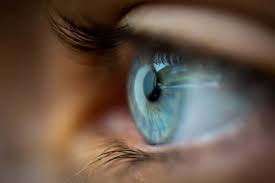
A virus normally found in marine animals such as shrimp and fish has now been linked to a chronic eye disease in humans, according to a new study published in the journal Nature Microbiology.
Scientists say the discovery could help explain a mysterious eye condition that has been rising in parts of China in recent years.
The disease, called persistent ocular hypertension viral anterior uveitis (POH-VAU), causes severe inflammation in the eye and dangerously high eye pressure. If untreated, it can damage the optic nerve and threaten vision.
A MYSTERY EYE DISEASE
Doctors had been puzzled by the growing number of cases. People with the condition repeatedly tested negative for common viruses known to infect the eye, such as herpes or shingles.
But researchers noticed something unusual when examining eye tissue from some patients. Under the microscope, they saw tiny virus-like particles that looked very similar to covert mortality nodavirus (CMNV) — a virus usually found in aquatic animals like shrimp.
This raised an important question: Could a virus from the sea be infecting humans?
WHAT THE SCIENTISTS FOUND
To investigate, researchers studied 70 patients diagnosed with the condition between January 2022 and April 2025.
During eye surgeries, they collected tissue samples and examined them using powerful electron microscopes. The team detected virus particles about 25 nanometres in size, matching the appearance of CMNV.
These particles were not found in healthy volunteers who served as the control group.
To confirm their suspicion, scientists used a specialised antibody that binds only to CMNV. When they analysed the virus’s genetic material, the results showed a 98.96% match with the CMNV strain found in aquatic animals.
“This study reveals that an aquatic animal virus is associated with an emerging human disease,” the researchers wrote.
HOW DID THE VIRUS REACH HUMANS?
Researchers
interviewed participants about their daily habits. They found that nearly three-quarters of the patients had regular contact with raw seafood.
interviewed participants about their daily habits. They found that nearly three-quarters of the patients had regular contact with raw seafood.
Many reported handling aquatic animals without gloves, while others frequently ate raw seafood.
“Frequent unprotected processing of aquatic animals and consumption of raw aquatic animals were commonly reported exposure events,” the researchers noted.
This suggests the virus may enter the body through small cuts in the skin or through other forms of exposure during food preparation.
PROVING THE LINK
To ensure the virus was actually causing the disease, and not just present in the eye, the researchers carried out further experiments.
They infected cells in the laboratory and also exposed mice to the virus. The animals developed symptoms similar to those seen in human patients, including raised eye pressure.
This helped strengthen the evidence that the virus plays a direct role in the disease.
SHOULD WE BE WORRIED?
To explore this, scientists looked at where the virus has been detected worldwide. Their survey found CMNV in at least 49 species of aquatic animals, including crabs and mollusks.
These infected species have been reported across Asia, Africa, Europe, Antarctica and the Americas.
The researchers say this widespread presence means the virus has the potential to appear in other regions as well.
While experts say there is no reason for panic, the study highlights the importance of safe seafood handling practices.
Using gloves when cleaning raw seafood, washing hands thoroughly and properly cooking seafood could help reduce the risk of exposure.
The discovery also opens a new chapter in infectious disease research.
Viruses that once seemed limited to animals in the sea may, in rare cases, find ways to infect humans — reminding scientists that the boundary between species is not always as firm as once believed.
No Comments For This Post, Be first to write a Comment.
Most viewed from Health

.jpg)









Todays Epaper

English Weekly


AIMIM News








Latest Urdu News
Most Viewed
May 26, 2020
Which cricket teams will reach the IPL 2026 finals?
Latest Videos View All
.jpg)
.jpg)
.jpg)



Like Us
Home
About Us
Advertise With Us
All Polls
Epaper Archives
Privacy Policy
Contact Us
Download Etemaad App
© 2026 Etemaad Daily News, All Rights Reserved.