




Shingles vaccine found to lower risk of heart diseases, strokes: Study
Fri 28 Aug 2026, 00:41:01
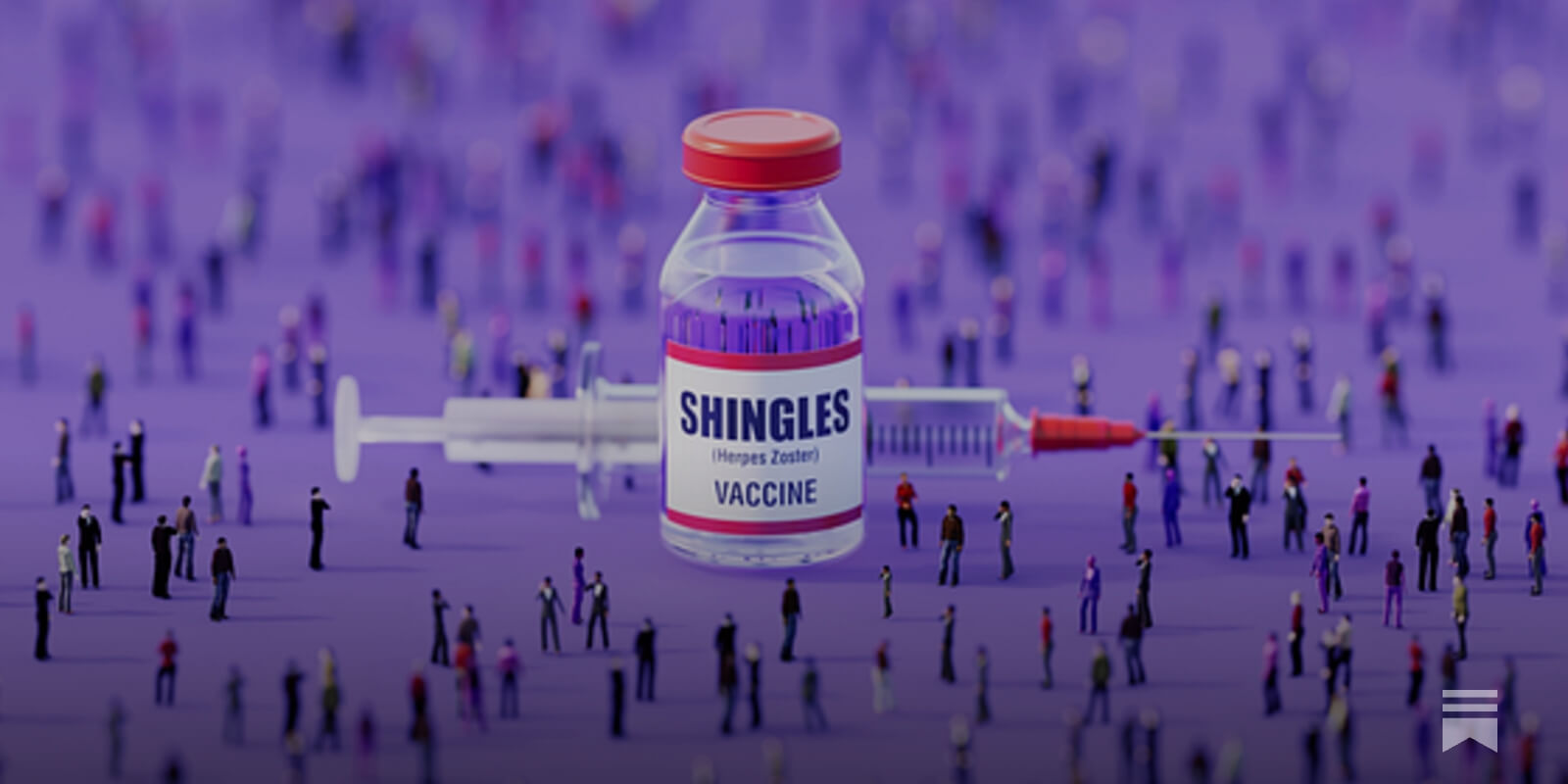
Shingles vaccine that is primarily used to prevent the painful rash and nerve complications caused by virus herpes zoster may also be linked to a lower risk of cardiovascular disease and serious circulatory events, according to a new study published in Nature Medicine.
The study found that older adults who received the recombinant shingles vaccine, currently the only available vaccine against the condition worldwide, had a lower burden of cardiovascular events than those who received the older live vaccine.
The vaccine is typically indicated for those above 50 years of age.
And the new suggestion has clinicians and scientists excited. Cardiologist and scientist Dr Eric Topol, commenting on the findings on X, said earlier research had already linked shingles vaccination with some protection against dementia and Alzheimer’s disease. He said the new evidence broadens that picture, with roughly a 10% reduction seen in conditions including stroke, heart failure, ischaemic heart disease and atrial fibrillation.
The latest findings come months after another observational study suggested that shingles vaccination could be associated with slower biological ageing.
That earlier evidence involved Zostavax, the older vaccine made by US-based pharma giant Merck, which has now been discontinued as the newer shingles vaccine, Shingrix, made by UK-headquartered GSK, entered markets in many countries, including India.
Zostavax was a live-attenuated vaccine, containing part of the pathogen as compared to Shingrix, which uses genetically engineered parts of the shingles-causing virus.
The study examined what researchers described as a natural experiment in the US, where vaccination shifted quickly from the older live-attenuated vaccine, Zostavax, to the recombinant vaccine, Shingrix, in 2017.
Rather than comparing people who
chose vaccination with those who did not, the researchers compared people vaccinated immediately before and after the transition. They said this helped reduce the healthy-vaccinee bias that can make vaccinated people appear healthier for reasons unrelated to vaccination.
chose vaccination with those who did not, the researchers compared people vaccinated immediately before and after the transition. They said this helped reduce the healthy-vaccinee bias that can make vaccinated people appear healthier for reasons unrelated to vaccination.
Researchers analysed matched groups of 36,460 adults aged 60 and above who were vaccinated in 2017 and 2018. Those who predominantly received the recombinant vaccine had a 9% lower cardiovascular burden over seven years, which translated into 9% more time without a cardiovascular diagnosis.
The reduction was more pronounced for some individual conditions. Ischaemic heart disease was associated with a 10% lower burden, while heart failure showed a 12% reduction. Among men, ischaemic stroke was associated with a 12% reduction.
The study also found a 7% lower burden of atrial fibrillation. The association was stronger during the first half of follow-up and weakened later. The researchers did not find similar reductions for haemorrhagic stroke, peripheral arterial disease or myocarditis.
The authors said the findings do not mean Shingrix should be considered a heart or stroke vaccine. The study was based on electronic health records and, despite its design, cannot establish that the vaccine directly caused the reduction. They said randomised clinical trials and laboratory studies are needed to establish causality.
One possible explanation offered in the study is the link between shingles, inflammation and cardiovascular health. Reactivation of the varicella-zoster virus may contribute to inflammatory and vascular stress. Another possibility is that Shingrix itself has broader immune effects.
The vaccine contains the AS01 adjuvant, which can alter immune-cell responses and inflammatory signalling, including pathways involving interleukin-6, a molecule linked to cardiovascular risk.
No Comments For This Post, Be first to write a Comment.
Most viewed from Health




Todays Epaper

English Weekly


AIMIM News




Latest Urdu News
Most Viewed
Aug 02, 2026
Should UPI payments remain completely free for all transactions?
Like Us
Home
About Us
Advertise With Us
All Polls
Epaper Archives
Privacy Policy
Contact Us
Download Etemaad App
© 2026 Etemaad Daily News, All Rights Reserved.