




Serum Institute joins race for Bundibugyo Ebola vaccine as outbreak widens
Sun 24 May 2026, 00:46:52
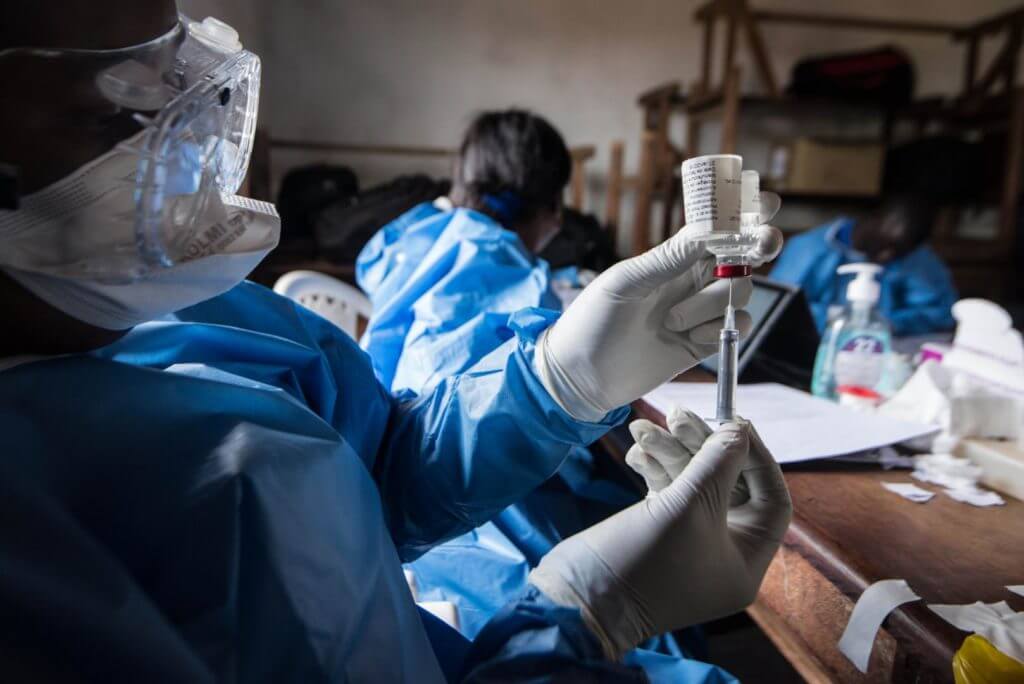
The world is once again confronting the terrifying spectre of Ebola, but this time the enemy is a lesser-known and poorly understood strain for which no approved vaccine exists. As the Bundibugyo virus spreads across parts of the Democratic Republic of the Congo (DRC) and Uganda, global health agencies are scrambling to accelerate vaccine development before the outbreak spirals further out of control.
Also joining this urgent effort is India?s Serum Institute of India (SII), the world?s largest vaccine manufacturer, which is now positioning itself as a critical player in the race to produce doses of a promising experimental vaccine based on the ChAdOx platform developed with the University of Oxford, UK.
The outbreak has already triggered alarm bells across international health networks.
According to the latest figures released by the DRC and Uganda Ministries of Health, there have been 575 suspected cases, 51 confirmed infections, and 148 suspected deaths linked to the
Bundibugyo strain of Ebola. The spread into Kampala has heightened fears of cross-border transmission in densely populated urban areas.
Bundibugyo strain of Ebola. The spread into Kampala has heightened fears of cross-border transmission in densely populated urban areas.
The World Health Organization has declared the outbreak a Public Health Emergency of International Concern, while the Africa Centres for Disease Control and Prevention has labelled it a Public Health Emergency of Continental Security.
Yet despite the escalating crisis, there is still no licensed vaccine or therapeutic specifically designed for the Bundibugyo species of Ebola.
That gap in global preparedness is now driving an unprecedented push involving governments, vaccine alliances, research institutions and pharmaceutical manufacturers.
WHO adviser Dr Vasee Moorthy recently warned that it could take up to nine months before a vaccine against this particular Ebola species is ready for deployment.
Two experimental vaccine candidates are currently under consideration, but neither has entered clinical trials.
No Comments For This Post, Be first to write a Comment.
Most viewed from Health









Todays Epaper

English Weekly


AIMIM News




Latest Urdu News
Most Viewed
Aug 02, 2026
Should India introduce stricter laws against AI-generated fake videos and images?
Like Us
Home
About Us
Advertise With Us
All Polls
Epaper Archives
Privacy Policy
Contact Us
Download Etemaad App
© 2026 Etemaad Daily News, All Rights Reserved.