




Scientists develop drug that may regrow knee cartilage and stop arthritis
Thu 08 Jan 2026, 00:33:32
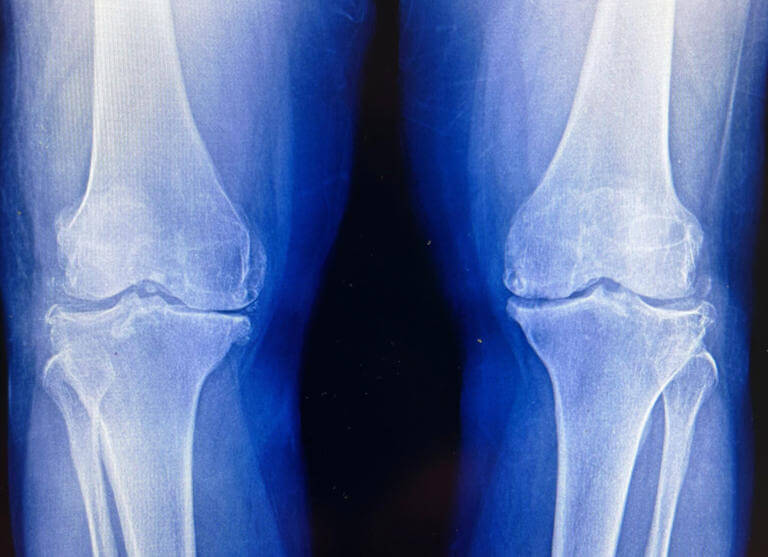
If your knees crack when you climb stairs or ache long after a workout, there may be good news ahead. Stanford Medicine researchers have developed a drug that could change how doctors treat joint damage, especially in ageing knees.
Their findings, published in the journal Science, suggest it could be possible to regenerate knee cartilage without surgery.
Cartilage is the smooth tissue that cushions the ends of bones in a joint. As people age, this tissue slowly wears down.
Once damaged, cartilage usually does not repair itself, which is why conditions like osteoarthritis worsen over time and lead to joint replacement surgery.
WHAT DID THE RESEARCHERS DO?
The Stanford team focused on a protein called 15-PGDH. As we grow older, the levels of this protein increase in knee cartilage, almost doubling with age.
The problem is that 15-PGDH breaks down prostaglandin E2, a substance that helps cartilage stay healthy and repair itself.
In simple terms, this protein blocks the joint’s natural healing ability.
When researchers blocked 15-PGDH in older mice, they saw striking results. The cartilage did not just stop thinning, it actually grew back.
The joint surface became thicker, and the animals moved more easily. Importantly, this repair happened without stem cells or surgery. The existing
cartilage cells were “reawakened” to behave like younger cells again.
cartilage cells were “reawakened” to behave like younger cells again.
The researchers then tested the same approach on human knee tissue taken from patients undergoing knee replacement surgery. After one week of treatment with a 15-PGDH inhibitor, the tissue showed signs of new cartilage formation and less damage.
According to study co-author Nidhi Bhutani, the regeneration seen was stronger than with any other drug tested so far.
KNEE CARTILAGE REGENERATION PREVENTS ARTHRITIS
In another experiment, mice with ligament injuries similar to ACL tears received injections twice a week for four weeks. These mice did not go on to develop arthritis, unlike untreated mice.
This finding could be especially important for people who injure their knees during sports or exercise.
This treatment is not yet available for patients. The drug that blocks 15-PGDH is currently in early-stage (Phase 1) clinical trials for age-related muscle weakness, and early results are encouraging.
The technology has been licensed to a biotech company called Epirium Bio, co-founded by lead researcher Helen Blau. The company plans to start trials focused on cartilage and arthritis.
If successful, this approach could help millions of people with knee pain and arthritis, and possibly delay or avoid the need for joint replacement surgery altogether.
No Comments For This Post, Be first to write a Comment.
Most viewed from Health



.jpg)









Todays Epaper

English Weekly


AIMIM News








Latest Urdu News
Most Viewed
May 26, 2020
Which cricket teams will reach the IPL 2026 finals?
Latest Videos View All
.jpg)
.jpg)
.jpg)



Like Us
Home
About Us
Advertise With Us
All Polls
Epaper Archives
Privacy Policy
Contact Us
Download Etemaad App
© 2026 Etemaad Daily News, All Rights Reserved.