




Rusty and broken knives can spread diseases, says FSSAI
Thu 18 Jun 2026, 01:30:43
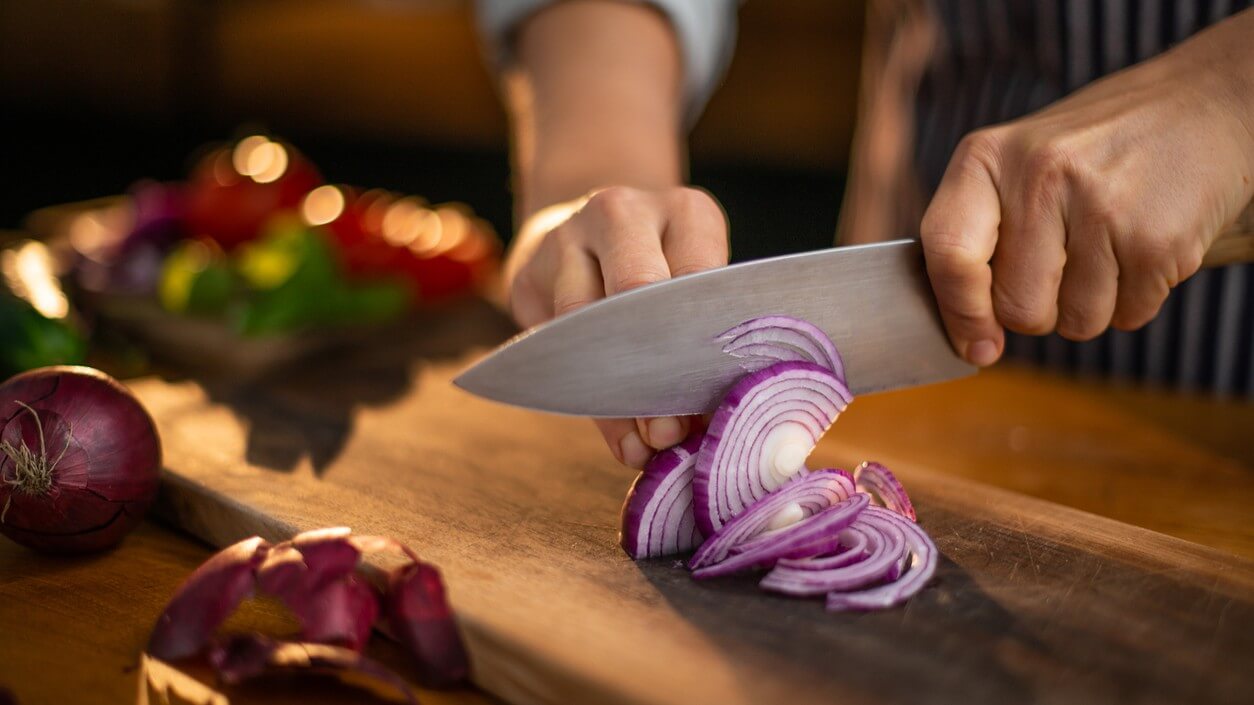
Food safety has become a major concern in India as authorities continue to tighten regulations to protect public health. In a recent move, the Food Safety and Standards Authority of India (FSSAI) has issued a strict advisory to food businesses, restaurants, cafes, catering services, and food manufacturers across the country. The regulator has directed all food establishments to immediately stop using rusty, broken, chipped, or damaged knives and blades in kitchens and food-processing units.
According to FSSAI, kitchen tools that come into direct contact with food must be clean, food-grade, non-toxic, and properly maintained at all times. The authority observed that many food businesses are still using old and damaged cutting tools, increasing the risk of food contamination. Such practices can expose consumers to harmful bacteria, physical contaminants, and chemical hazards.
The latest warning is part of FSSAI’s broader effort to improve food hygiene standards and ensure that food served to the public remains safe. Officials have also instructed food safety commissioners and inspectors in all states to closely monitor compliance and take action against businesses that violate the rules.
WHY HAS FSSAI ISSUED THIS WARNING?
FSSAI stated that several food establishments continue to use poor-quality knives and cutting equipment despite existing food safety regulations. Under Schedule 4 of the Food Safety and Standards Regulations, 2011, all utensils and equipment that come into contact with food must be made from food-grade materials and should not release harmful substances into food.
The regulator has emphasized that kitchen equipment must be cleaned, sanitized, and inspected regularly. Any knife or blade showing signs of rust, cracks, chips, peeling paint, or physical damage must be removed and replaced immediately.
The goal of the directive is to prevent both physical and chemical contamination during food preparation, processing, packaging, and storage.
HOW CAN RUSTY KNIVES AFFECT HEALTH?
Many people think rust on a knife is only a cosmetic issue, but experts warn that it can pose serious health risks. When metal surfaces begin to rust, they become rough and porous. These tiny pores can trap moisture, food particles, and harmful microorganisms.
As a result,
dangerous bacteria such as Salmonella and E. coli can grow on the surface of rusty knives. Even regular washing may not completely remove bacteria hidden inside these microscopic spaces. If contaminated knives are used repeatedly, the bacteria can transfer to food and eventually reach consumers.
dangerous bacteria such as Salmonella and E. coli can grow on the surface of rusty knives. Even regular washing may not completely remove bacteria hidden inside these microscopic spaces. If contaminated knives are used repeatedly, the bacteria can transfer to food and eventually reach consumers.
This increases the risk of foodborne illnesses, including food poisoning, stomach infections, diarrhea, vomiting, and other digestive problems.
RISK OF PHYSICAL AND CHEMICAL CONTAMINATION
Apart from bacterial contamination, damaged knives can create other food safety problems. Small metal fragments from chipped or broken blades may accidentally mix with food. These fragments can cause injuries if swallowed and may also damage teeth.
Similarly, rust particles and peeling paint from old kitchen tools can enter food during preparation. Such contamination may affect food quality and pose additional health risks to consumers.
Food experts note that preventing contamination at the preparation stage is one of the most effective ways to ensure food safety.
WHAT FOOD BUSINESSES MUST DO
To comply with FSSAI guidelines, food businesses should:
. Inspect knives and cutting tools regularly.
. Remove rusty, broken, chipped, or damaged blades immediately.
. Use only food-grade and non-toxic equipment.
. Clean and sanitize knives after every use.
. Store kitchen tools in clean and dry conditions.
. Train staff on proper food hygiene and equipment maintenance.
. Maintain records of cleaning and replacement schedules.
Regular maintenance not only improves food safety but also helps businesses meet regulatory standards.
STRICT MONITORING AND POSSIBLE ACTION
FSSAI has instructed food safety officials across the country to conduct inspections and ensure compliance with the new directive. Restaurants, cafes, food manufacturers, and other food businesses found using unsafe kitchen tools may face regulatory action.
The authority has made it clear that food safety cannot be compromised. Businesses that fail to follow the guidelines could face penalties and other legal consequences under food safety laws.
No Comments For This Post, Be first to write a Comment.
Most viewed from Health









Todays Epaper

English Weekly


AIMIM News




Latest Urdu News
Most Viewed
Aug 02, 2026
Should children under 16 be restricted from using social media?
Like Us
Home
About Us
Advertise With Us
All Polls
Epaper Archives
Privacy Policy
Contact Us
Download Etemaad App
© 2026 Etemaad Daily News, All Rights Reserved.