




QR codes must on vaccines, antibiotics, cancer drugs to counter fake menace
Thu 25 Jun 2026, 23:16:51
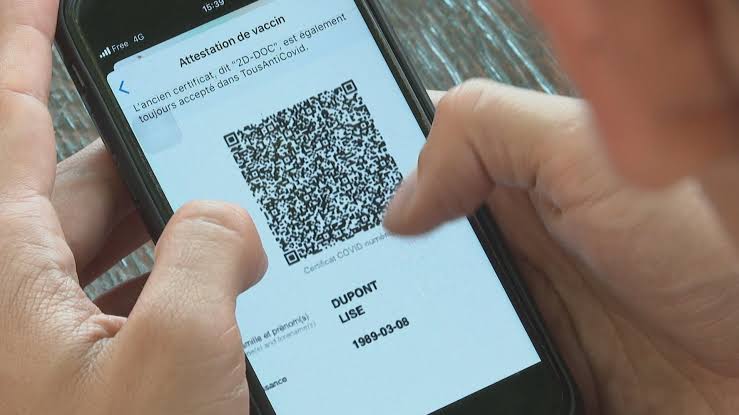
The Centre has made barcode or quick response (QR) codes mandatory on a wide range of critical medicines, including vaccines, antibiotics, anti-cancer drugs, and psychotropic medicines, in a major push to strengthen drug safety and crack down on the growing menace of counterfeit medicines in India.
The Union health ministry on Thursday said it has notified amendments to the Drugs Rules, 1945, significantly expanding the scope of the country's track-and-trace system for pharmaceuticals.
The move brings all vaccines, antimicrobials, anti-cancer medicines, and narcotic and psychotropic drugs covered under the Narcotic Drugs and Psychotropic Substances (NDPS) Act, 1985 under Schedule H2 of the Drugs Rules.
Under the revised framework, manufacturers will be required to print or affix the code on the primary packaging of these medicines. In cases where space is insufficient, the code can be placed on the secondary packaging. The digital code will allow consumers, pharmacists, distributors, and regulators to verify the authenticity of medicines at various points in the supply chain.
It will store detailed product information, including a unique product identification code, generic and brand names, manufacturer details, batch number, manufacturing and expiry dates, manufacturing licence number, and details of excipients wherever applicable.
The government said the measure is aimed at improving transparency and enabling easy verification of medicines, helping consumers confirm that a product is genuine and not counterfeit or
substandard.
substandard.
However, recognising the scale of implementation required across the pharmaceutical industry, the government has provided staggered timelines for compliance. Manufacturers of vaccines, anti-cancer medicines, and narcotic and psychotropic drugs will have to comply with the new labelling requirements from July 1, 2027. For antimicrobials, including antibiotics, the QR code mandate will come into force a year later, from July 1, 2028.
The development comes against the backdrop of increasing concerns over fake medicines entering the market, posing serious risks to patient safety and public health.
Until now, QR code-based identification was mandatory only for the country's top 300 pharmaceutical brands. The latest amendment dramatically widens the net, covering entire categories of high-risk and widely used medicines.
Officials believe the expanded traceability framework will make it more difficult for counterfeit products to infiltrate the supply chain while improving regulatory oversight.
The enhanced system is also expected to support India's efforts to combat Anti-Microbial Resistance (AMR), a growing public health challenge.
By enabling better tracking and identification of counterfeit or poor-quality antimicrobial products, authorities hope to ensure that patients receive effective and safe treatments.
The move marks one of the most significant expansions of India's pharmaceutical authentication framework and is expected to strengthen consumer confidence while enhancing the integrity of the country's drug supply chain.
No Comments For This Post, Be first to write a Comment.
Most viewed from Health









Todays Epaper

English Weekly


AIMIM News




Latest Urdu News
Most Viewed
Aug 02, 2026
Should UPI payments remain completely free for all transactions?
Like Us
Home
About Us
Advertise With Us
All Polls
Epaper Archives
Privacy Policy
Contact Us
Download Etemaad App
© 2026 Etemaad Daily News, All Rights Reserved.