




Prediabetes remission may cut heart attack and early death risk by 50 per cent: Lancet report
Tue 16 Dec 2025, 01:23:39
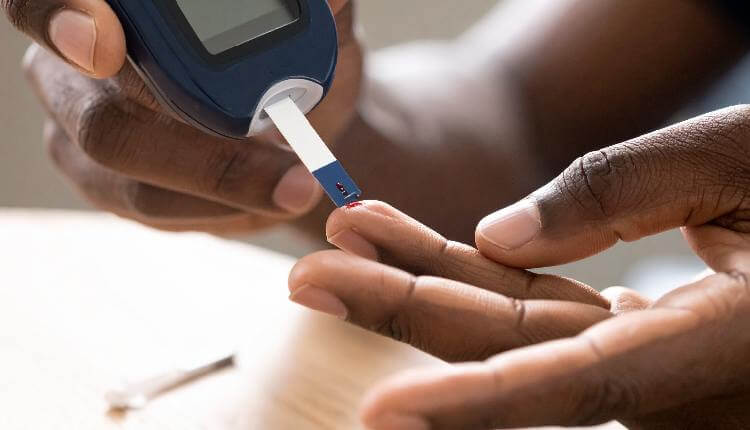
Prediabetes is often described as a warning sign, not quite diabetes, but not harmless either. Now, a major new study suggests that bringing blood glucose back to the normal range through lifestyle changes could cut the risk of heart attack, heart failure and premature death by nearly half.
The findings, published in The Lancet Diabetes & Endocrinology, point to something powerful: prediabetes doesn’t have to be a one-way road. Let's talk in details about the findings.
What does “prediabetes remission” actually mean?
Prediabetes remission simply means bringing blood sugar levels back into the normal range before diabetes develops. In this research, scientists found that a fasting blood glucose level below 97 mg/dL was a strong marker of long-term protection against heart disease. Crucially, this benefit appeared regardless of age, weight or ethnic background.
In other words, normalising blood sugar early can reset long-term health risk.
How big was the benefit?
The numbers are hard to ignore.
Researchers analysed long-term data from more than 2,400 people with prediabetes, drawing from two major population studies:
. A US study that followed participants for 20 years
. A China-based study that tracked people for 30 years
Those who achieved remission of prediabetes saw:
. Around 50% lower risk of cardiovascular death
. A significantly reduced risk of heart failure
. Lower overall mortality over decades
This wasn’t a short-term win, the benefits lasted years.
Why blood sugar matters for the heart
Cardiovascular prevention has traditionally focused on three pillars:
. Controlling blood pressure
. Lowering LDL (“bad”) cholesterol
. Avoiding smoking
This study suggests it may be time to add a fourth pillar: sustained normalisation of blood glucose in
prediabetes.
prediabetes.
High blood sugar, even before diabetes sets in, can quietly damage blood vessels, increase inflammation and strain the heart. Correcting it early appears to protect the cardiovascular system long before serious disease develops.
Lifestyle changes, not miracle drugs
One of the most important takeaways is that remission was achieved through lifestyle changes, not extreme medical interventions.
While the study didn’t focus on specific diets or exercise plans, decades of evidence shows that:
. Regular physical activity
. Balanced, lower-sugar diets
. Weight management
. Better sleep and stress control
...can all help bring blood glucose back to safer levels in people with prediabetes.
This makes the findings especially relevant for primary care worldwide, where simple, measurable targets are easier to apply than complex treatment plans.
A new target for future health guidelines?
According to lead author Dr Andreas Birkenfeld, the implications are long-term and practical.
“Our results suggest that remission of prediabetes not only delays or prevents the onset of type 2 diabetes, but also protects people from serious cardiovascular diseases in the long term, over the span of decades,” he said.
The researchers argue that explicitly targeting remission, not just “slowing progression,” should become part of future guidelines for preventing diabetes and heart disease.
Why is this hopeful news for millions
Prediabetes affects millions of people worldwide, often without obvious symptoms. This study reframes it not as a ticking time bomb, but as a clear intervention window.
Normalising blood sugar early doesn’t just delay diabetes, it may buy decades of heart health. Sometimes, prevention isn’t about doing more. It’s about acting sooner, while the body is still ready to recover.
No Comments For This Post, Be first to write a Comment.
Most viewed from Health












Todays Epaper

English Weekly


AIMIM News







Latest Urdu News
Most Viewed
May 26, 2020
Which cricket team is your favourite to win the T20 World Cup 2026?
Latest Videos View All
.jpg)
.jpg)
.jpg)



Like Us
Home
About Us
Advertise With Us
All Polls
Epaper Archives
Privacy Policy
Contact Us
Download Etemaad App
© 2026 Etemaad Daily News, All Rights Reserved.