




Patients who suffer heart attack have more micro and nanoplastic in their blood: Study
Fri 17 Jul 2026, 01:16:55
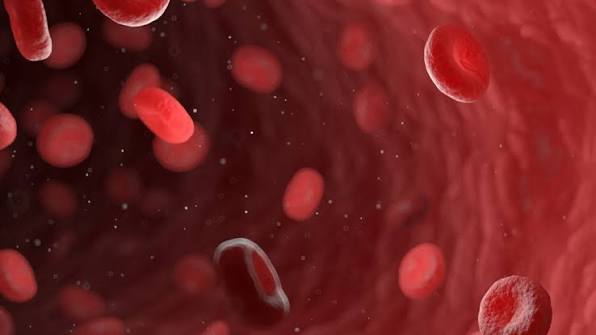
People who have suffered a serious heart attack were found to have higher levels of tiny plastic particles in their blood than those with other heart conditions.
According to a new study published in the European Heart Journal, smokers and people who are exposed to high levels of air pollution are more likely to have these plastic particles in their blood.
While the research does not prove that plastics cause heart attacks, it adds to growing evidence that environmental pollution could affect heart health.
Microplastics are plastic pieces smaller than 5 millimetres, while nanoplastics are even smaller. These particles are now found almost everywhere, including in the air, drinking water and food.
The study involved 61 patients in Italy who were diagnosed with either a serious heart attack, chronic ischemic heart disease (reduced blood flow to the heart), or had normal heart arteries.
Researchers collected blood samples from the arteries supplying the heart as well as from other parts of the body. They also looked at the patients' smoking history and their exposure to air pollution over the previous two years.
The results showed that microplastics and nanoplastics were found in:
. 84% of patients who had a heart attack
. 40% of patients with chronic heart disease
. 32% of people with normal coronary arteries
Heart attack patients also had a wider range of plastic types in their blood. The most common was polyethylene, a plastic widely used in packaging, bottles and many household products.
Dr Pasquale Paolisso, the study's first author from Sapienza University of Rome, said scientists have recently started finding these tiny plastic particles in different parts of the human body, but
little was known about whether they were present in the blood vessels supplying the heart.
little was known about whether they were present in the blood vessels supplying the heart.
The researchers found a strong link between lifestyle and environmental exposure.
People who smoked were six times more likely to have microplastics in their blood than non-smokers. Patients who were exposed to higher levels of fine air pollution (PM2.5) were also more likely to have plastic particles in their bloodstream.
In fact, every patient who both smoked and lived in areas with higher air pollution had microplastics in their blood. In comparison, only 12.5% of people who neither smoked nor had high pollution exposure showed plastic particles.
Professor Emanuele Barbato, who led the research, said smoking may allow tiny plastic particles to enter the bloodstream through the lungs, and air pollution could have a similar effect.
He stressed that the findings show only an association, not a direct cause-and-effect relationship.
"These findings do not prove that microplastics cause heart attacks, but they reveal a strong association between environmental exposures, microplastics in the blood and cardiovascular disease," he said.
Previous studies have already detected microplastics in the blood, lungs, placenta and breast milk.
Plastic particles have also been found inside fatty deposits in arteries, where they were linked to a higher risk of heart attack and stroke.
The researchers believe these particles contribute to inflammation and damage to blood vessels, although larger studies are needed to confirm this.
They say reducing smoking, improving air quality and cutting plastic pollution may not only help the environment but could also protect heart health in the long run.
No Comments For This Post, Be first to write a Comment.
Most viewed from Health









Todays Epaper

English Weekly


AIMIM News





Latest Urdu News
Most Viewed
Aug 02, 2026
Should India introduce stricter laws against AI-generated fake videos and images?
Like Us
Home
About Us
Advertise With Us
All Polls
Epaper Archives
Privacy Policy
Contact Us
Download Etemaad App
© 2026 Etemaad Daily News, All Rights Reserved.