




Paracetamol during pregnancy not linked to autism: Study
Sat 18 Apr 2026, 01:22:47
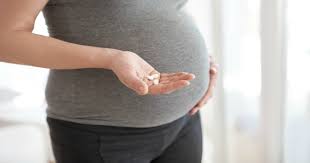
A large new study has found no link between the common painkiller paracetamol and autism, countering recent public remarks by US President Donald Trump that sparked concern among pregnant women.
Speaking at the White House in September 2025, Trump urged women to avoid taking Tylenol, the brand name for paracetamol in the US, also known as acetaminophen, throughout pregnancy, warning it was "not good."
His comments drew sharp criticism from doctors and scientists, who said the claims were not backed by strong evidence.
Now, a nationwide study from Denmark, published in JAMA Pediatrics, offers reassuring data.
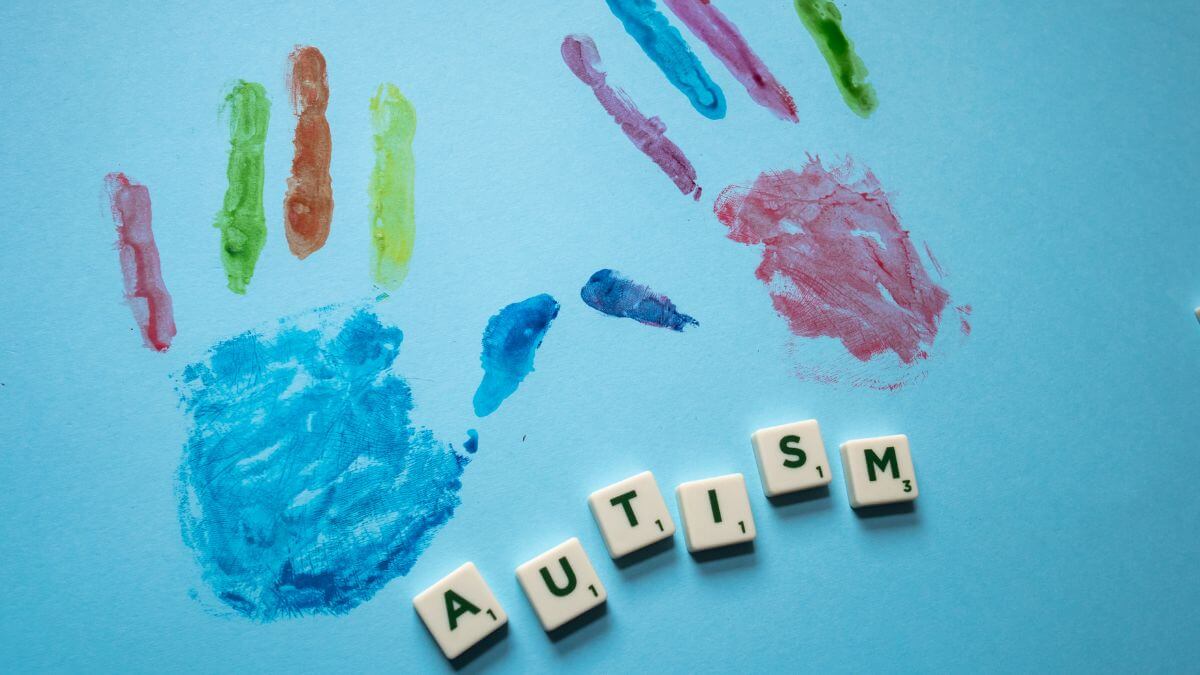
Autism Spectrum Disorder is a developmental condition that affects how a person communicates, interacts, and experiences the world. It often includes differences in social behaviour, speech, and sensory sensitivity. Symptoms vary widely, and while it begins in early childhood, many people live independent, fulfilling lives with support.
Researchers analysed health records of more than 1.5 million children born between 1997 and 2022. Of these, over 31,000 were exposed to paracetamol in the womb.
The findings showed that 1.8% of children exposed to the drug were later diagnosed with autism, compared to 3% among those who were not
exposed.
exposed.
After accounting for factors such as dosage and the stage of pregnancy when the drug was taken, researchers found no increased risk linked to paracetamol use.
The study adds to a long-running and often conflicting body of research on the issue.
A 2024 Swedish study suggested a possible association between prenatal exposure to acetaminophen and a slightly higher risk of autism or attention-deficit hyperactivity disorder (ADHD).
However, researchers have pointed out that such findings may be influenced by confounding factors, including underlying maternal health conditions.
Regulatory authorities have also taken a cautious stance. The U.S. Food and Drug Administration recently initiated a review to update safety labelling for acetaminophen, noting a possible, but unproven, link with neurodevelopmental conditions.
Meanwhile, US Health Secretary Robert F. Kennedy Jr. has said there is no definitive evidence establishing that paracetamol causes autism, though he advised cautious use.
Medical experts continue to recommend that pregnant women consult their doctors before taking any medication.
Paracetamol remains one of the most commonly prescribed pain relievers during pregnancy, particularly when used at the lowest effective dose for the shortest duration.
No Comments For This Post, Be first to write a Comment.
Most viewed from Health





.jpg)




Todays Epaper

English Weekly


AIMIM News







Latest Urdu News
Most Viewed
May 26, 2020
Which cricket teams will reach the IPL 2026 finals?
Latest Videos View All
.jpg)
.jpg)
.jpg)



Like Us
Home
About Us
Advertise With Us
All Polls
Epaper Archives
Privacy Policy
Contact Us
Download Etemaad App
© 2026 Etemaad Daily News, All Rights Reserved.