




Over 80% of packaged foods in India have high levels of artificial flavours, sugar
Tue 19 May 2026, 00:47:49
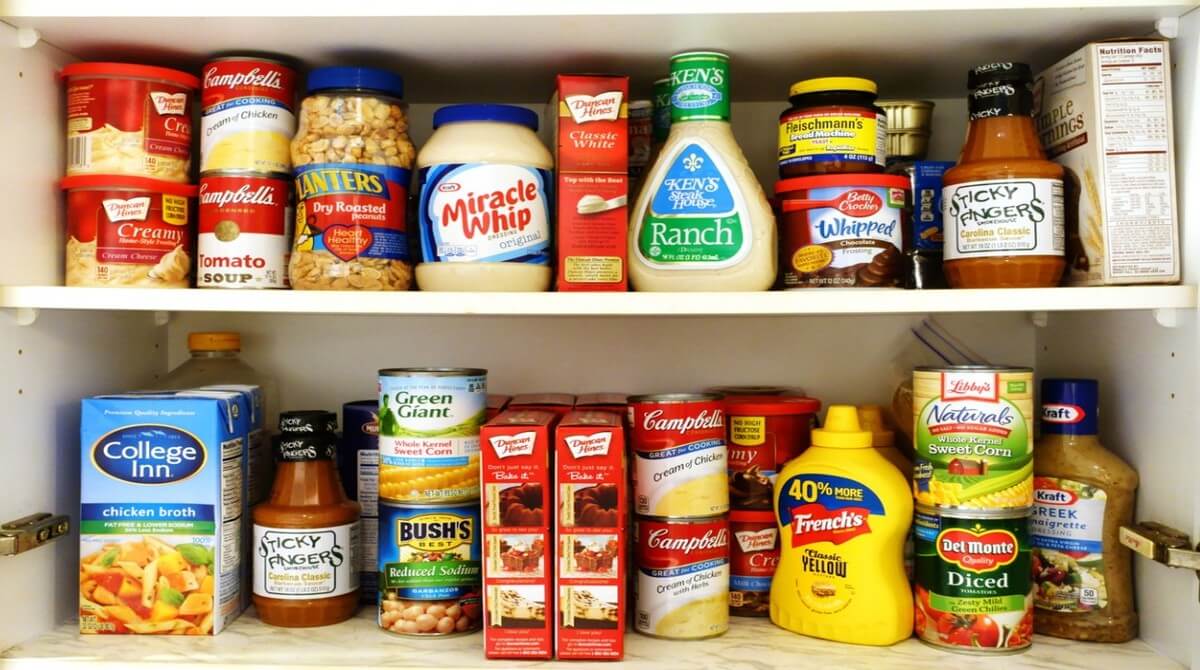
Artificial flavours, colours and additives are present in a large number of packaged foods sold in India, including biscuits, breakfast cereals, cold drinks and instant meals, according to a new analysis that examined more than 23,000 food and beverage products across the country.
The report, released by NatFirst and its consumer nutrition platform TruthIn, analysed packaged food labels across more than 25 categories using AI-driven tools.
Researchers found that artificial additives were repeatedly used across several products that are commonly consumed every day, including by children.
Among the biggest findings, more than 80% of packaged biscuits and cookies were found to contain artificial flavours and palm oil.
The report also found:
. Around 60?70% of sweetened breakfast products contained artificial additives.
. About 80% of extruded snacks were high in sodium.
. Around 80% of chocolates and desserts exceeded added sugar thresholds and were high in saturated fat.
. Nearly 78% of ready-to-drink dairy beverages were high in added sugar.
. About 98% of carbonated drinks contained artificial additives.
. Around 90% of convenience meals were high in sodium.
. Nearly 96% of convenience meals contained artificial
additives.
additives.
?The data is crystal clear and the patterns are consistent. Across multiple categories a shared set of HFSS ingredients, artificial flavours and colours appear repeatedly,? said Dr. Aman Sheikh Basheer, Co-founder & Chief Medical Officer, TruthIn.
?Many of the products are consumed daily, often by children, and some are even frequently positioned as healthy or suitable for regular consumption,? he added.
The findings come at a time when India is witnessing a sharp rise in the consumption of ultra-processed foods. According to the report, processed packaged foods and beverages now account for one of the largest shares of household food spending in both rural and urban India.
Researchers noted that while many consumers check food labels, very few actually read ingredient lists carefully.
A study by the National Institute of Nutrition cited in the report found that although 75.4% of consumers said they read food labels, only 14.7% checked ingredient lists. Most people focused mainly on expiry dates and brand names.
The experts have increasingly raised concerns over the long-term health impact of diets high in ultra-processed foods.
These foods are often linked to obesity, diabetes and heart disease because of their high salt, sugar and unhealthy fat content, along with the use of additives and flavouring agents.
No Comments For This Post, Be first to write a Comment.
Most viewed from Health









Todays Epaper

English Weekly


AIMIM News





Latest Urdu News
Most Viewed
Aug 02, 2026
Should UPI payments remain completely free for all transactions?
Like Us
Home
About Us
Advertise With Us
All Polls
Epaper Archives
Privacy Policy
Contact Us
Download Etemaad App
© 2026 Etemaad Daily News, All Rights Reserved.