




Obesity isn't just a lifestyle issue but a chronic disease: Experts
Tue 24 Feb 2026, 01:44:41
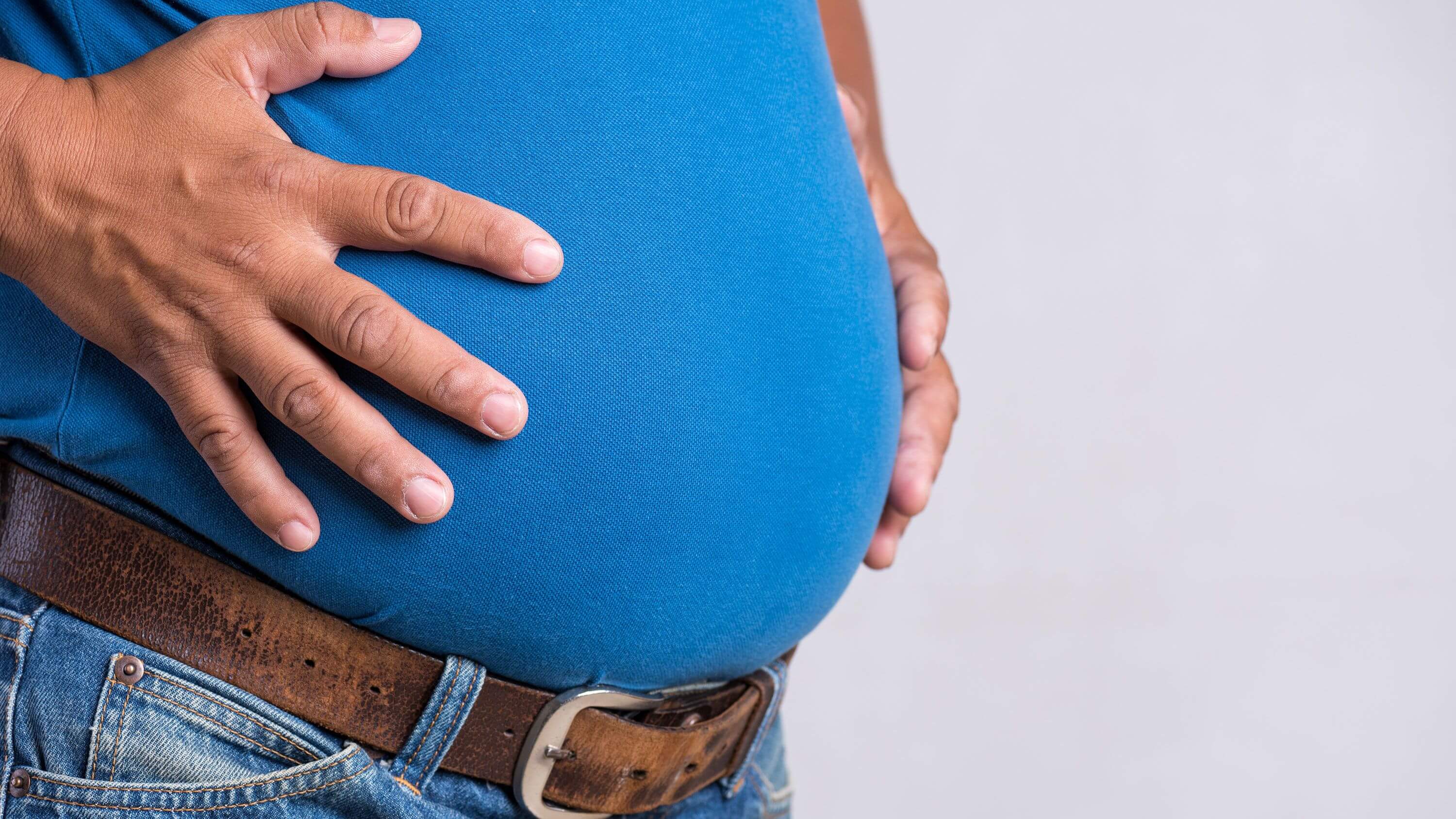
India is staring at a major public health crisis. A new white paper has warned that obesity cases in the country are set to rise dramatically by 2050, placing an enormous burden on the healthcare system.
Medical experts are now calling for a fundamental shift in how obesity is understood, diagnosed and treated.
For years, obesity has often been labelled as the result of poor lifestyle choices, unhealthy eating, lack of exercise or lack of discipline. But health professionals argue that this perception is outdated and harmful.
According to them, obesity is a complex, chronic disease influenced by genetics, hormones, metabolism and environmental factors, not simply personal behaviour.
The data is worrying. By 2050, an estimated 17.4% of women and 12.1% of men in India are expected to be living with obesity.
Even more concerning is the rapid rise in childhood obesity, which experts say could lead to early-onset diabetes, heart disease and other serious health conditions.
OBESITY MUST BE RECOGNISED AS A CHRONIC DISEASE
Medical professionals are urging policymakers and the public to stop viewing obesity as a “lifestyle problem.”
One expert in the report strongly stated, “Obesity is not a lazy person's problem,” highlighting that biological and genetic factors play a significant role in weight gain and fat storage.
Dr Satish Koul, Senior Director & Unit Head, of Internal Medicine at Fortis Memorial Research Institute (FMRI) in Gurugram, explains that obesity behaves like other chronic diseases, such as diabetes or hypertension. It involves long-term changes in how the body regulates hunger, metabolism and fat storage.
Once established, it is difficult to reverse without medical intervention and long-term management.
Classifying obesity as a chronic disease would change how it is treated, shifting the focus from blame to medical care, early diagnosis and structured treatment plans.
MEDICAL TREATMENTS SHOW PROMISE, BUT COST
IS A BARRIER
IS A BARRIER
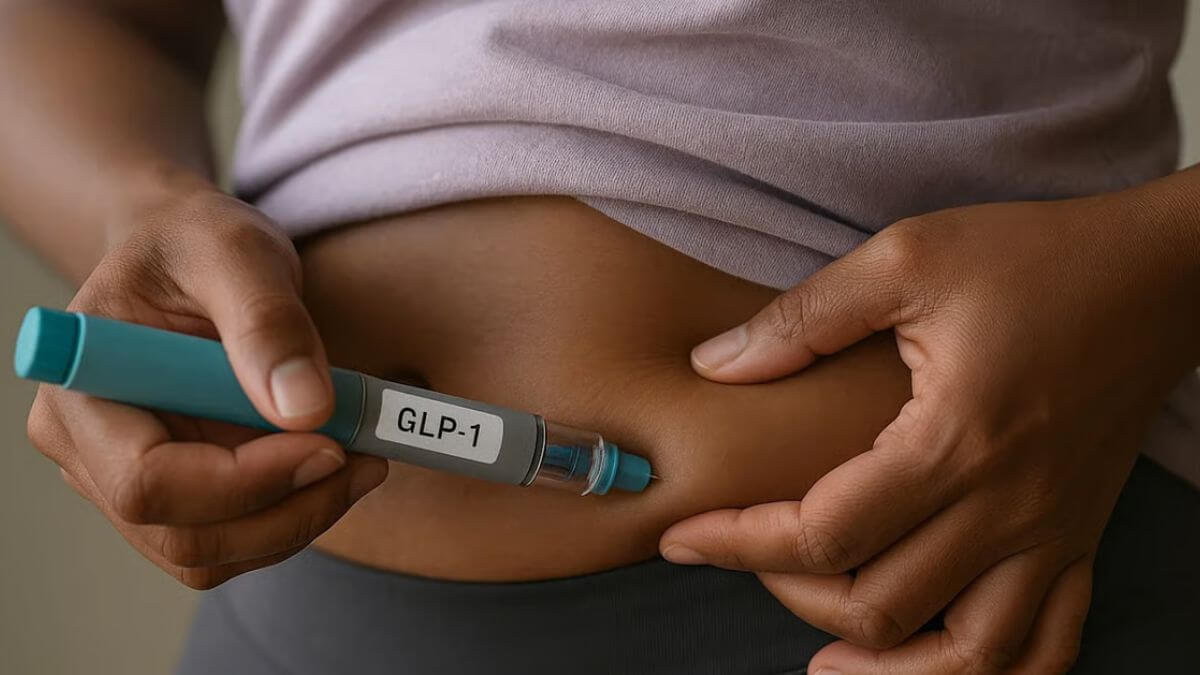
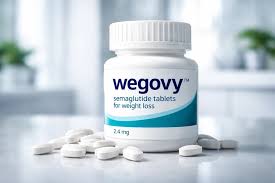
In recent years, new medical therapies have emerged to help manage obesity. Among them are GLP-1 receptor agonist medications that regulate appetite and blood sugar levels.
These drugs have shown promising results in helping patients achieve sustained weight loss and improve metabolic health.
However, their high cost remains a major barrier for many patients in India.
Doctors say that if obesity is officially recognised as a chronic disease, it may open doors for better insurance coverage, subsidies and structured national treatment programmes.
WHY PERCEPTION NEEDS TO CHANGE
Experts believe that stigma remains one of the biggest obstacles in tackling obesity. When obesity is seen purely as a lifestyle issue, patients often face judgment instead of support.
This stigma can discourage individuals from seeking medical help. It also oversimplifies a complex health condition.
Medical professionals are now calling for:
. National awareness campaigns
. Policy reforms
. School-based prevention programmes
. Affordable treatment options
. Early screening and diagnosis
They stress that obesity is not a matter of willpower alone. It is influenced by genetics, biology, the environment and social factors.
India is at a critical point. If current trends continue, millions more could face obesity-related health complications by 2050. Experts warn that immediate action is needed to prevent long-term damage to both public health and the economy.
Recognising obesity as a chronic disease may be the first step in building a stronger, more effective response.
The message from health experts is clear: obesity is not just about weight, it is about overall health, long-term disease risk and the future burden on India’s healthcare system.
Without urgent intervention, the numbers would only rise.
No Comments For This Post, Be first to write a Comment.
Most viewed from Health



.jpg)




Todays Epaper

English Weekly


AIMIM News

Latest Urdu News
Most Viewed
May 26, 2020
Which cricket teams will reach the IPL 2026 finals?
Latest Videos View All
.jpg)
.jpg)
.jpg)

Like Us
Home
About Us
Advertise With Us
All Polls
Epaper Archives
Privacy Policy
Contact Us
Download Etemaad App
© 2026 Etemaad Daily News, All Rights Reserved.