




Norovirus outbreak on the Caribbean cruise ship leaves over 100 ill
Tue 12 May 2026, 01:11:46
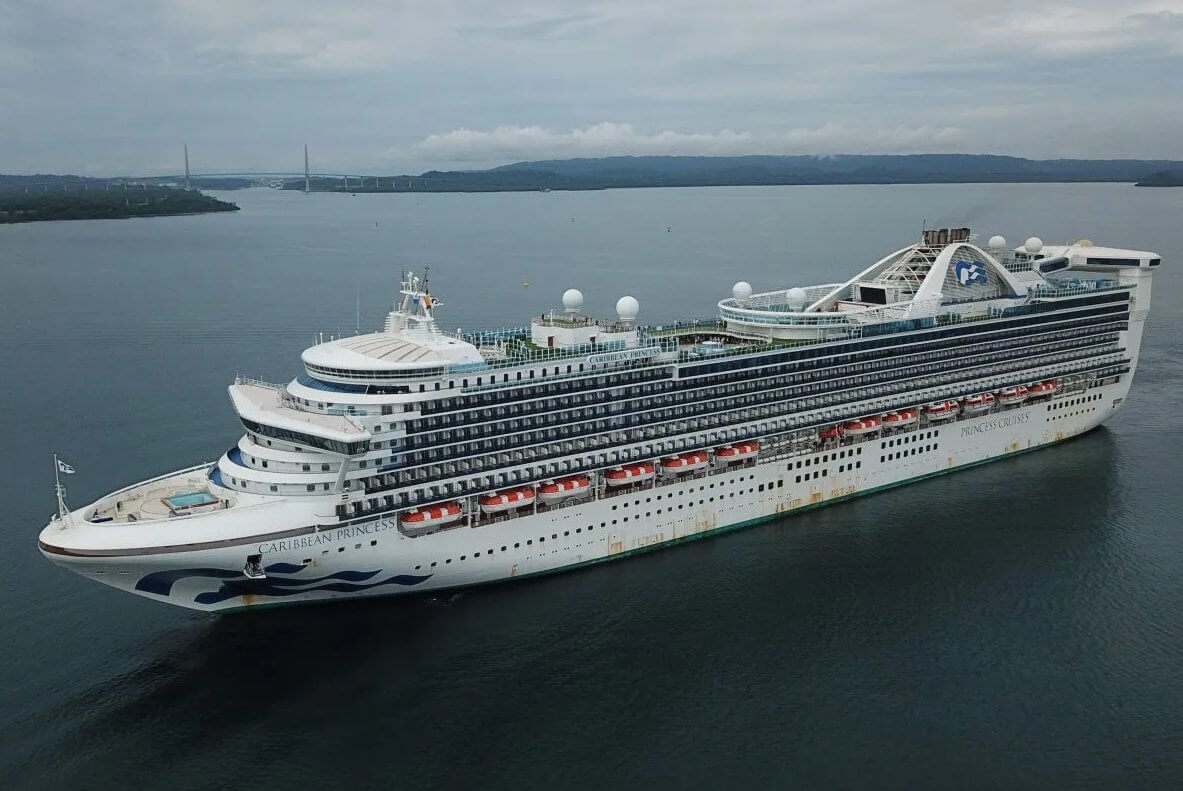
A fresh norovirus outbreak aboard a Caribbean cruise ship has once again highlighted the vulnerability of closed travel environments to highly contagious stomach infections. More than 100 passengers and crew members reportedly fell ill during the voyage that departed from Florida, reviving concerns about sanitation standards and disease control on cruise liners.
The latest episode unfolds even as health agencies from around the world, led by the World Health Organisation (WHO) have scrambled to contain the hantavirus outbreak on board MV Hondius in the Atlantic Ocean.
According to reports, those affected on the Caribbean Princess experienced symptoms commonly associated with norovirus, including vomiting, diarrhoea, nausea and stomach cramps.
While most patients recovered within a few days, the incident has drawn renewed attention to how quickly such infections can spread in crowded spaces at sea.
Norovirus, often referred to as the ?winter vomiting bug,? is one of the leading causes of acute gastroenteritis worldwide.
It belongs to the Caliciviridae family of viruses and is known for spreading rapidly through contaminated food, water, surfaces and close human contact. The virus is remarkably resilient and can survive on surfaces for extended periods, making outbreaks particularly difficult to contain once transmission begins.
Cruise ships are especially susceptible to norovirus outbreaks because they bring together thousands of people in enclosed settings where passengers share dining areas, recreational facilities, restrooms and cabins.
Even with strict cleaning protocols, a single infected individual can unknowingly spread the virus to dozens of others.
A scientist from the Indian Council of Medical Research ? National Institute of Virology (ICMR-NIV) explained that outbreaks often intensify when hygiene measures are compromised or when contaminated food or water enters the chain of consumption.
There is strong scientific evidence linking norovirus transmission with unsafe drinking water, inadequate sanitation and poor hygiene practices.
The virus is considered a major waterborne pathogen and has been responsible for numerous outbreaks globally.
Since infected individuals can continue shedding the virus even after symptoms disappear, containment becomes even more challenging in densely populated environments like cruise ships.
The biology of norovirus also explains why it spreads so effectively. These viruses contain a single-stranded RNA genome enclosed in a non-enveloped capsid structure, allowing them to remain stable in harsh environmental conditions.
Scientists have identified at least seven genogroups of
noroviruses, labelled GI to GVII, with genotype GII.4 being the most common cause of human infection worldwide.
noroviruses, labelled GI to GVII, with genotype GII.4 being the most common cause of human infection worldwide.
Although humans remain the only confirmed reservoir for strains that infect people, traces of human norovirus genogroups have also been detected in animals such as pigs, dogs and cattle, raising questions about possible zoonotic transmission pathways in the future.
Symptoms usually appear suddenly and can be severe despite the illness often being short-lived. Vomiting is frequently intense and sometimes projectile, while diarrhoea and nausea are also common. Fever is less frequently reported. In otherwise healthy adults, symptoms generally last between 24 and 72 hours before subsiding.
However, dehydration remains the biggest concern, especially among elderly passengers, young children and individuals with weakened immune systems.
Severe cases occasionally require hospitalisation, and deaths linked to complications have been documented, particularly among older adults.
One of the more troubling aspects of norovirus is the role played by asymptomatic carriers. Research suggests that around 7% of people may carry the virus without showing symptoms, while during outbreak situations that number may rise significantly.
This means individuals who appear healthy can still contaminate surfaces or food and unknowingly infect others. On a cruise ship, where interactions are constant and communal dining is common, asymptomatic spread can accelerate outbreaks rapidly.
Globally, noroviruses are estimated to account for roughly 16 percent of all acute gastroenteritis cases. Public health agencies have repeatedly warned that outbreaks are likely to continue unless hygiene standards are rigorously maintained.
Frequent handwashing with soap and water remains one of the most effective preventive measures, particularly because alcohol-based sanitisers are sometimes less effective against norovirus particles. Proper disinfection of contaminated surfaces and immediate isolation of symptomatic individuals are also critical in limiting transmission.
Cruise operators typically activate enhanced sanitation procedures during outbreaks, including deep-cleaning cabins, isolating sick passengers and increasing monitoring of food handling practices. Yet the recurring nature of these incidents suggests that preventing norovirus entirely remains extremely difficult.
Modern cruise ships operate like floating cities, and the high turnover of passengers from different regions further complicates disease surveillance.
The recent Caribbean outbreak serves as another reminder that infectious diseases can spread swiftly in interconnected travel settings despite advances in public health management.
No Comments For This Post, Be first to write a Comment.
Most viewed from Health










Todays Epaper

English Weekly


AIMIM News





Latest Urdu News
Most Viewed
Aug 02, 2026
Should UPI payments remain completely free for all transactions?
Like Us
Home
About Us
Advertise With Us
All Polls
Epaper Archives
Privacy Policy
Contact Us
Download Etemaad App
© 2026 Etemaad Daily News, All Rights Reserved.