




NMC tightens social media rules for doctors and hospitals
Thu 08 Oct 2026, 00:22:03
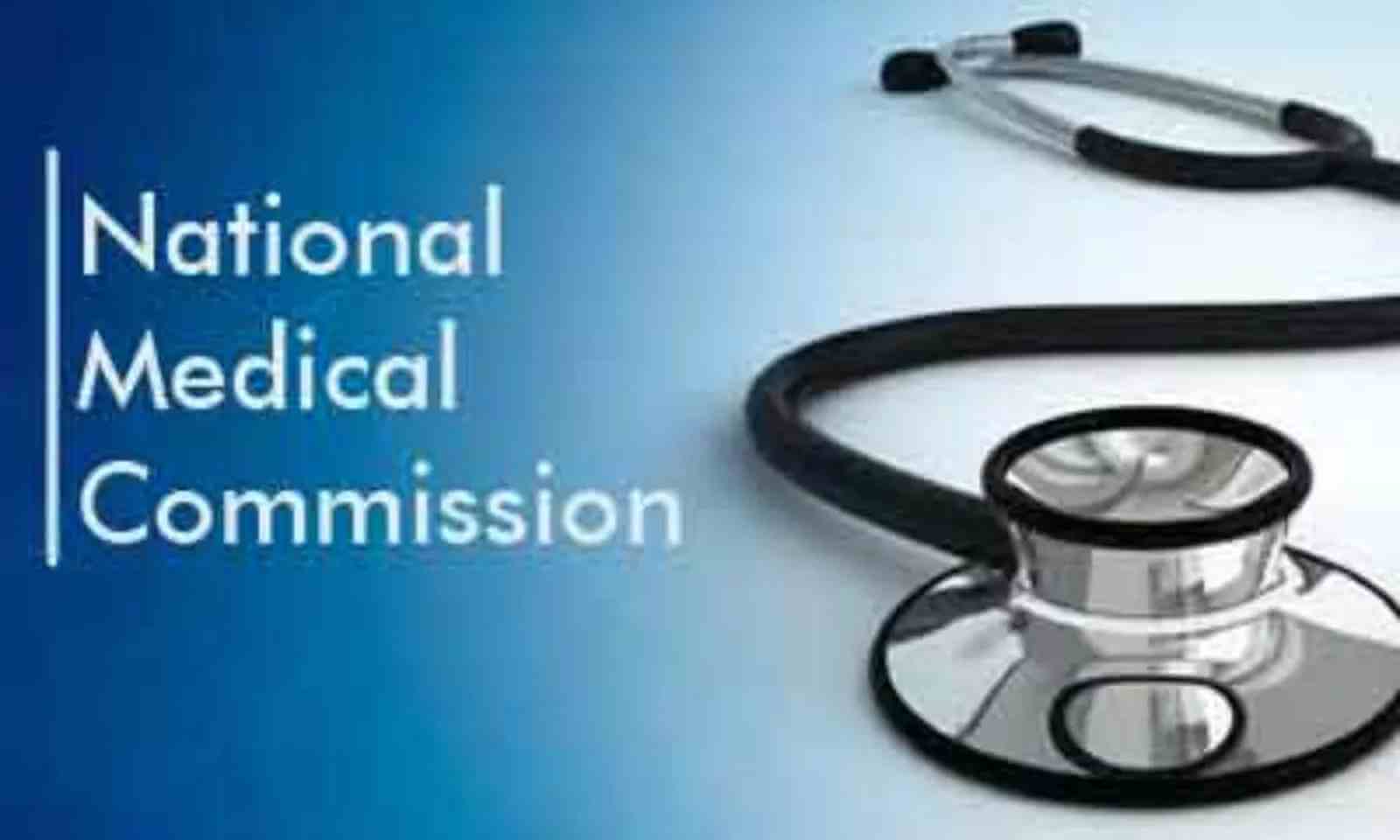
Doctors and hospitals can no longer treat social media as a free-for-all for patient acquisition, according to new rules issued by the National Medical Commission (NMC), which have brought Instagram, influencer marketing, sponsored posts and even AI-generated promotions under the medical advertising framework.
The new Guidelines on Ethical Advertising and Public Communication by Hospitals/Medical Institutions and Registered Medical Practitioners by the NMC, issued on October 6, have come into immediate effect.
The rules bar doctors from using patient testimonials, paid or fake reviews, misleading claims, guaranteed treatment outcomes and promotional patient stories to market medical services.
The move comes as doctors increasingly use Instagram, YouTube and other platforms not just for health education but also to build personal brands and attract patients. The NMC has now drawn a sharper line between public health communication and commercial promotion.
Under the new framework, advertising has been defined broadly. It includes communication on websites, social media, messaging platforms, podcasts, influencer campaigns, sponsored posts and AI-generated or AI-assisted promotional material.
The regulator has made clear that doctors cannot claim that their treatment, facility or expertise is superior to others unless such claims can be substantiated. Claims suggesting guaranteed outcomes or encouraging unnecessary investigations or procedures are also prohibited.
One of the biggest changes for social-media-active doctors is the explicit ban on soliciting or sharing patient testimonials, recommendations, endorsements and reviews for professional promotion.
Doctors and hospitals are also prohibited from buying, procuring, manipulating or publishing fake, paid or misleading ratings and reviews.
That directly affects a common digital marketing practice in which patient feedback, recovery stories or five-star ratings are prominently displayed on Instagram pages, websites and other platforms to attract prospective patients.
The NMC has also
tightened rules around patient photographs, videos, clinical images and treatment stories. Consent alone does not make an otherwise prohibited promotional practice acceptable.
tightened rules around patient photographs, videos, clinical images and treatment stories. Consent alone does not make an otherwise prohibited promotional practice acceptable.
Before-and-after pictures, success stories and promotional patient narratives cannot be used simply because a patient has agreed to them. Where consent is legally required, it must be specific, informed, voluntary, documented and verifiable.
The guidelines also place responsibility on doctors and hospitals for promotions carried out through third parties. Hiring an advertising agency, influencer or digital marketing company does not automatically shield a healthcare provider from responsibility if the content was commissioned, sponsored, authorised or knowingly permitted.
The NMC has specifically brought AI-generated and AI-assisted promotional communication within the advertising framework.
This is significant as healthcare marketing increasingly uses AI-generated videos, avatars, scripts, images and other content to promote doctors, hospitals and treatments. If such content has a promotional character, it can fall within the new rules.
Yet, the NMC has not banned doctors from using social media. Health education, public-health campaigns, academic discussions and other factual educational content remain permissible, provided they do not become disguised advertisements or patient-solicitation exercises.
Doctors publishing electronic-media content must also disclose their name, qualifications, registration status and state medical register or national medical Register number. Hospitals must provide relevant details of doctors associated with their posts.
The new rules build on the NMC’s earlier position that doctors should not solicit patients through social media, purchase likes or followers, seek higher ratings through paid services or share patient testimonials and impressive treatment outcomes.
Also, the broader principle remains that medical communication must be factual, verifiable and professional rather than designed to exploit a patient's vulnerability or lack of medical knowledge.
No Comments For This Post, Be first to write a Comment.
Most viewed from Health





Todays Epaper

English Weekly


AIMIM News
Latest Urdu News
Most Viewed
Aug 02, 2026
Should UPI payments remain completely free for all transactions?
Like Us
Home
About Us
Advertise With Us
All Polls
Epaper Archives
Privacy Policy
Contact Us
Download Etemaad App
© 2026 Etemaad Daily News, All Rights Reserved.