




New cancer drug shows promise, made brain tumour almost disappear in 5 days
Wed 01 Apr 2026, 00:17:09
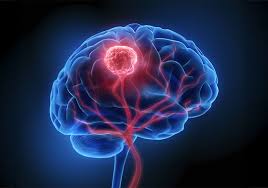
A new CAR-T cell therapy showed encouraging results in treating glioblastoma, a highly aggressive form of brain cancer.
Researchers from the Mass General Cancer Center, US, reported significant tumour reductions in the first three patients treated in a phase 1 clinical trial called INCIPIENT, which took place in 2024.
The study, published in The New England Journal of Medicine, evaluated a drug called CARv3-TEAM-E T cell therapy designed for patients with recurrent glioblastoma.
Just days after a single infusion, patients experienced notable tumour shrinkage, including one case of near-complete tumour regression.
CAR-T therapy, which uses a patient’s own modified immune cells to fight cancer, has been successful in blood cancers but faces challenges in solid tumours like glioblastoma.
This new combined approach offers a promising direction to overcome those hurdles.
This approach combines CAR-T therapy with bispecific antibodies called T-cell engaging antibody molecules (TEAMs).
It aims to address the challenge of tumour heterogeneity by targeting different cancer cell populations within glioblastoma. The therapy is directly injected into the brain to maximise its effect.
The
trial involved three patients aged between 57 and 74, all of whom had previously undergone standard treatments including radiation and chemotherapy.
trial involved three patients aged between 57 and 74, all of whom had previously undergone standard treatments including radiation and chemotherapy.
One patient showed a rapid but temporary tumour regression, another had a sustained reduction of over 60 per cent lasting more than six months, and the third exhibited near-complete tumour shrinkage within 5 days.
Patients tolerated the treatment well, with expected side effects such as fever and altered mental status shortly after infusion.
All were monitored in hospital before being discharged. Despite initial positive responses, tumour progression eventually occurred in all cases, partly due to the limited persistence of the CAR-TEAM cells.
TAKING THE RESEARCH AHEAD
The research team is now exploring strategies to extend the durability of the therapy’s effects, including multiple infusions or preconditioning with chemotherapy.
The study reflects a collaborative effort led by experts at Massachusetts General Hospital to translate laboratory discoveries into clinical treatments.
While this therapy has not yet cured patients, the researchers emphasise that these early results mark important progress and hope to improve outcomes for those with this difficult-to-treat brain cancer.
No Comments For This Post, Be first to write a Comment.
Most viewed from Health





Todays Epaper

English Weekly


AIMIM News




Latest Urdu News
Most Viewed
May 26, 2020
Which cricket team is your favourite to win the T20 World Cup 2026?
Latest Videos View All
.jpg)
.jpg)
.jpg)


Like Us
Home
About Us
Advertise With Us
All Polls
Epaper Archives
Privacy Policy
Contact Us
Download Etemaad App
© 2026 Etemaad Daily News, All Rights Reserved.